March 30, 2026 Mahender Mahender
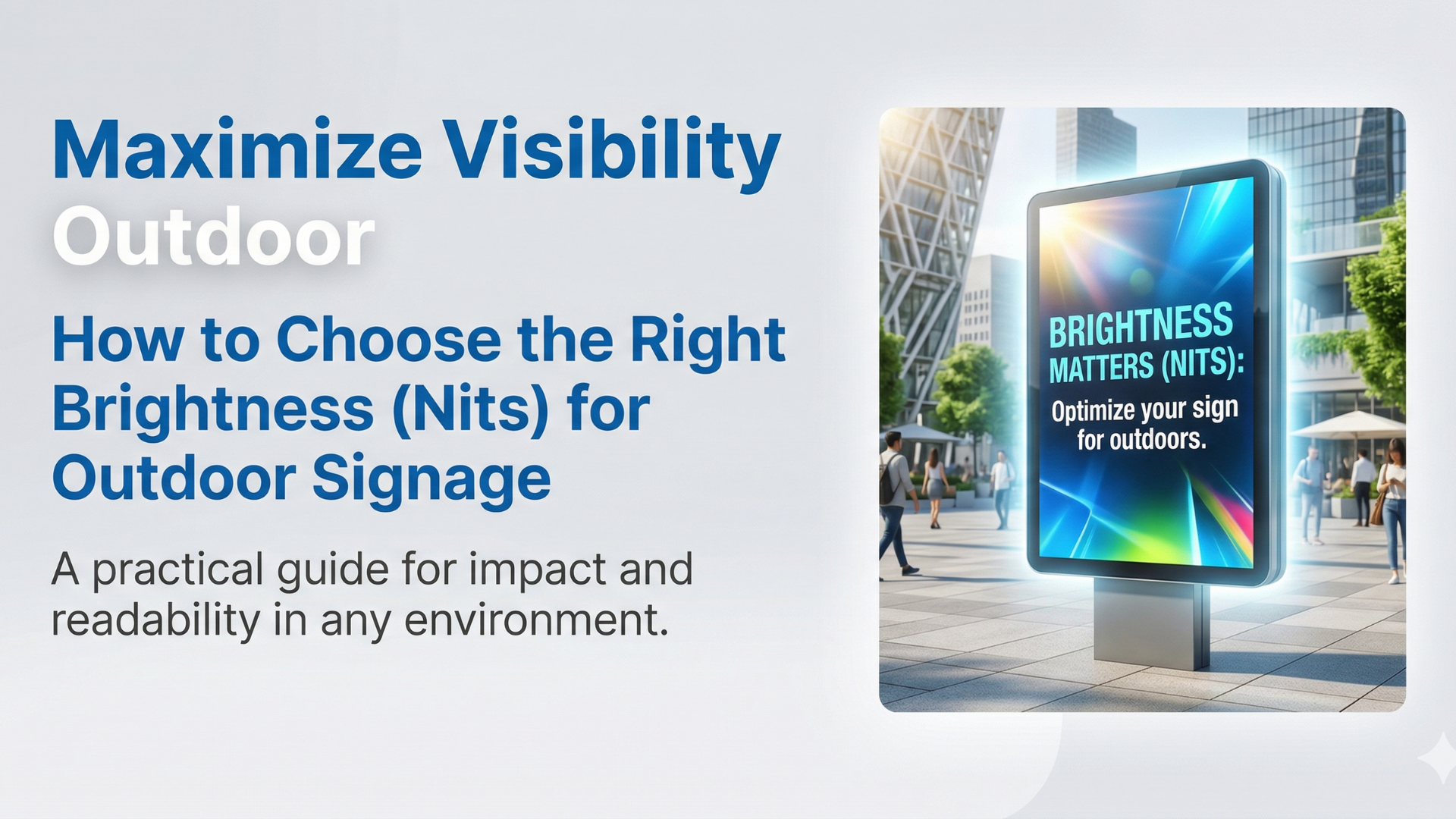
How to Choose the Right Brightness (Nits) for Outdoor Signage
Introduction
Investing in outdoor digital signage is one of the most effective ways to capture foot traffic and boost brand awareness. But there is a catch: the sun.
If you put a standard TV screen outside, the sunlight will completely wash out your message. To compete with ambient natural light, you need a commercial display with the correct brightness rating, measured in nits.
But how bright is bright enough? In this guide, we will break down exactly how to choose the right brightness nits for outdoor signage so your investment remains visible, vibrant, and effective all year round.
When shopping for digital signage, "nits" is the most common metric you will encounter.
A nit is a unit of measurement for luminance. Specifically, one nit is equal to one candela per square meter. To put it simply, one nit represents the light of one candle shining over a one-meter-wide surface.
Standard laptop screen: 200 to 300 nits.
Premium smartphone: 800 to 1,200 nits.
Outdoor digital signage: 2,500 to 10,000+ nits.
The higher the nit count, the brighter the screen.
Our eyes adjust to the brightest light source in our environment. Outside during the day, that source is the sun.
If your digital display isn't bright enough to cut through the ambient light, the screen will look black or highly reflective. This phenomenon is known as "screen washout."
Choosing the right brightness prevents washout, ensures your colors stay accurate, and guarantees that your text remains readable to passing customers, regardless of the weather.
There is no one-size-fits-all answer for display brightness. The right choice depends entirely on where your sign is placed. Here is a breakdown of the standard tiers:
Even if your display is inside your store, placing it directly behind a glass window requires high brightness. Standard indoor lighting only requires about 300 to 500 nits, but a window display fights both outdoor ambient light and glass glare.
Best for: Retail storefronts, real estate office windows, and fast-food indoor window promotions.
Recommendation: Aim for a minimum of 2,500 nits if the window receives direct afternoon sunlight.
If your display is physically outside but protected by an awning, canopy, or transit shelter, it won't face the full brunt of the sun. However, it still has to compete with high outdoor ambient light levels.
Best for: Drive-thru menu boards under canopies, bus stop shelters, and outdoor mall directories.
Recommendation: 3,000 to 4,000 nits provides a perfect balance of visibility and energy efficiency for shaded outdoor areas.
If your digital signage faces the open sky and catches direct, unshaded sunlight, you need an ultra-high brightness display. Anything less will become an unreadable mirror.
Best for: Highway billboards, uncovered drive-thru menus, and sports stadium scoreboards.
Recommendation: Never go below 5,000 nits for direct sun. Many modern outdoor LED boards now push 7,000 to 10,000 nits to guarantee crystal-clear daytime visibility.
While nits are the primary indicator of brightness, they aren't the only feature you need for a successful outdoor display. Consider these factors:
Ambient Light Sensors: The sun goes down, and so should your screen's brightness. A 5,000-nit screen at midnight will blind drivers and waste electricity. Ensure your display has auto-dimming sensors.
Anti-Glare Glass: High brightness paired with anti-reflective glass significantly reduces mirror-like reflections on LCD displays.
Contrast Ratio: Brightness is about light, but contrast is about depth. A high contrast ratio ensures deep blacks and vivid colors, making text easier to read.
Thermal Management: High brightness creates high heat. True outdoor displays feature internal cooling fans or liquid cooling to prevent the screen from blacking out under the sun's heat (isotropic blackout).
Choosing the right brightness nits for outdoor signage is the difference between a high-converting advertisement and a wasted investment. Always evaluate your installation environment first. Remember: 2,500 nits for windows, up to 5,000 nits for shade, and 5,000+ nits for direct, harsh sunlight.
Stop guessing and start engaging. Our team of AV experts can help you select the exact high-brightness digital signage for your specific location and budget.
Nits are a unit of measurement used to indicate the brightness of a digital display. Higher nit levels mean a brighter screen, making content easier to view in environments with strong ambient light or direct sunlight. Brightness is a critical factor when selecting digital signage for indoor and outdoor applications.
Outdoor digital signage typically requires between 2,500 and 5,000+ nits depending on the installation environment. Displays in shaded outdoor areas may perform well at lower brightness levels, while screens exposed to direct sunlight generally require higher brightness for optimal visibility.
Yes, 2500 nits can be sufficient for semi-outdoor locations and shaded outdoor environments. However, for areas with prolonged direct sunlight exposure, a higher brightness level is usually recommended to ensure clear visibility throughout the day.
For outdoor displays installed in direct sunlight, brightness levels of 4,000 to 5,000+ nits are generally recommended. High-brightness displays help maintain image clarity, readability, and visual impact even during peak daylight hours.
Yes, displays with higher brightness levels generally consume more power than lower-brightness screens. However, modern commercial displays use advanced technologies to balance energy efficiency with high visibility and performance.
A 3000-nit display is suitable for many outdoor and semi-outdoor environments, while a 5000-nit display offers significantly better visibility in direct sunlight. Higher brightness levels provide stronger visual impact and improved readability in challenging lighting conditions.
The best outdoor display for retail stores depends on location, viewing distance, and ambient lighting conditions. High-brightness digital signage displays and outdoor LED screens are commonly used to attract customer attention and deliver effective advertising messages.
Yes, commercial outdoor LED displays are specifically designed to perform in bright sunlight. High-brightness LED technology ensures excellent visibility, vibrant colors, and clear content presentation even in demanding outdoor environments.
Screen brightness directly impacts how easily content can be viewed. Displays with insufficient brightness may appear washed out in bright environments, while properly selected brightness levels ensure clear, readable, and engaging content for viewers.
For outdoor advertising applications, brightness levels between 3,500 and 5,000+ nits are commonly recommended. The ideal brightness depends on the installation location, sunlight exposure, viewing distance, and operational requirements.
Author Note: By Elactree Technical Team, Audio-Visual Hardware Specialist. With over a decade of experience in commercial display integrations, our team helps businesses select the exact hardware needed to maximize visibility and ROI.

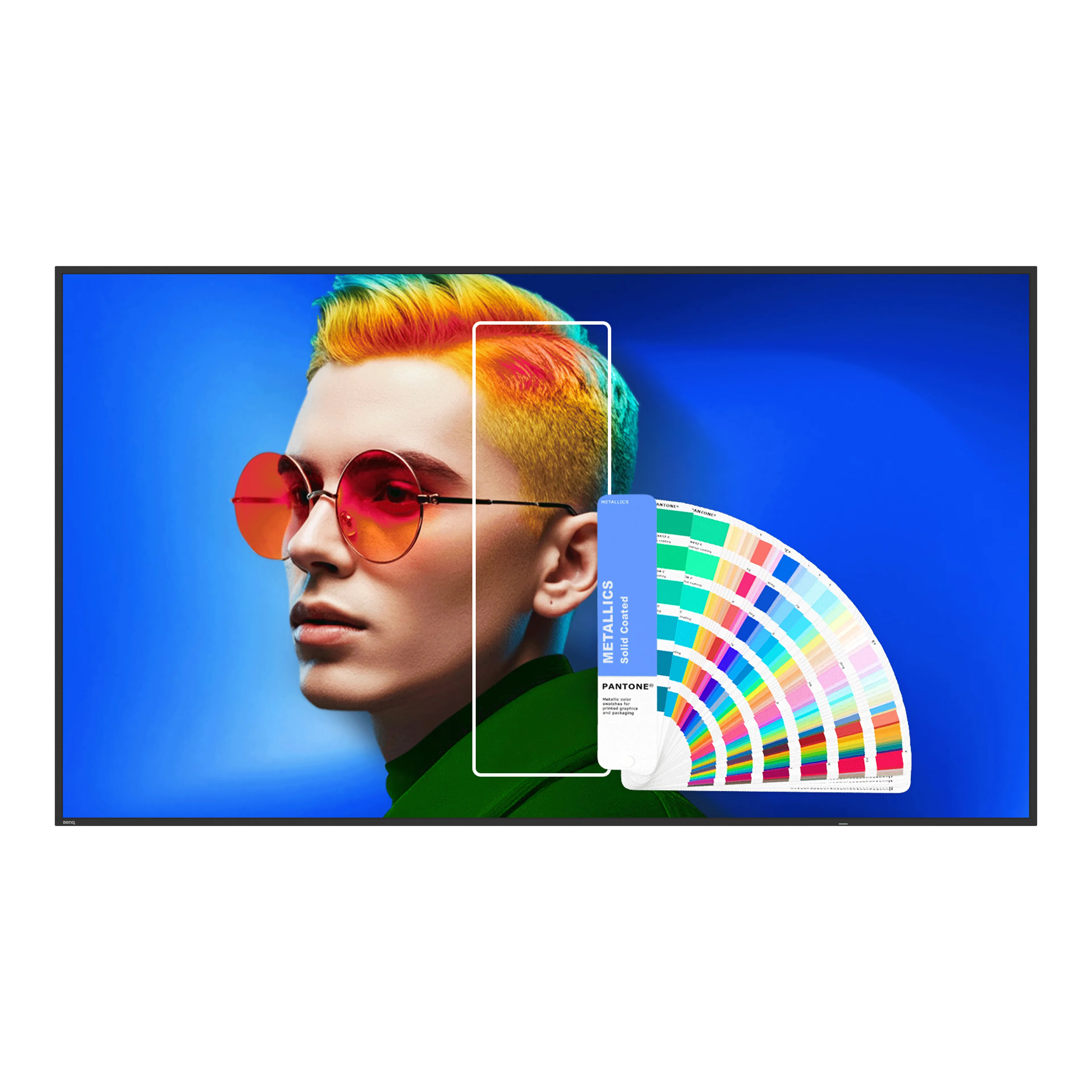
BenQ SL6504 is a 65-inch professional 4K UHD digital signage display featuring 500 nits brightness, IPS panel technology, Android 13,...
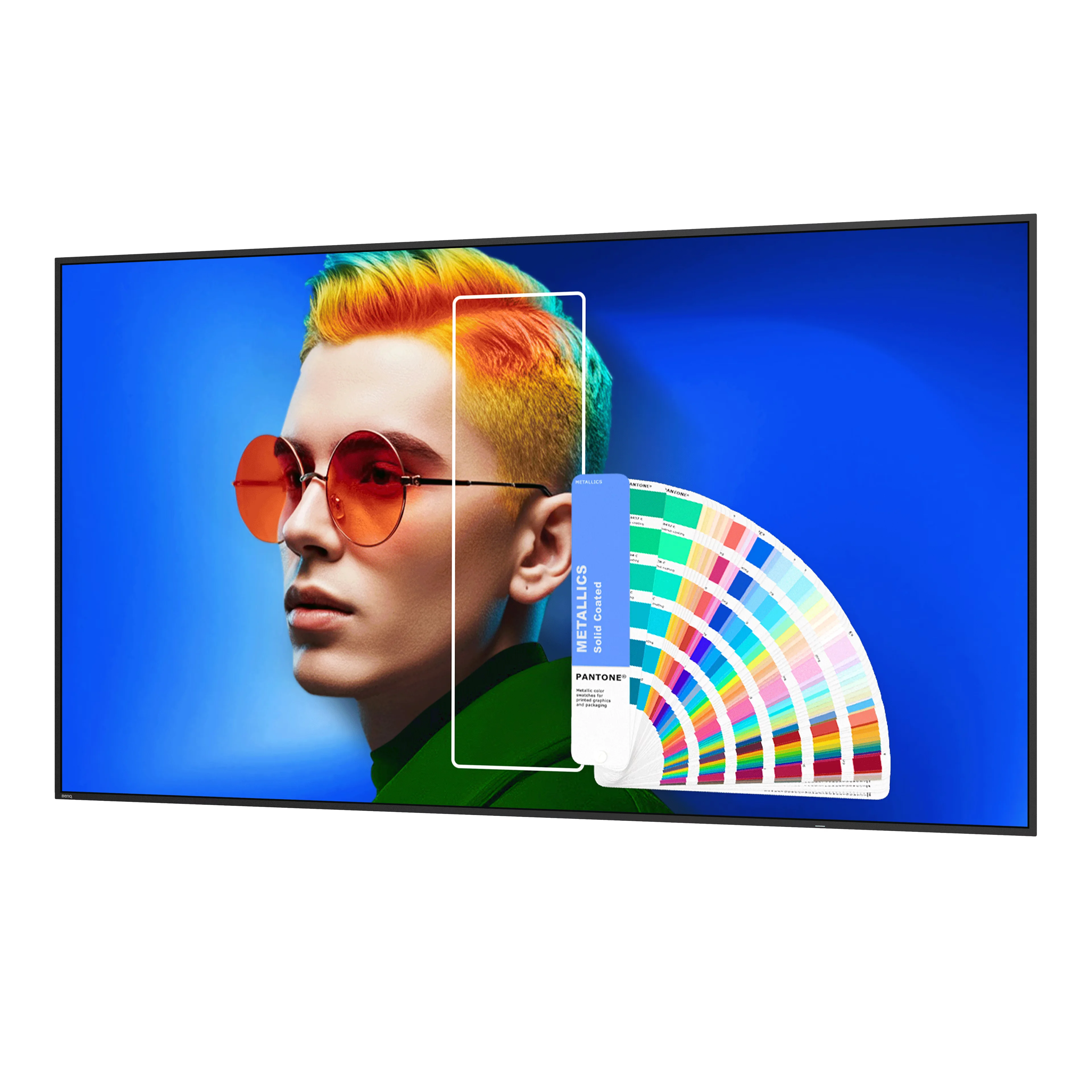
BenQ SL7504 is a 75-inch 4K UHD professional digital signage display with 500 nits brightness, Android 13, 24/7 operation, anti-glare...
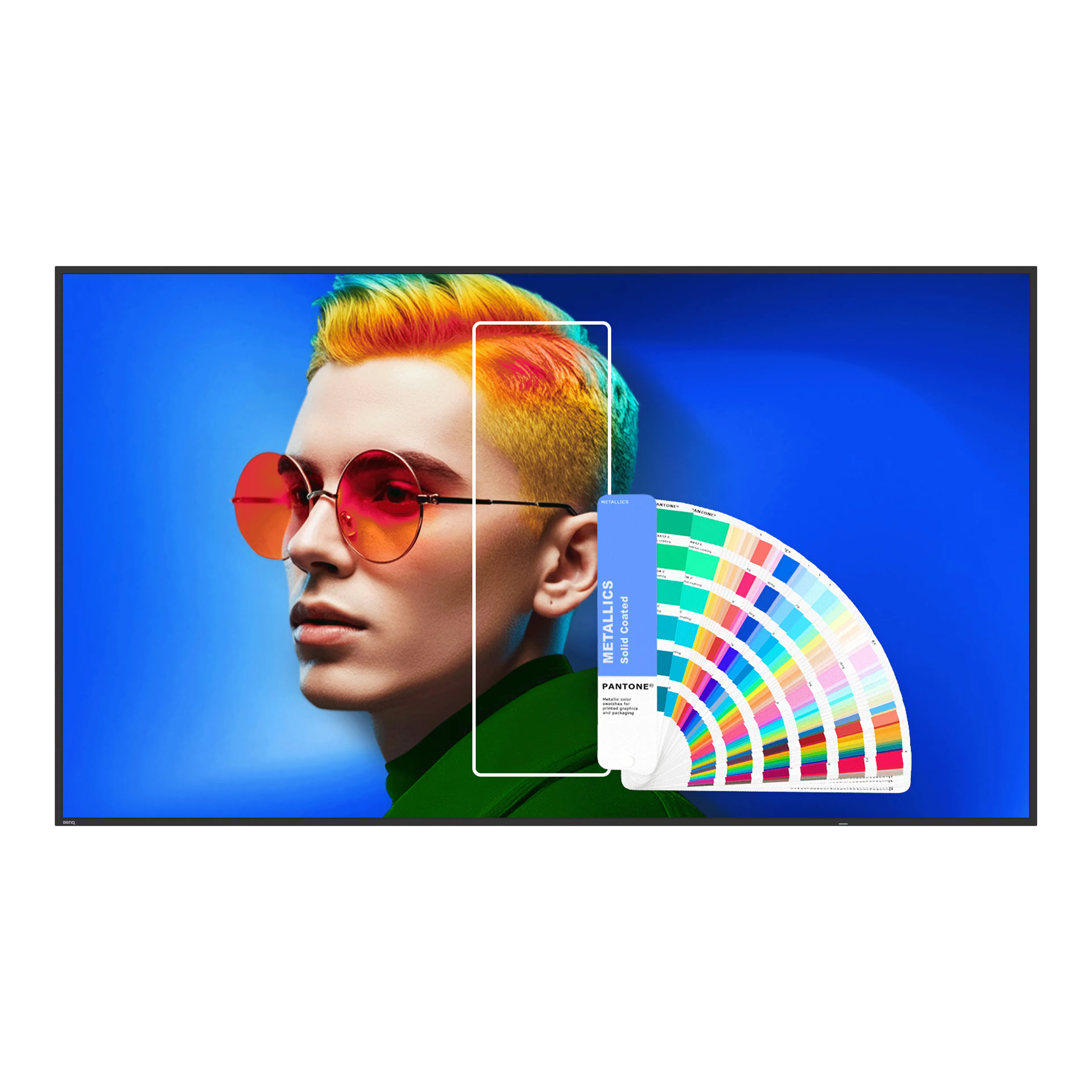
The BenQ SL8604 is an 86-inch 4K UHD professional digital signage display featuring 500 nits brightness, an IPS panel, Android...
Samsung OM55N 55 Inch Semi Outdoor Digital Signage features 4,000-nit brightness, Full HD resolution, wide 178° viewing angles, and a...