March 11, 2026 Manisha Maurya
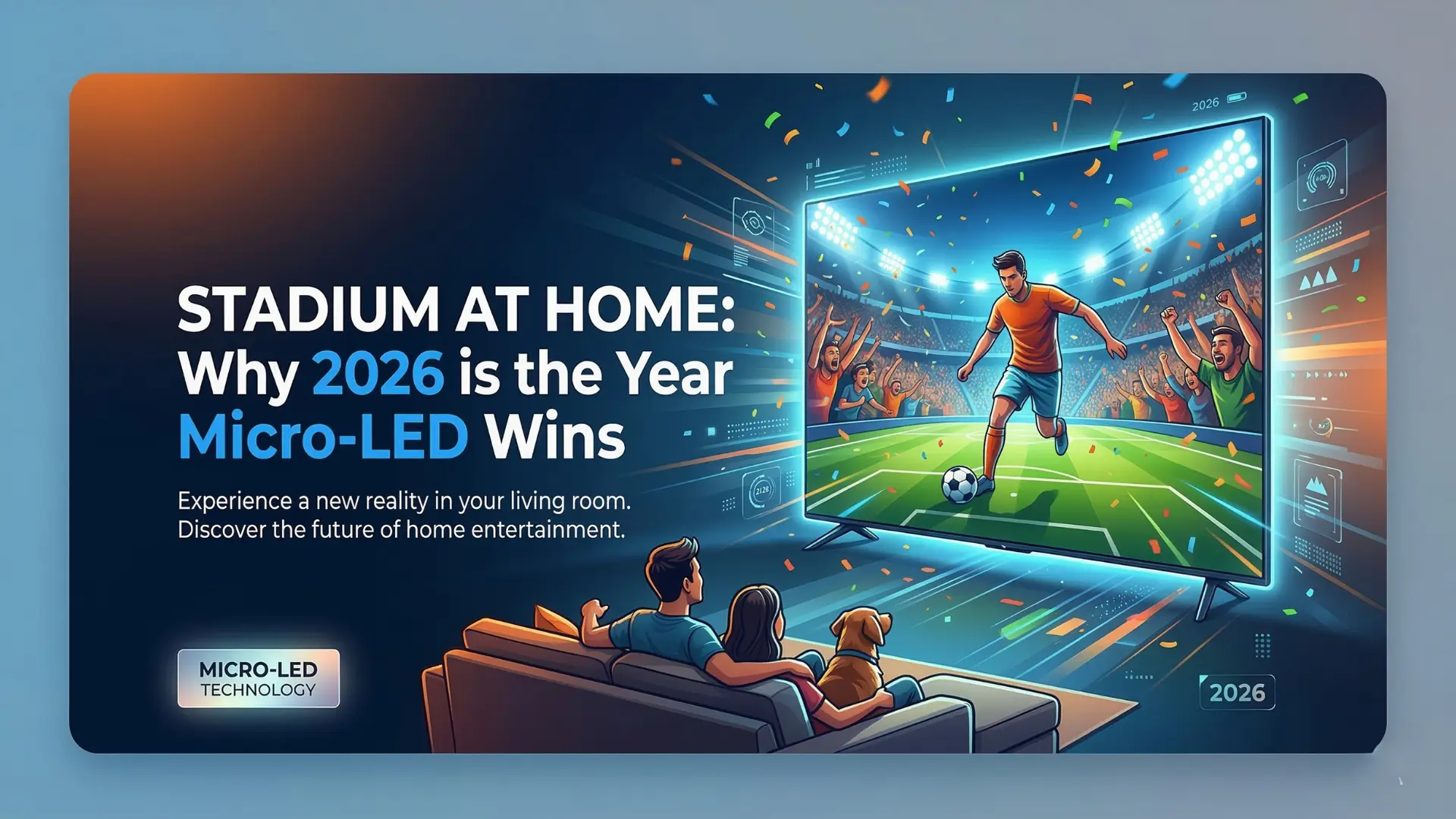
For decades, if you wanted a screen that made you feel like you were sitting courtside or in the front row of a stadium, there was only one answer: a ceiling-mounted projector. But as we move through 2026, a seismic shift has occurred in the high-end home cinema market.
The "Projectors vs. TV" debate is effectively over. Micro-LED technology has finally matured, bringing the scale of a stadium screen into the living room with none of the traditional projection pitfalls. Here is why 2026 is the official turning point.
The biggest weakness of even the best 4K laser projectors has always been ambient light.
Micro-LED changes the game by being self-emissive.
Seamless Assembly: These displays are delivered in smaller blocks and assembled on-site.
Custom Aspect Ratios: Want a super-wide 21:9 screen for "CinemaScope" movies? You can build it.
No Size Limit: While projectors struggle with "soft" focus at larger sizes, Micro-LED remains razor-sharp from 110 to 150 inches and beyond.
The "turning point" of 2026 isn't just about tech; it's about the wallet. Thanks to breakthroughs in mass-transfer manufacturing, where millions of LEDs are placed onto backplanes in minutes rather than hours, prices have plummeted.
While still a premium investment, a 115-inch Micro-LED now sits at a price point that makes it a viable alternative to high-end professional projector setups.
Projectors are notoriously high-maintenance. You have to worry about:
Bulb degradation or laser dimming over time.
Fan noise that can ruin a quiet movie scene.
Dust entering the optical engine.
Micro-LED is solid-state.
| Feature | High-End Projector (2026) | Micro-LED Display (2026) |
| Brightness | ~3,000 Lumens (Sensitive to light) | 5,000+ Nits (Daylight viewable) |
| Contrast | High (but room dependent) | Infinite (True Black) |
| Installation | Complex Calibration | Modular Professional Assembly |
| Lifespan | 20,000 - 30,000 Hours | 100,000+ Hours |
| Acoustics | Potential Fan Noise | Silent |
Yes, especially for large scales. While OLED offers great contrast, it can't match the extreme peak brightness of Micro-LED and is susceptible to "burn-in." Micro-LED uses inorganic materials, meaning it won't degrade over time.
Currently, most 2026 models require professional installation.
Absolutely. At the 110-inch+ sizes where Micro-LED excels, the jump to 8K is much more noticeable than on a standard 65-inch TV. Most flagship 2026 models come with 8K AI-upscaling as standard.
The primary reasons are image "punch" and usability. If you want a "Stadium at Home" experience that works during the day for sports and at night for movies without ever closing the blinds, Micro-LED is the superior choice.
Surprisingly, yes. Because they are self-emissive, they only consume power for the pixels that are turned on. In 2026, new "Eco-Matrix" drivers have made these giant screens more efficient than many older 85-inch LED TVs.

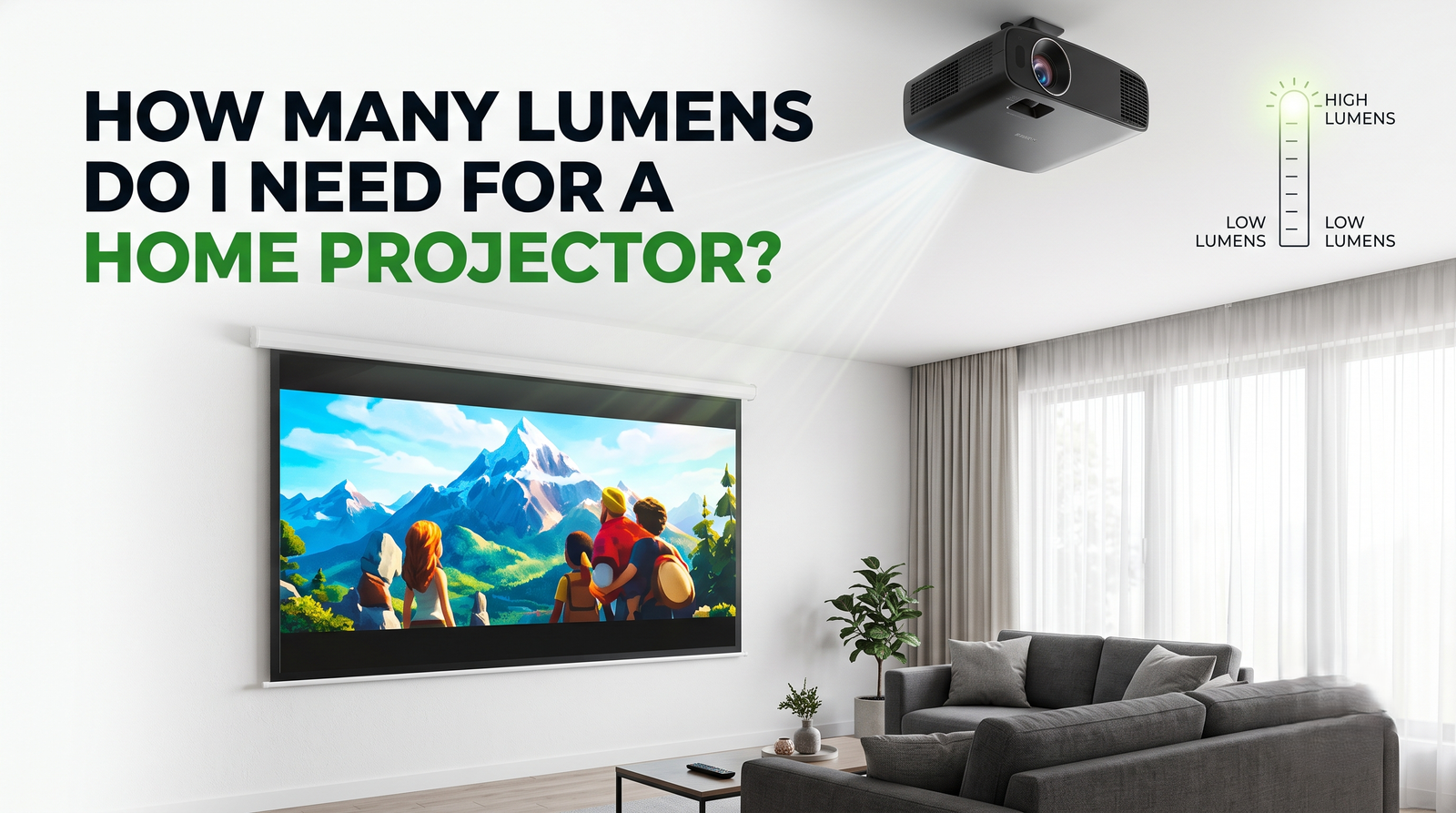 Interactive flat Panel
Interactive flat Panel
Interactive flat Panel
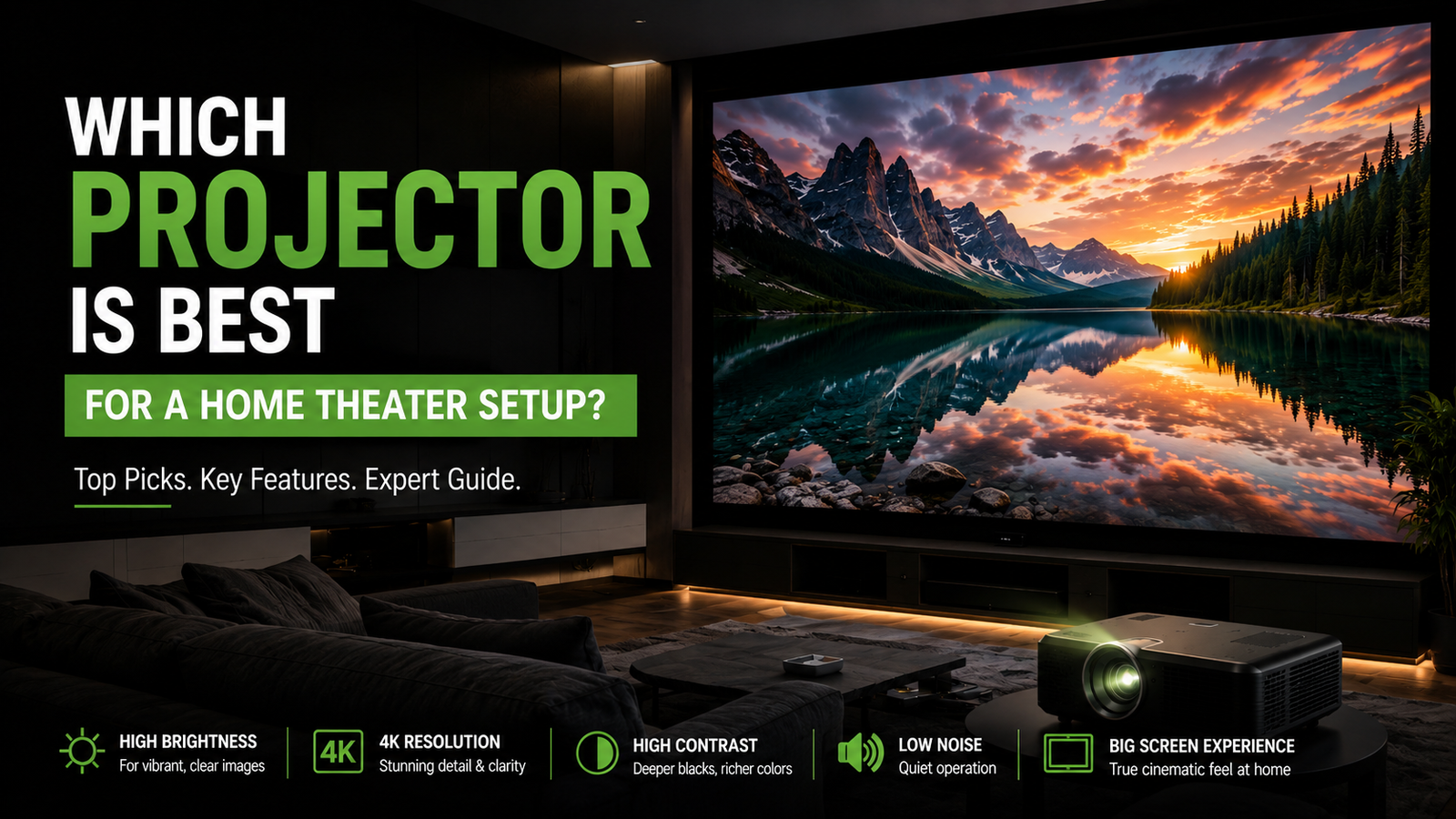 Interactive flat Panel
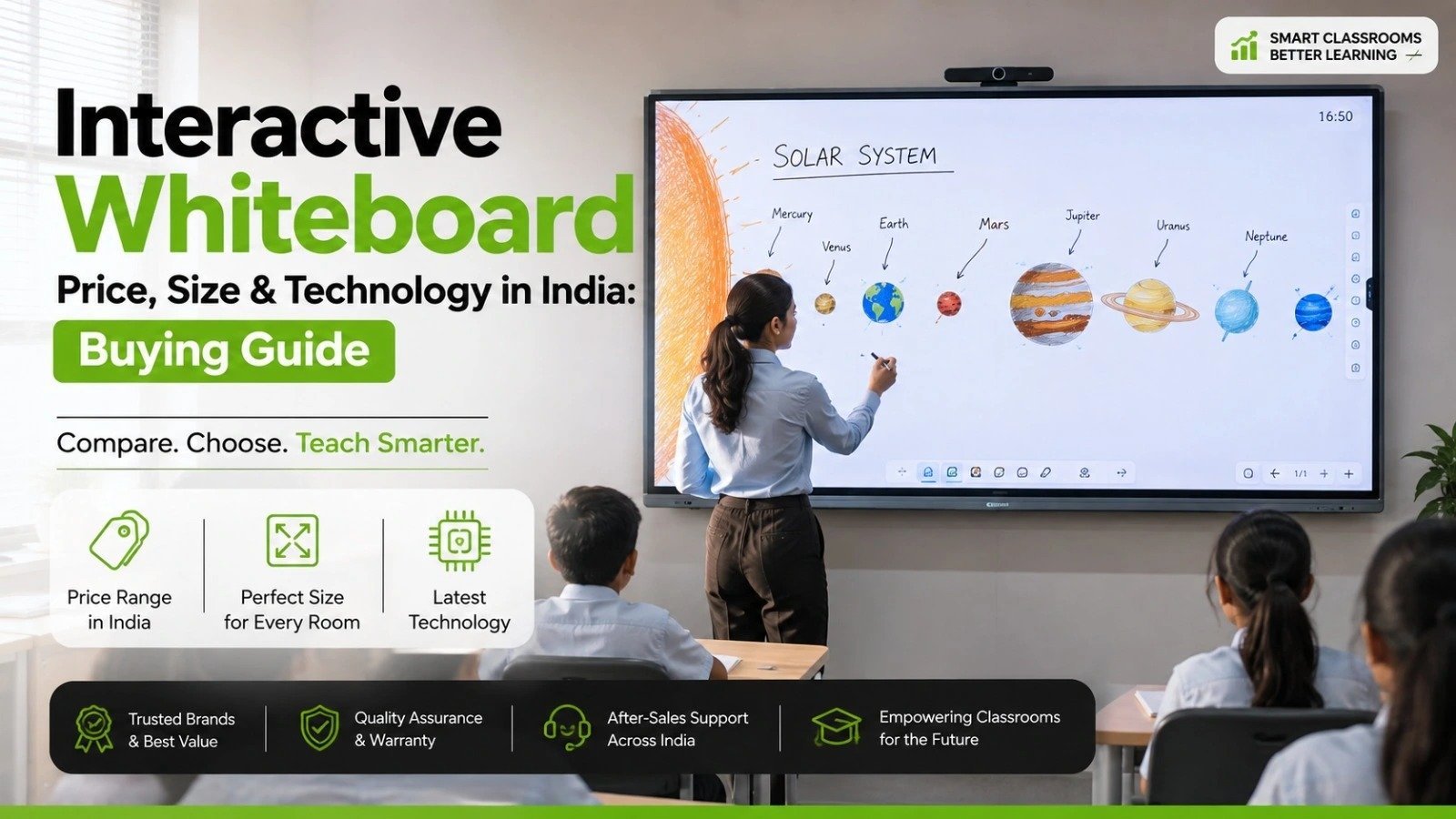 Interactive flat Panel