Beyond the Whiteboard: 7 Ways AI-Powered Interactive Panels are Changing Classrooms in 2026
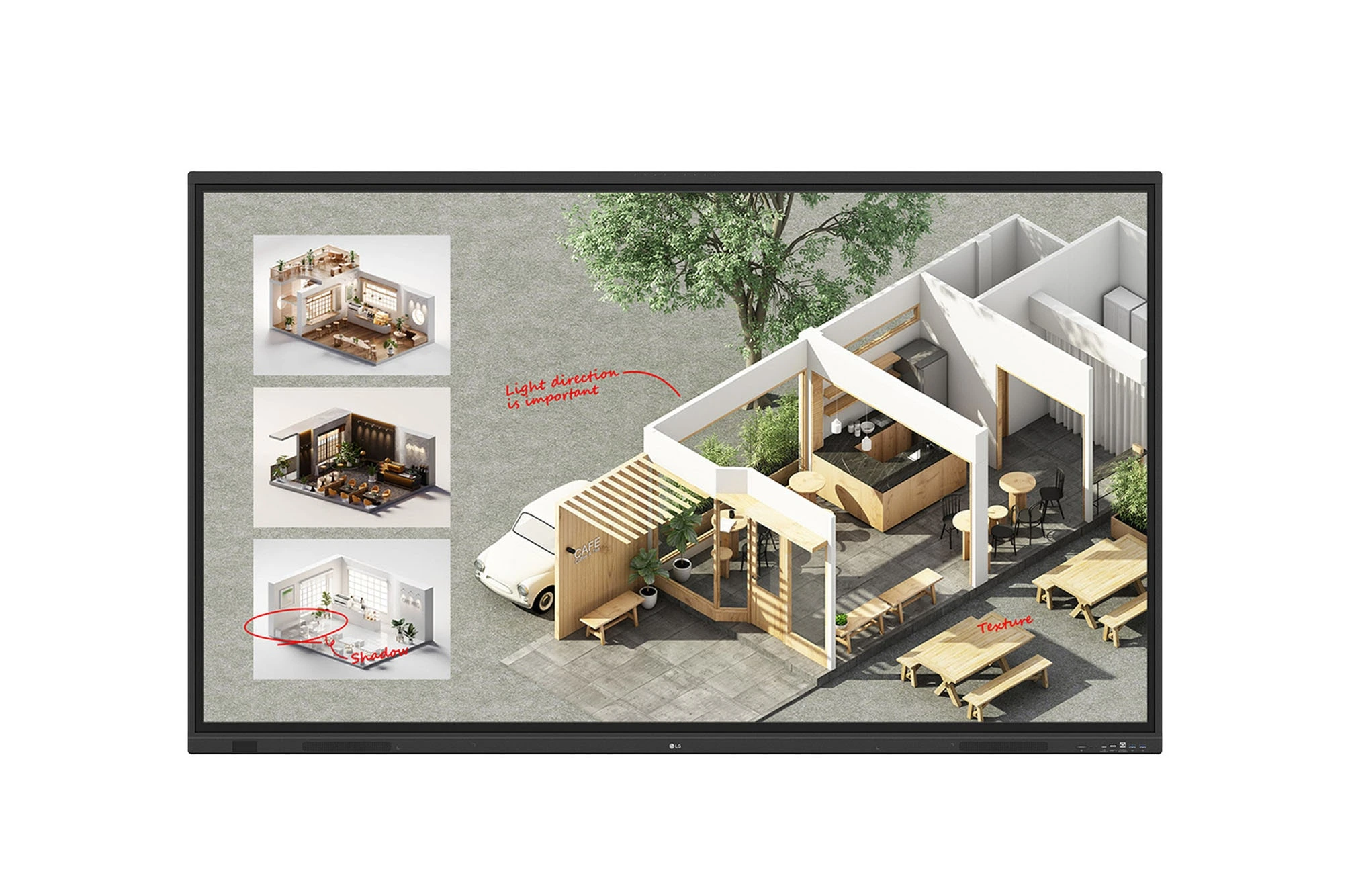
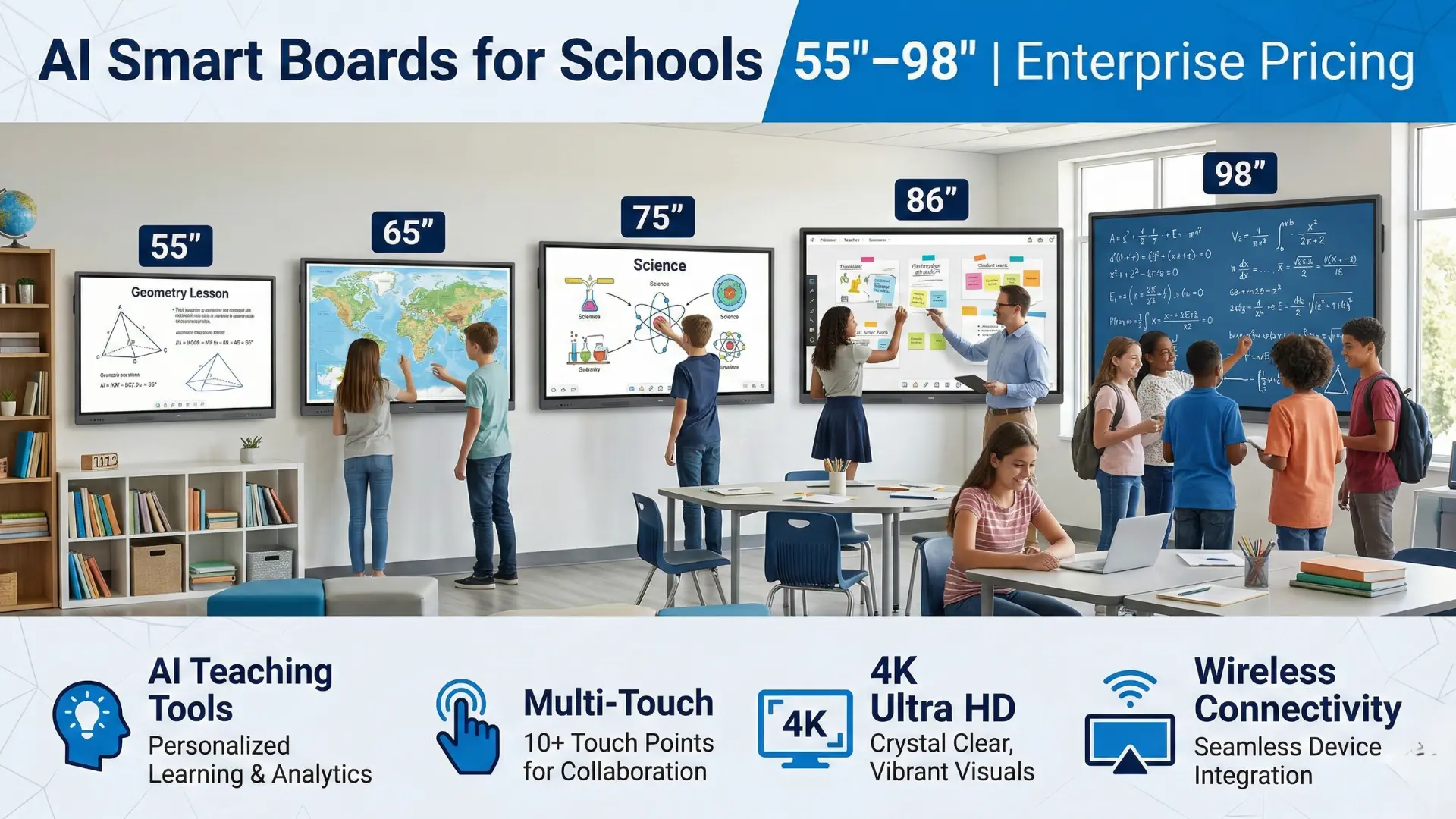
The classroom of 2026 looks fundamentally different from the learning spaces of just a few years ago. We are no longer just replacing chalk dust with digital markers; we are moving into an era where classroom hardware actively participates in the teaching process. AI-powered interactive panels have evolved from simple presentation screens into intelligent teaching assistants.
For schools and educational institutions looking to future-proof their infrastructure, understanding this shift is critical. Here are seven ways AI-integrated smart boards are revolutionizing the modern classroom.
The Rapid Shift in Education Technology
Institutions are rapidly realizing that standard digital displays are no longer enough to keep digital-native students engaged. The demand is shifting toward technology that reduces teacher workload while maximizing student output.
Moving from Static Displays to Intelligent Teaching Assistants
The true value of modern interactive panels lies not in their 4K resolution, but in the neural engines running behind the glass. Here is how they are changing the game.
1. AI-Driven Adaptive Learning Experiences
Gone are the days of
one-size-fits-all instruction. In 2026, AI panels can analyze the pace of a classroom and suggest real-time modifications to the lesson plan. If the integrated software detects that students are struggling with a complex geometry concept, the panel can automatically prompt the teacher with 3D models or interactive simulations to break the concept down visually.
2. Automated Lesson Transcription and Summaries
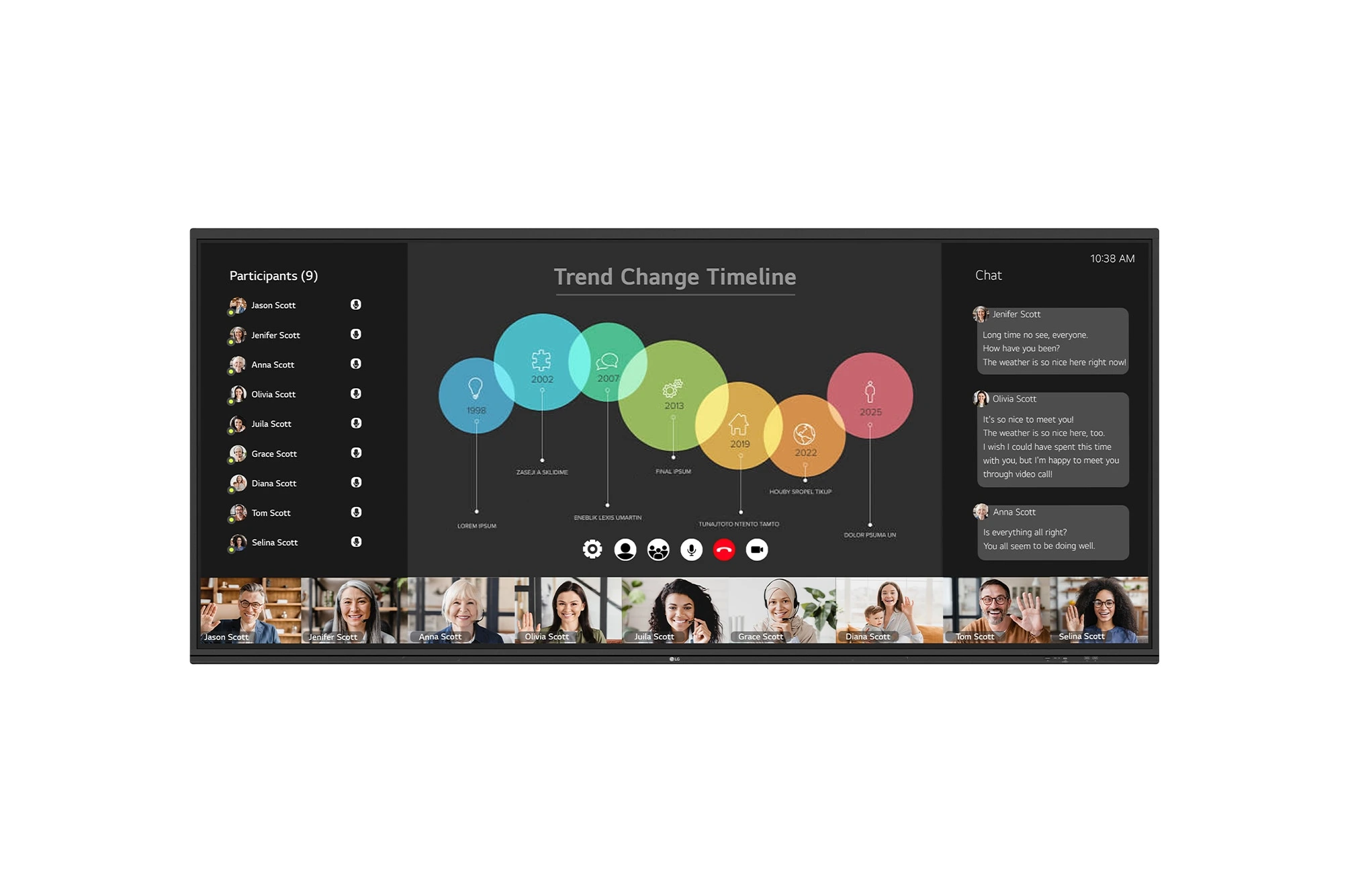
Teachers often spend hours uploading notes and summarizing lessons for absent students. Today's AI panels feature built-in smart cameras and microphone arrays that not only record the lecture but automatically generate organized, searchable text summaries and actionable study notes the moment the class ends.
3. Inclusive Education Through Real-Time Translation
A major hurdle in diverse educational environments is the language barrier. AI
interactive panels now offer seamless, real-time closed captioning and translation during live lectures.
Breaking Down Language Barriers in Diverse Classrooms
Whether a student's first language is Hindi, Spanish, or Mandarin, the panel can provide live translated subtitles on the screen or directly to the student's connected personal device.
How Multilingual Support Empowers Every Student
This micro-level of accessibility ensures that non-native speakers do not fall behind on core curriculum simply because of a language gap, fostering a truly inclusive learning environment.
4. Effortless Hybrid Learning Integration
The hybrid classroom is a permanent fixture. Modern panels utilize AI-powered auto-framing cameras and noise-canceling microphones to ensure remote students feel like they are sitting in the front row. The AI intuitively tracks the teacher as they move across the room, ensuring remote learners never lose sight of the instructor or the board.
5. Advanced Analytics for Student Engagement
Using anonymous, edge-processed data, advanced
smart boards can gauge overall classroom engagement levels. By analyzing response times during interactive quizzes and participation rates, the system provides educators with a dashboard highlighting which topics resonated and which might need a quick review the next day.
6. Eco-Friendly Operations and Lower Maintenance
School IT budgets are notoriously tight. AI panels now feature smart energy management, powering down components when the room is empty and optimizing brightness based on ambient light.
7. Seamless Hardware Ecosystems
Educators no longer have to fight with tangled HDMI cords or incompatible software. Modern panels act as the central hub of the classroom, seamlessly connecting to students' tablets, cloud storage drives, and existing Learning Management Systems (LMS) with a single tap.
Selecting the Perfect Smart Board for Your School
Investing in hardware is a long-term commitment. When outfitting a campus, administrators must look beyond the initial price tag and evaluate the Total Cost of Ownership (TCO), software ecosystems, and post-installation support.
- Exploring Top Innovators: BenQ, Samsung, LG, and DeltaView
- The market in 2026 is highly competitive, but a few key players stand out for enterprise and educational needs:
- BenQ Interactive Panels: Renowned for their ClassroomCare tech, featuring germ-resistant screens and advanced eye-care solutions, alongside highly intuitive whiteboarding software.
- Samsung Smart Boards: Ideal for institutions deeply embedded in a corporate-style tech ecosystem, offering unmatched display clarity and seamless multi-device integration.
- LG Digital Boards: Known for their robust build quality and highly responsive touch technology, making them a favorite for fast-paced, high-traffic classrooms.
- DeltaView Interactive Panels: Rapidly gaining traction as a high-value, feature-rich alternative that delivers premium AI capabilities and robust localized support without stretching the school budget.


 Buying guides
 Buying guides
 Buying guides