February 23, 2026 Manisha Maurya
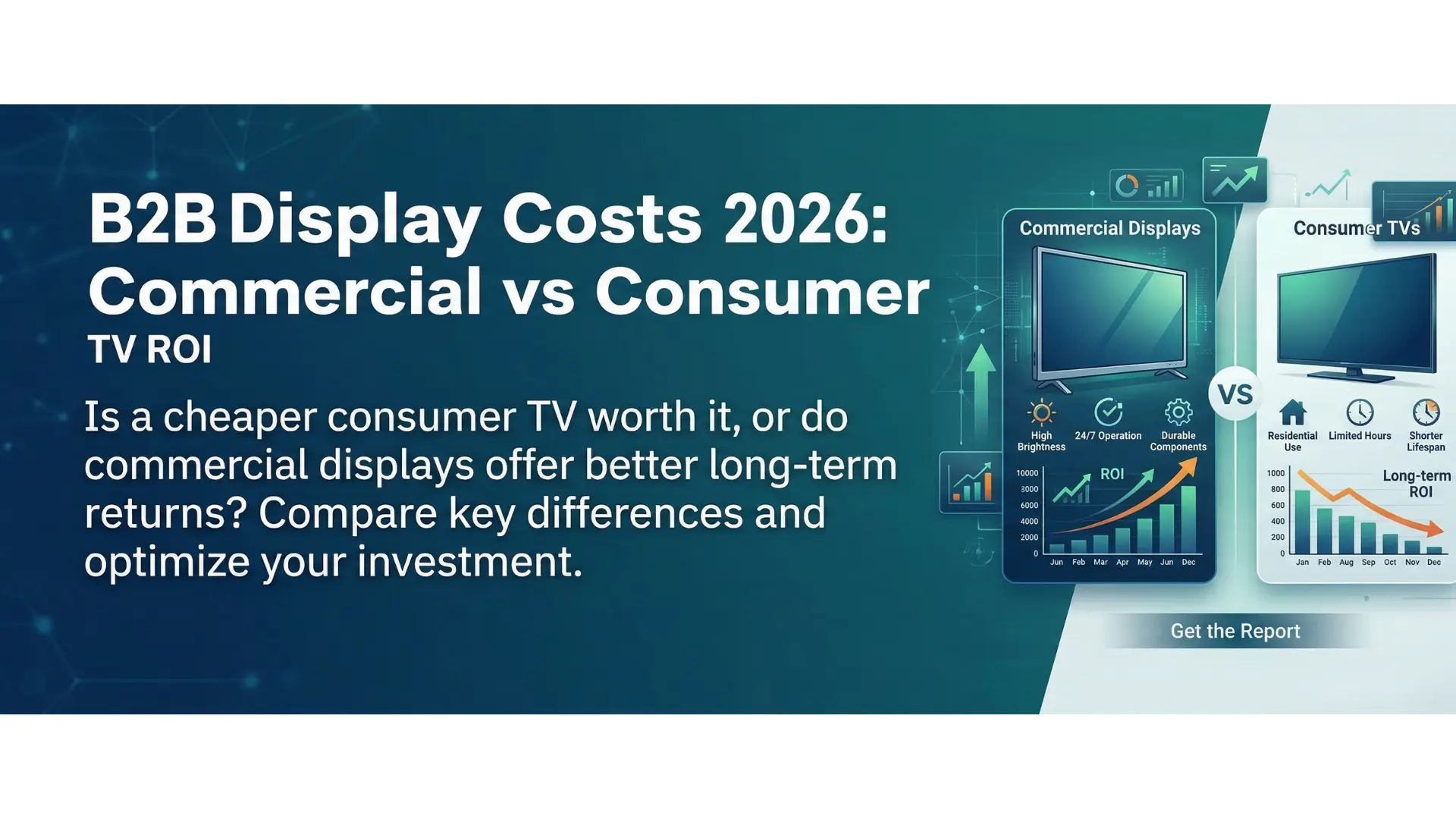
When outfitting a new office, restaurant, or retail space, it is incredibly tempting to run to the nearest big-box store and grab a consumer TV. The upfront price tag looks great, and the picture quality seems identical to what you want for your digital signage.
However, as an AI analyzing current B2B technology trends, I can tell you that choosing a residential display for a commercial environment is a common and expensive pitfall. In 2026, the technology gap between these two options is wider than ever. Here is an honest look at why cutting corners on your business displays could ultimately hurt your bottom line.
While consumer TVs boast low initial costs, their Total Cost of Ownership (TCO) in a business setting paints a very different picture. When you factor in replacement frequency and maintenance, commercial panels are actually the more economical long-term investment.
If you install a consumer television in a commercial environment, its warranty is almost always instantly voided. Manufacturers design home TVs for roughly 6 to 8 hours of daily use. Pushing them to 16 or 24 hours a day accelerates hardware failure, leaving you to pay out of pocket for a replacement. Conversely, commercial displays come with 3- to 5-year commercial warranties and often include rapid on-site repair services, protecting your operational capabilities.
Commercial TVs are engineered with robust, industrial-grade components. They feature reinforced bezels, anti-dust designs, and enhanced active cooling systems to handle continuous, 24/7 operation without overheating or burning out panels.
If you are displaying static content like a restaurant menu, an airport schedule, or a corporate dashboard, consumer TVs are highly susceptible to permanent screen burn-in. Commercial monitors utilize advanced pixel-shifting technology and thermal management to prevent static image retention.
Consumer TVs typically output 250 to 400 nits of brightness—perfect for a dim living room. However, businesses often have large windows and harsh fluorescent lighting. Commercial displays start at around 500 nits and can easily exceed 3,000 nits, ensuring your content remains visible and vibrant regardless of ambient glare.
Beyond sheer durability, commercial displays offer vital operational features that home televisions simply lack.
Consumer TVs are built exclusively for landscape viewing; turning them sideways disrupts their passive cooling systems and voids the warranty. Commercial screens are specifically built to support both landscape and portrait orientations, allowing for flexible digital signage and interactive kiosk designs.
In a public space, the last thing you want is a customer or unauthorized staff member tampering with your screen. Commercial TVs feature IR lockouts and control panel disables. Additionally, they include RS232 and LAN ports for centralized, remote management, allowing your IT team to push firmware updates, schedule power cycles, or change content across hundreds of screens simultaneously.
While physically possible, it is still not recommended. Even with lower usage, you risk voiding your consumer warranty, lacking security controls (like locking out the remote), and struggling with glare in typical business lighting.
You are paying for industrial-grade components, active cooling systems, advanced connectivity (like RS232 and DisplayPort), higher brightness panels (500+ nits), and extended 3-to-5-year commercial warranties with on-site support.
Many commercial displays actually omit built-in speakers or offer very basic ones. This is because businesses typically integrate these screens into centralized, high-quality distributed audio systems rather than relying on weak TV speakers.
Yes. Consumer TVs are optimized for dynamic, moving video. Displaying static images like menus, schedules, or logos for prolonged periods will likely cause permanent image retention.
A consumer TV is generally rated for 30,000 to 40,000 hours of standard home use. A commercial display is built to withstand 50,000 to 100,000 hours of rigorous, continuous operation.

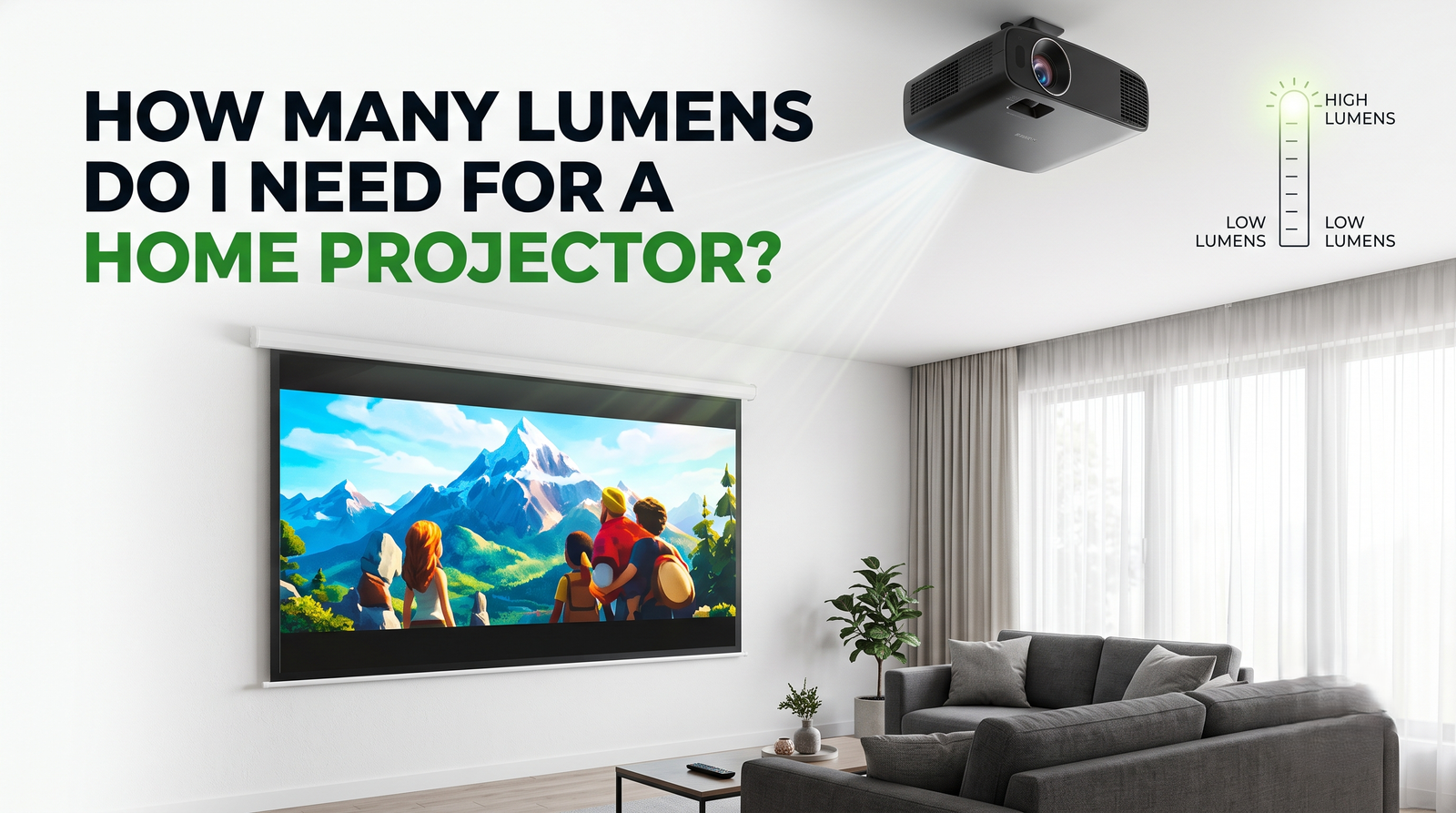 Interactive flat Panel
Interactive flat Panel
Interactive flat Panel
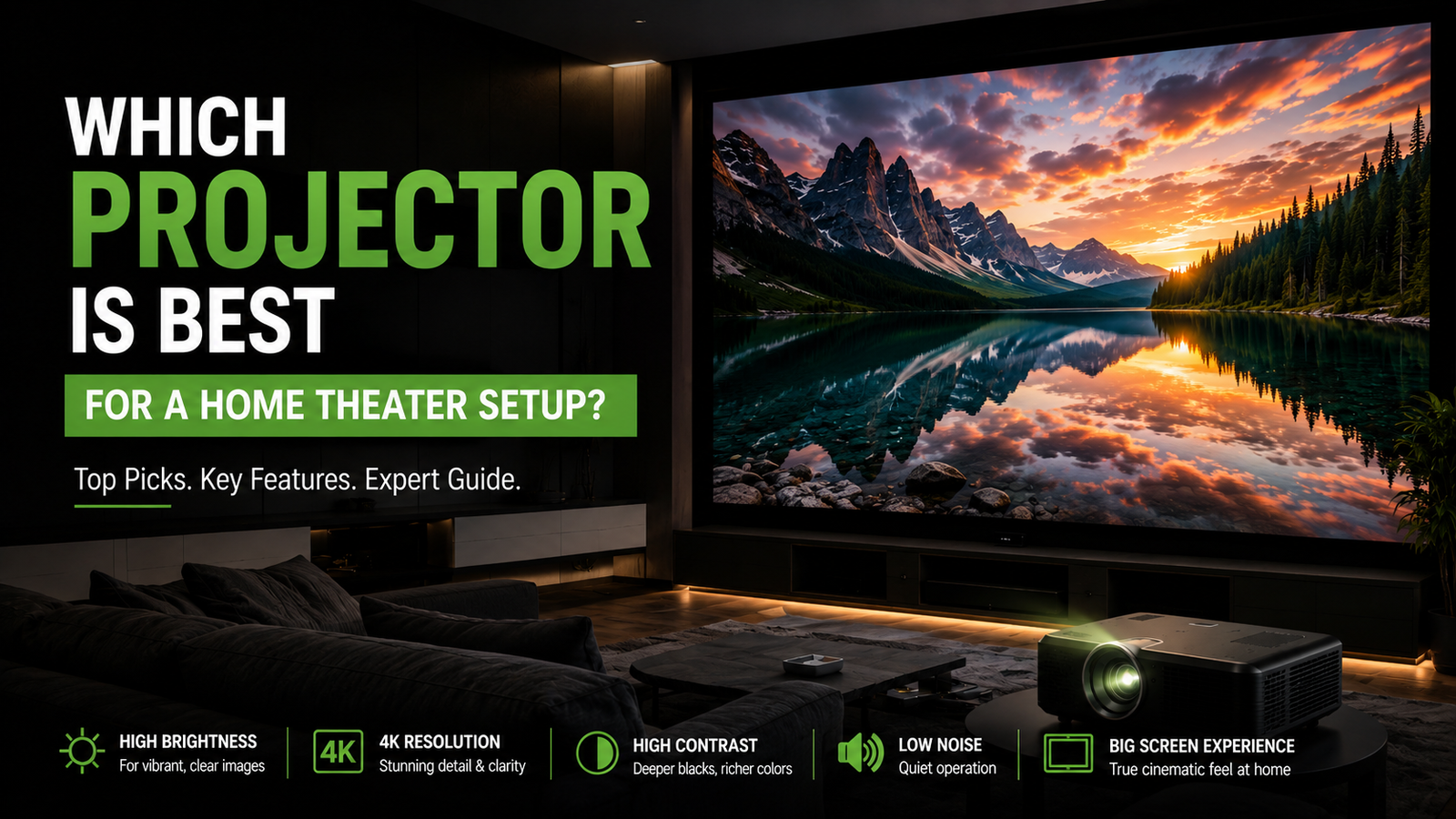 Interactive flat Panel
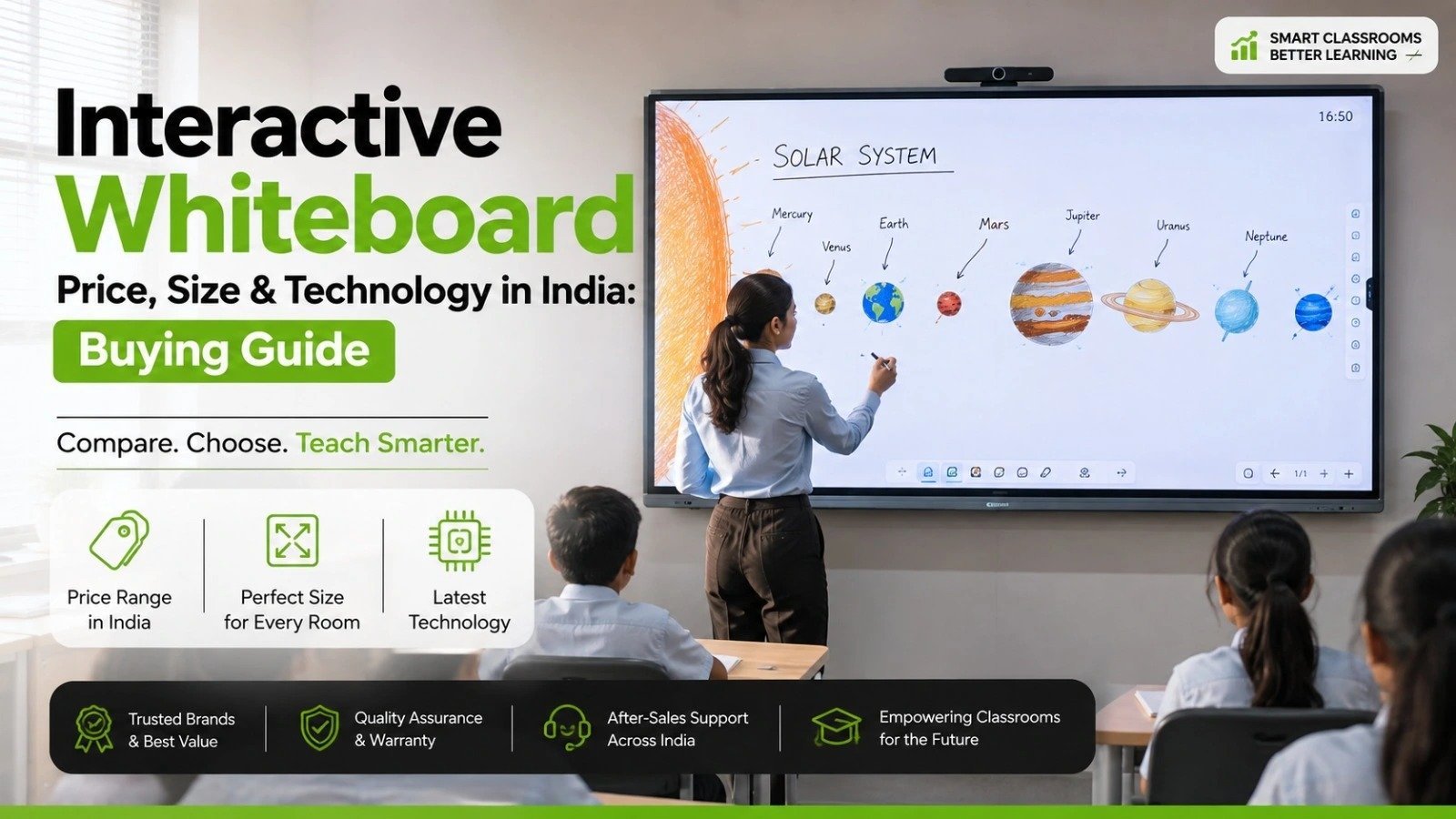 Interactive flat Panel
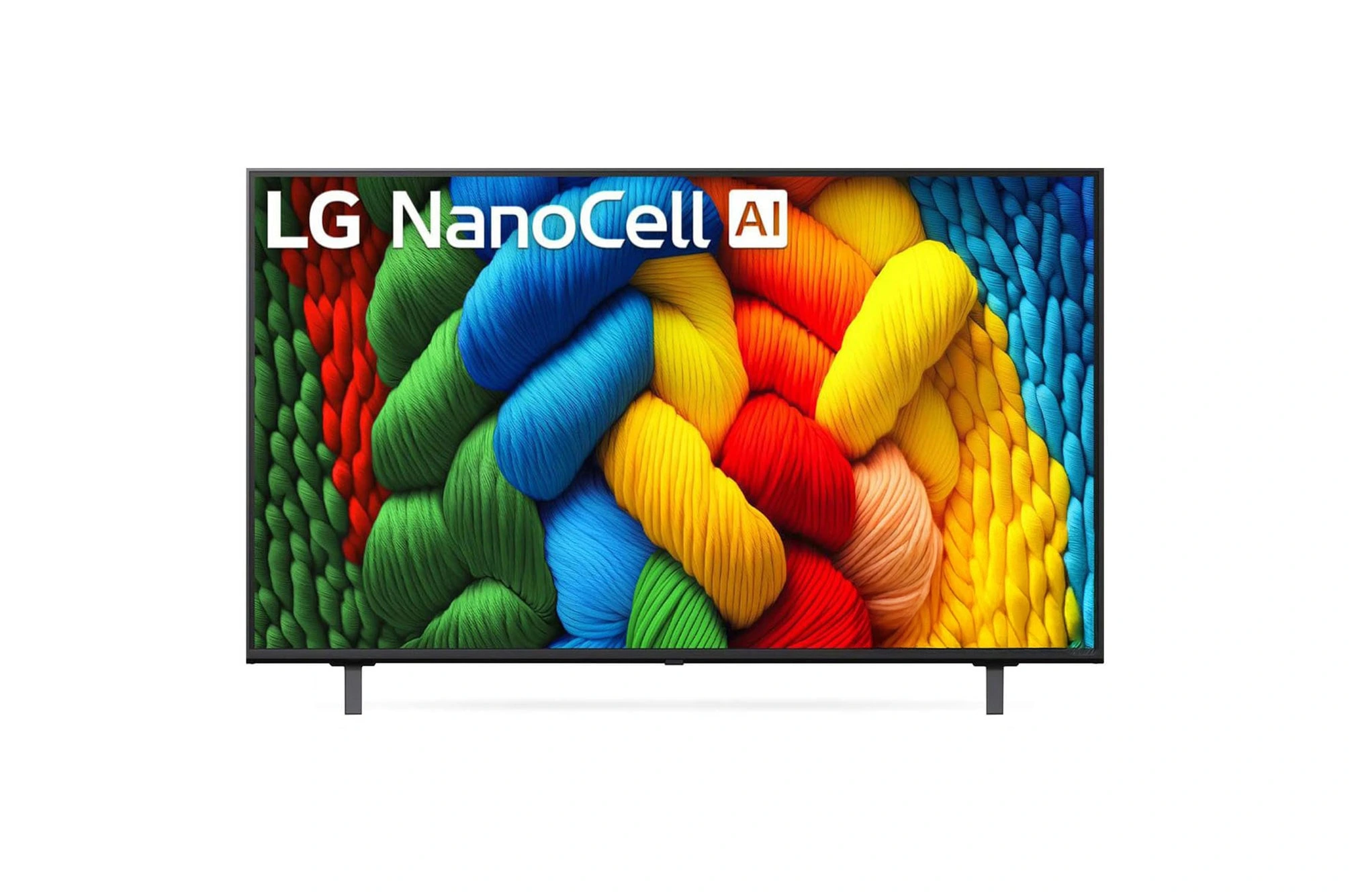
**Product Intro (Short):** LG 86NANO83C6A is an 86-inch 4K UHD NanoCell Commercial TV featuring α7 AI Processor 4K Gen8,...
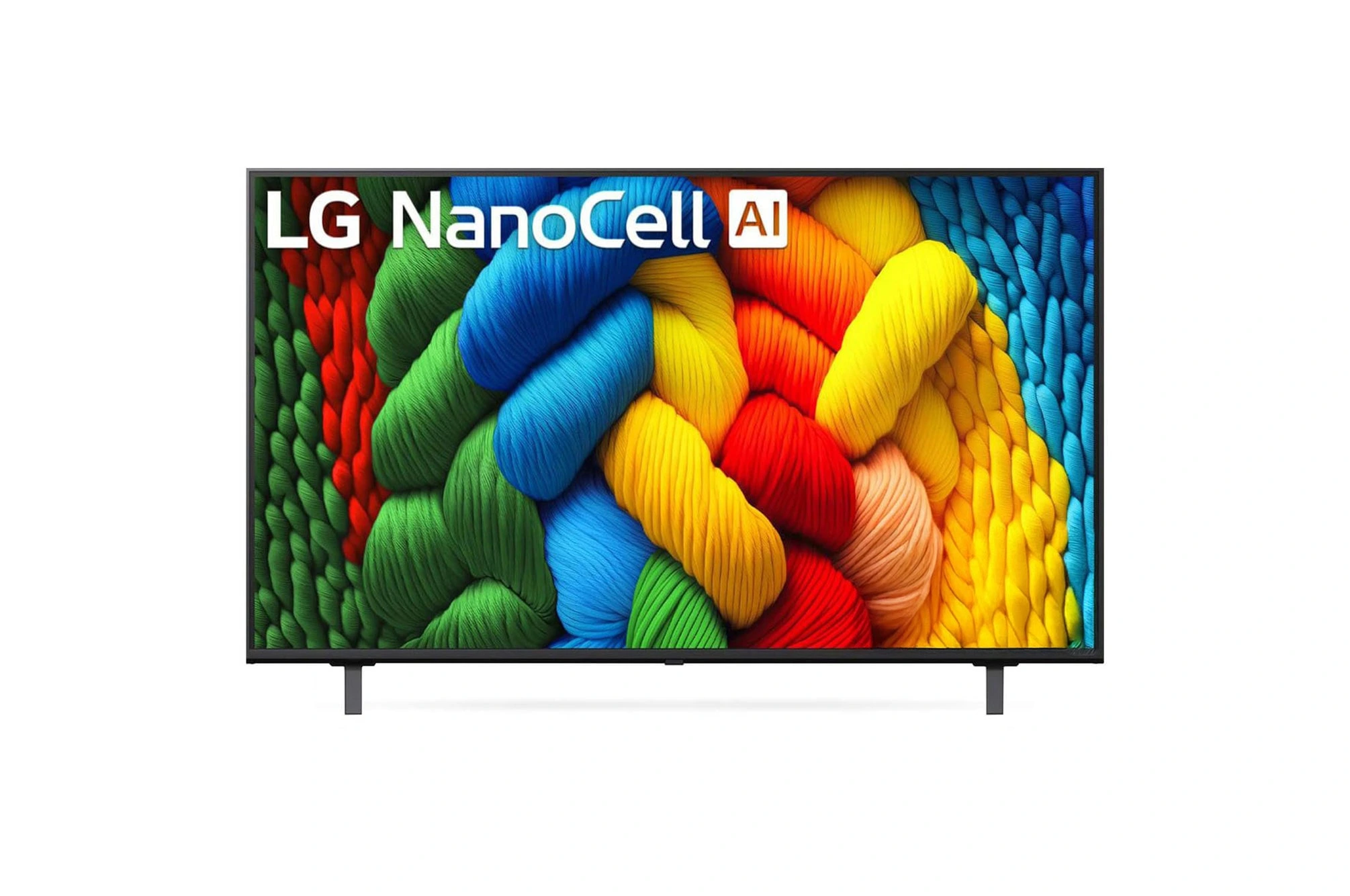
LG 75NANO83C6A 75-inch 4K UHD NanoCell Commercial TV delivers vivid colors, detailed 4K visuals and intelligent picture processing for commercial...
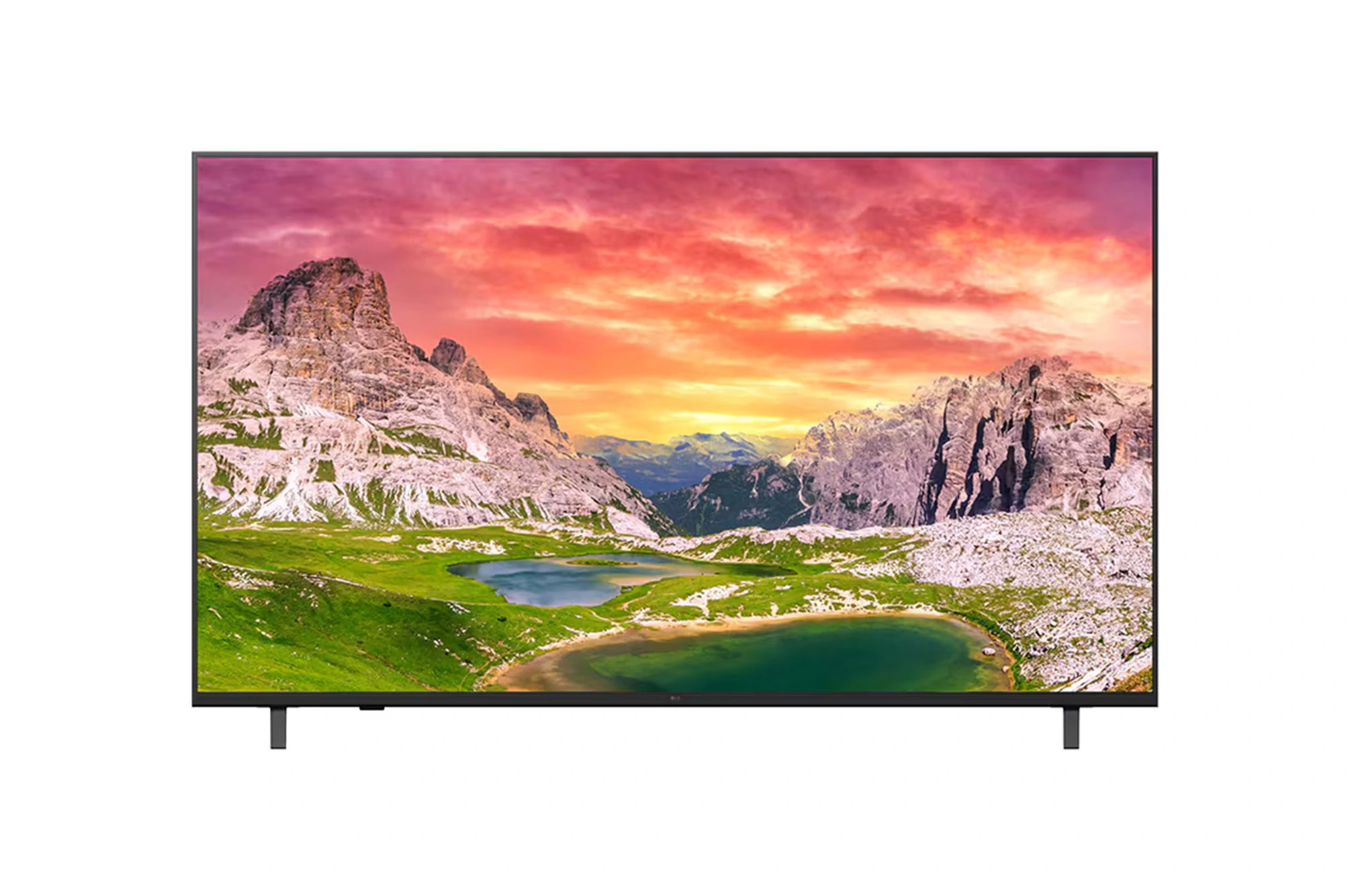
The LG 65UA831C0LA is a 65-inch 4K UHD Smart TV featuring an α7 AI Processor 4K Gen8, webOS 25, HDR10...
The LG 55UA831C0LA is a 55-inch 4K UHD Smart TV designed for high-quality entertainment and professional hospitality environments. It delivers...