February 23, 2026 Manisha Maurya
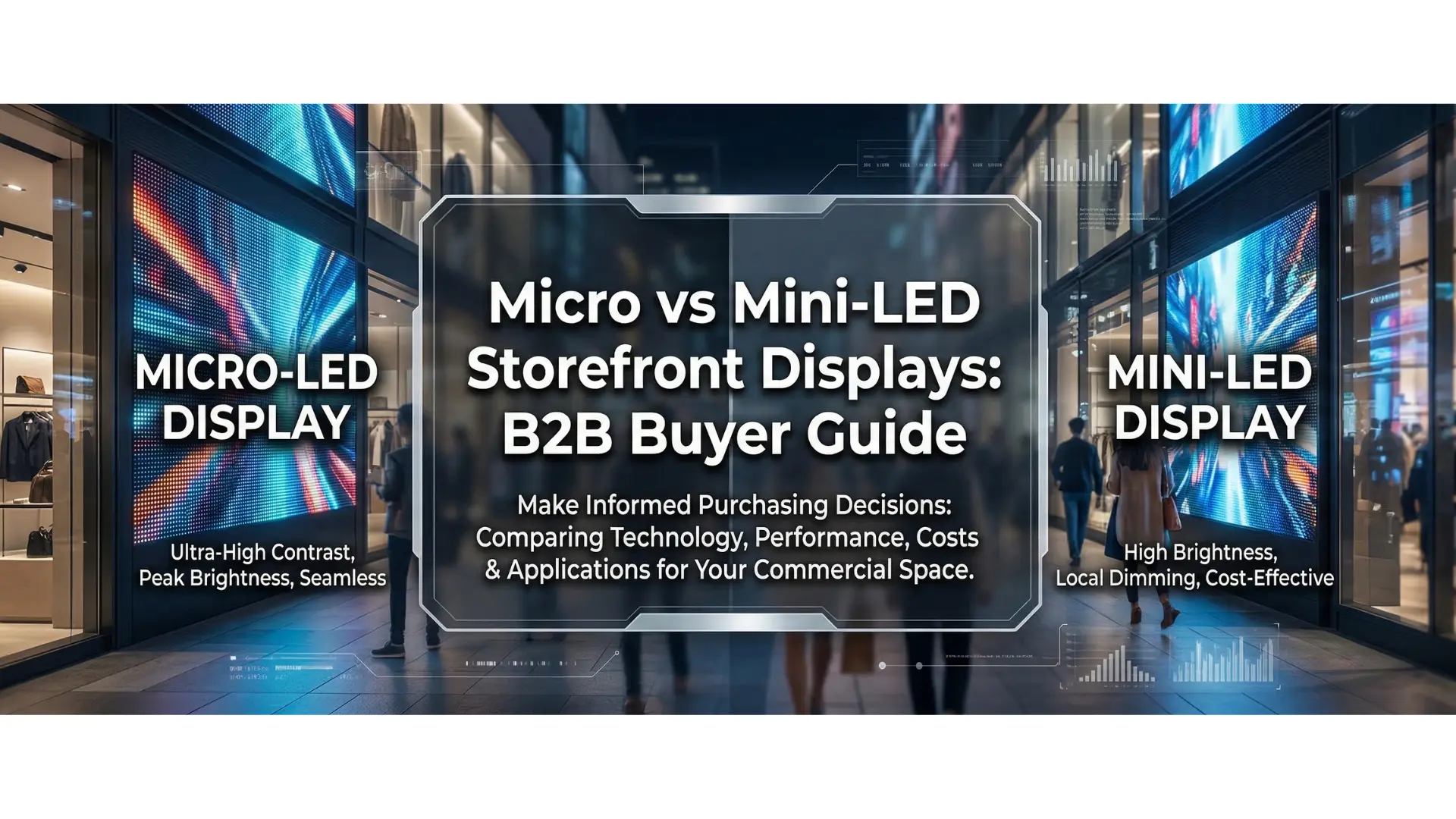
Investing in a commercial storefront display can feel overwhelming, especially with the rapid evolution of digital signage technology. If you are a retailer or business owner looking to capture foot traffic, you already know that a standard TV won’t cut it against the glare of the midday sun. You need a high-brightness commercial display.
Currently, the two heavyweights dominating the premium digital signage market are Mini-LED and Micro-LED. Both promise exceptional brightness, deep contrast, and seamless integration, but they represent entirely different investments and structural technologies. Let’s break down which display technology makes the most sense for your retail real estate.
Your storefront window is your most valuable physical marketing asset. However, putting a screen behind glass facing the outdoors introduces major environmental challenges: intense UV exposure, thermal buildup, and direct sunlight glare. To remain visible, a storefront screen must output massive amounts of light (measured in nits) while maintaining absolute color accuracy to protect your brand identity.
While they sound similar, the manufacturing and structural engineering behind Mini and Micro-LED are fundamentally different.
In the commercial direct-view LED space, Mini-LED is a highly refined evolution of traditional LED walls. It utilizes diodes that generally measure between 100 and 200 microns. By shrinking the diode size compared to standard LEDs, manufacturers can pack far more pixels into the same surface area (tighter pixel pitch), resulting in a much sharper image. It relies on mature manufacturing processes, making it a highly reliable and accessible choice for large-format retail signage.
Micro-LED is a revolutionary leap in display engineering. It shrinks the LED diodes down to less than 50 microns—thinner than a human hair. Furthermore, Micro-LEDs often use a "flip-chip" Chip-on-Board (COB) packaging method without a substrate. Because the diodes are microscopic, there is more black space between pixels, resulting in absolute, pure black levels and an almost infinite contrast ratio.
When evaluating these two technologies for a B2B retail rollout, you have to look beyond just the spec sheet and consider total cost of ownership, operational durability, and visual impact.
Both technologies excel in high-ambient light environments, but they handle it differently.
Mini-LED: Easily achieves 2,000 to 4,000+ nits of brightness. It is highly capable of slicing through direct sunlight, making it a staple for outdoor-facing window displays.
Micro-LED: Can theoretically push even higher (prototypes exceed 10,000 nits), but its true advantage lies in maintaining pristine color accuracy and perfect contrast even when pushed to maximum brightness.
Mini-LED: Because it leverages existing, mature LED manufacturing supply chains, Mini-LED offers a fantastic balance of high-end performance and cost-effectiveness. The ROI for standard storefronts is highly favorable.
Micro-LED: The mass transfer process required to place millions of microscopic LEDs onto a board is incredibly complex. As a result, Micro-LED carries a premium, luxury price tag. It is best suited for flagship stores or high-end luxury brands where visual perfection is a strict requirement.
Both displays utilize inorganic materials, meaning they will not suffer from the "burn-in" issues that plague OLED screens. However, running screens at maximum brightness 24/7 generates heat, which affects lifespan.
Heat is the enemy of any electronic display. Efficient heat dissipation prevents color shifting and diode failure over time.
Because retail windows are enclosed spaces that trap greenhouse heat, how the display cools itself is critical to your maintenance budget.
Active Cooling: Uses fans. While effective, fans draw in dust, require filter changes, and have moving parts that eventually fail—driving up maintenance costs.
Passive Cooling: Relies on structural heat sinks to pull heat away from the diodes. Micro-LED and advanced COB Mini-LED panels excel at passive cooling because their structural design transfers heat efficiently without moving parts, ensuring a silent, maintenance-free operation.
Here is a quick reference guide to help you make your purchasing decision:
| Feature | Direct-View Mini-LED | Micro-LED |
| Diode Size | 100–200 microns | < 50 microns |
| Contrast | Excellent | Perfect (Absolute Black) |
| Price Point | Moderate to High | Premium / Luxury |
| Best Application | Standard retail chains, high-glare windows, large digital billboards | Flagship luxury boutiques, close-proximity viewing, XR studios |
| ROI Speed | Fast (Accessible pricing) | Long-term (Brand prestige focus) |
No. Unlike OLED displays which use organic compounds that degrade over time, both Mini-LED and Micro-LED use inorganic materials. They are completely immune to permanent image retention, making them perfect for static logos and 24/7 digital signage.
Both technologies are built for commercial rigor and typically boast lifespans of 100,000 hours (over 11 years of continuous 24/7 use) before they reach half-brightness.
While both can be manufactured with IP65+ weather ratings for true outdoor use, the models typically used directly inside a storefront window just need high thermal tolerance to handle trapped solar heat, rather than full waterproofing.
The manufacturing process, known as "mass transfer," requires robots to perfectly place millions of microscopic diodes onto a circuit board. A 4K Micro-LED screen requires over 24 million individual LEDs. The complexity and lower manufacturing yield currently keep the price very high.
Mini-LED modules can generally be swapped out or repaired by a technician fairly easily. Micro-LED repairs are significantly more difficult due to the microscopic size of the diodes and the integrated COB (Chip-on-Board) coating, often requiring the whole module to be sent back to the manufacturer.

 Interactive flat Panel
Interactive flat Panel
Interactive flat Panel
 Interactive flat Panel
 Interactive flat Panel
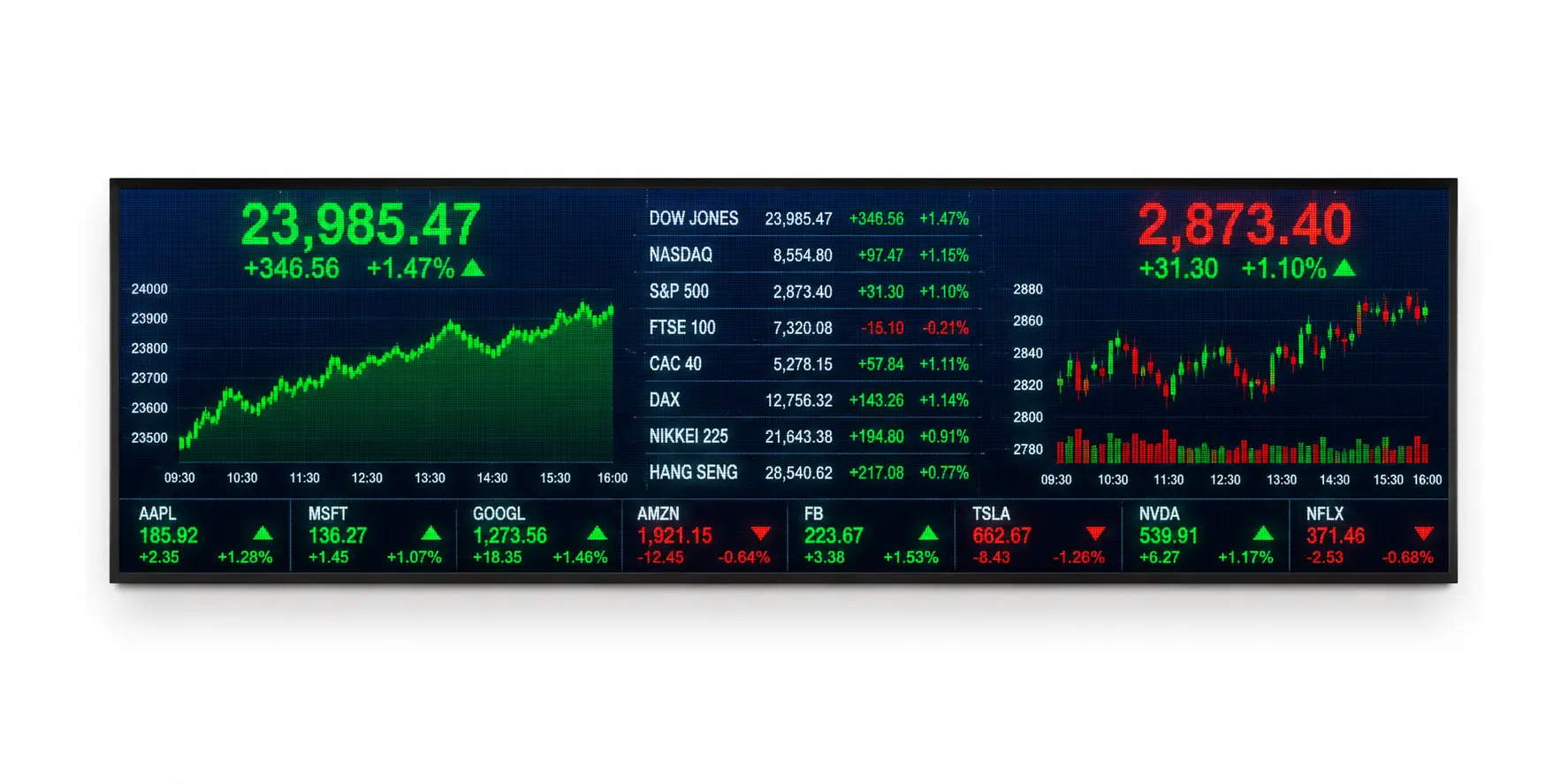
A Financial Ticker Display P3 is a high-resolution LED information display designed to showcase real-time financial data, investment updates, mutual...
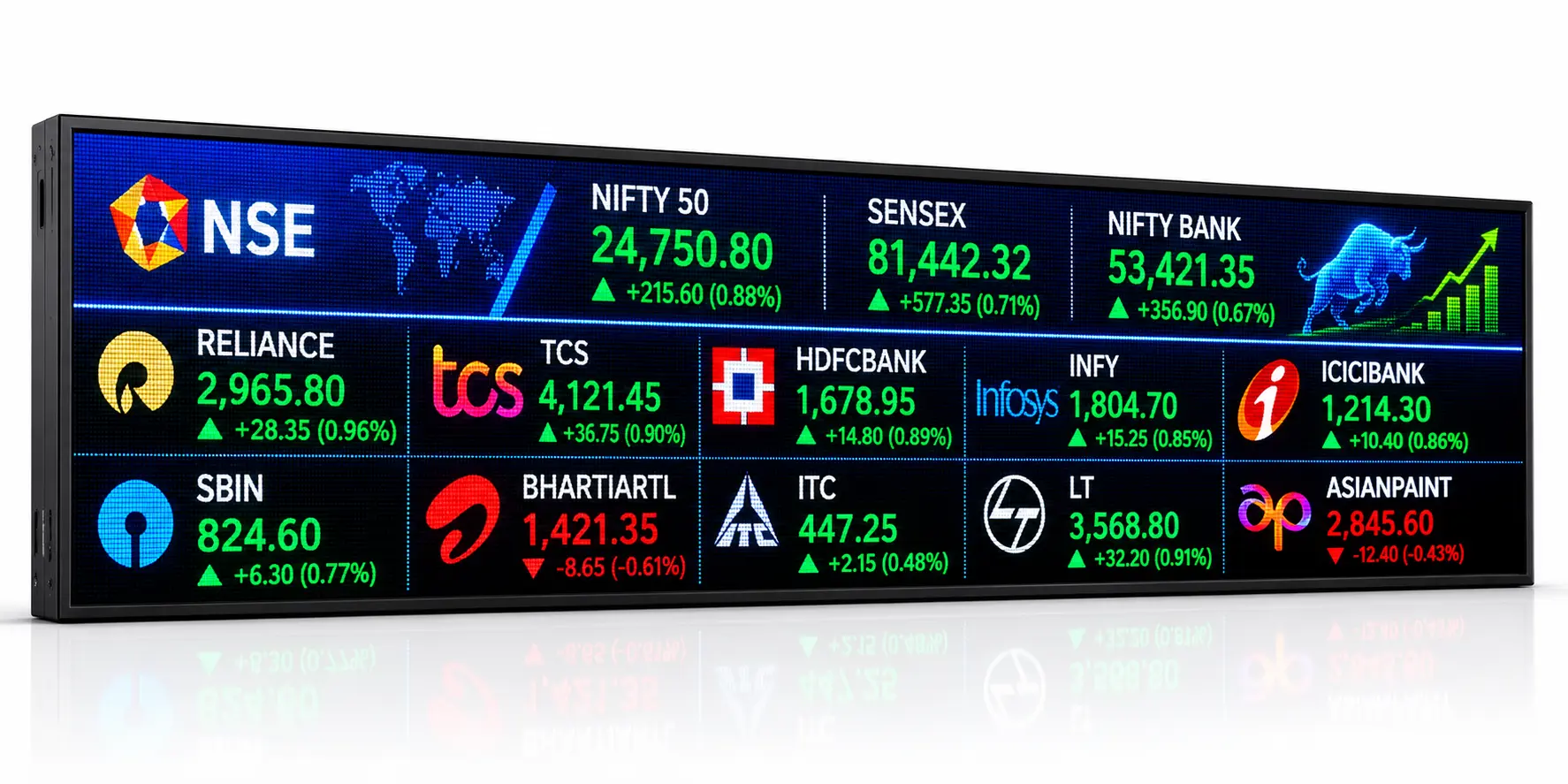
A Live Share Price LED Display Board P4 is a professional LED ticker display system designed to show real-time stock...
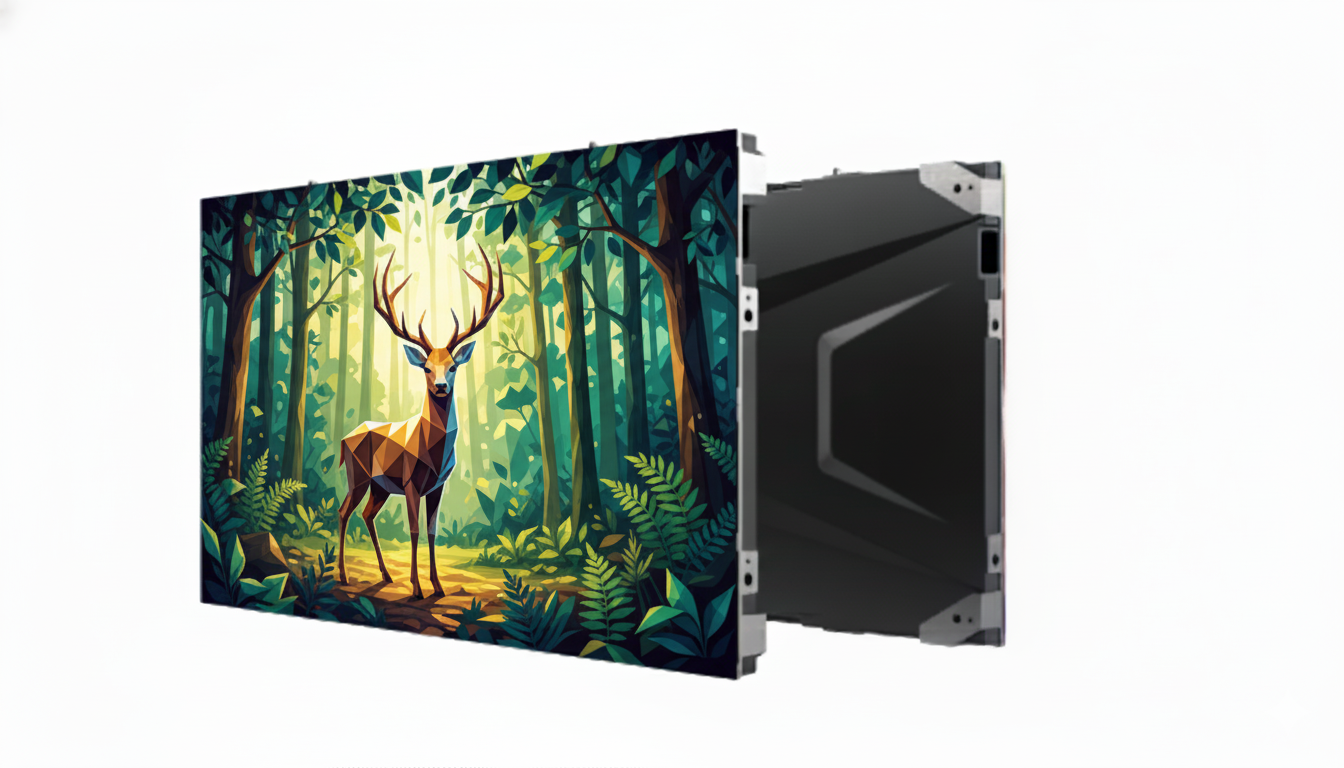
Elevate your indoor environment with our P4mm Indoor Active LED video wall, a premier solution for high-resolution signage. This seamless...
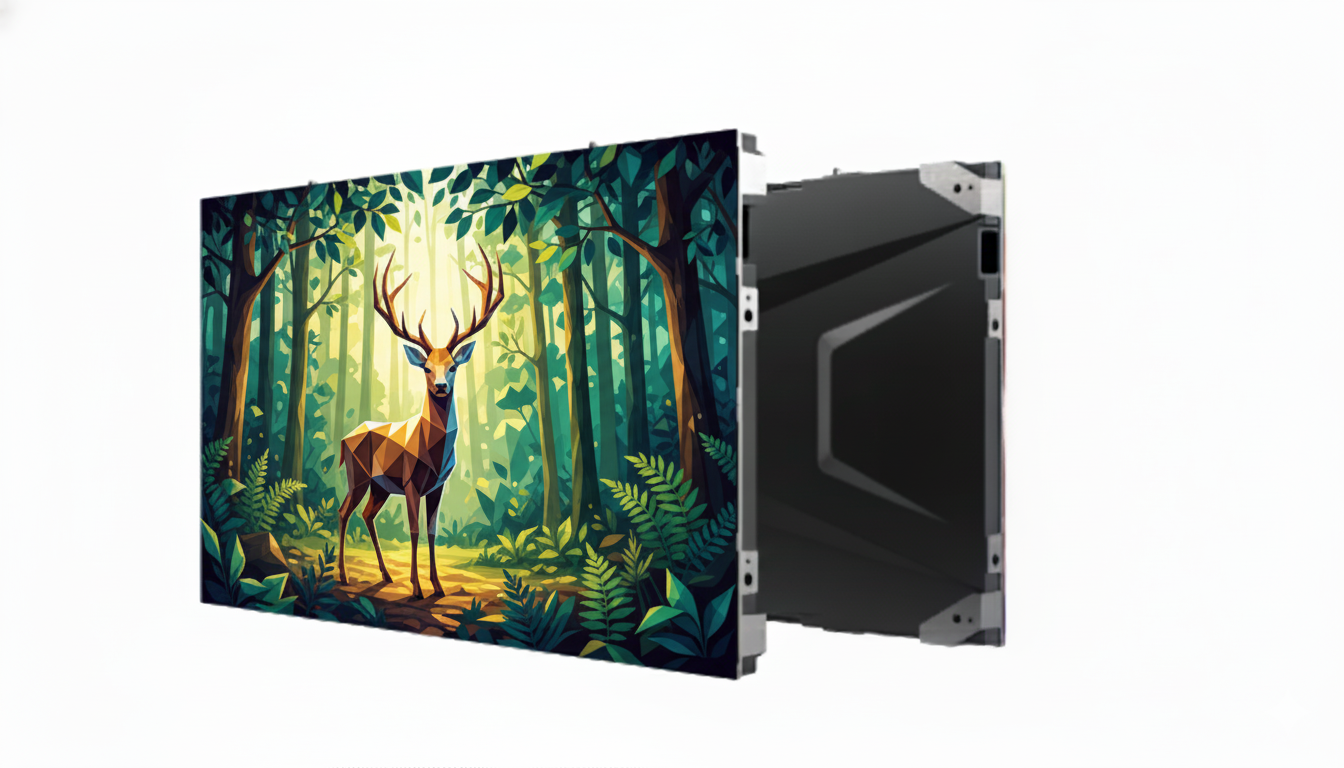
Transform your interior space with our P3.0mm Indoor Active LED display, the premium solution for high-resolution digital signage. This seamless...