October 07, 2025 Manisha Maurya
In the world of high-end retail, a simple transaction is no longer enough. Today's discerning consumer, armed with instant access to information and a desire for authenticity, expects more than just products; they crave an experience. They want to be captivated, to feel a connection with the brand, and to become part of a compelling story. This shift from transactional to experiential retail has put pressure on luxury brands and high-end showrooms to innovate.
Enter the interactive LED display—the secret weapon for creating these unforgettable, high-touch environments. Gone are the days of static posters and sterile, unchanging floor plans. Interactive LED displays are dynamic canvases that breathe life into a showroom, transforming a simple space into an immersive world. They are the convergence of art, technology, and commerce, designed to engage, educate, and delight the modern luxury consumer. This isn't just about showing off a product; it's about showcasing a lifestyle, a philosophy, and the intricate craftsmanship behind every item.
The term "interactive display" might sound simple, but its application in a luxury showroom is anything but. This technology goes far beyond a basic touch screen. Modern interactive LED displays integrate a variety of cutting-edge features to create a seamless, multi-sensory experience.
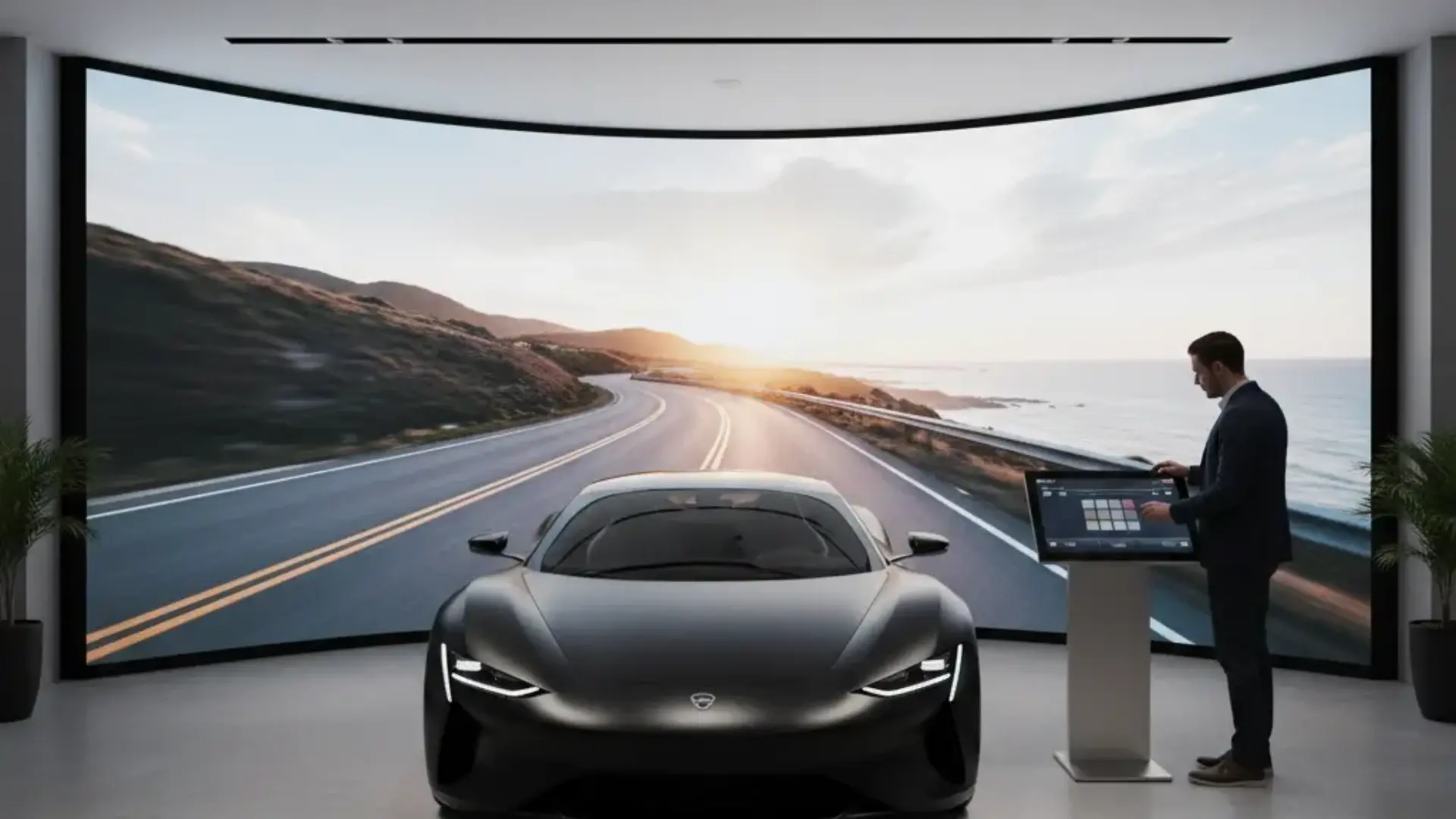
1. Touch-Enabled Surfaces: At its most fundamental, a touch-enabled LED display allows for direct, physical interaction. Customers can browse digital catalogues, explore product specifications, or customize a product in real-time. Imagine a customer designing their dream car on a massive, curved LED wall, selecting colors, materials, and features with a simple touch. This hands-on approach gives them a sense of ownership and personalizes the shopping journey from the very beginning.
2. Gesture and Motion Control: For an even more futuristic feel, motion sensors can detect a customer's movements, allowing them to control the display without touching it. This is particularly effective for high-value items like luxury watches or fine art, where a "no-touch" policy is desired. A simple wave of the hand could change a display, rotate a 3D model, or unveil a product's story, creating a magical, almost telekinetic experience.
3. Augmented Reality (AR) Integration: AR is a game-changer for interactive showrooms. By integrating an AR camera into an LED display, customers can "try on" products virtually. A luxury fashion retailer could let a customer see how a new collection looks on a virtual runway, or a high-end furniture brand could project their pieces into a digital replica of the customer's home, helping them visualize the item in context.
4. Data-Driven Personalization: This is where interactive displays truly become a secret weapon. By using sensors and integrating with a customer relationship management (CRM) system, displays can deliver personalized content. For example, a returning customer could be greeted with a personalized message and product recommendations based on their previous purchases. This level of personalization makes every visit feel exclusive and tailored, strengthening the customer-brand relationship.
The strategic deployment of interactive LED displays offers a multitude of benefits that go directly to the bottom line of a luxury business.
Creates an Immersive Brand Story: Luxury isn't just about the product; it's about the narrative. Interactive displays allow brands to tell their story in a powerful, visually compelling way. From the history of a master artisan to a behind-the-scenes look at the manufacturing process, these screens create a deeper, more emotional connection.
Drives Customer Engagement and Dwell Time: In the age of short attention spans, capturing and holding a customer’s attention is a victory. Interactive elements encourage customers to linger, play, and explore. The longer they stay engaged, the more likely they are to make a purchase.
Optimizes Space and Visual Merchandising: High-end real estate is expensive. Interactive displays allow showrooms to showcase a vast and ever-changing catalogue without needing physical stock on the floor. A single display can feature an endless aisle of products, allowing the showroom to remain uncluttered and focused on providing a serene, luxurious experience.
Gathers Valuable Customer Data: Every interaction on a smart display is a data point. Brands can learn what products customers are interested in, how long they spend on a particular item, and what features they explore. This information is gold for refining marketing strategies, personalizing future interactions, and optimizing product development.
Enhances Staff-Customer Interaction: Far from replacing human interaction, these displays empower showroom staff. A salesperson can use a display as a collaborative tool, guiding the customer through options and presenting information in a dynamic, professional manner.
The concept of the interactive showroom is already being brought to life by innovative brands around the world. These examples show how a well-executed strategy can transform a brand’s presence.
Audi City: A trailblazer in digital showrooms, Audi City combines physical cars with a fully digital experience. Customers can explore the entire range of Audi models on giant, floor-to-ceiling Power Walls, customize their vehicle in a stunning 3D visualization, and even hear what the engine sounds like. This allows them to experience hundreds of thousands of different configurations in a compact urban space.
Nike House of Innovation: This flagship store in New York City is a masterclass in interactive retail. Customers can use the Nike App to scan mannequins and learn more about products, send items to their fitting room with a tap, and even get personalized recommendations. The space is filled with innovative digital displays that seamlessly blend the physical and online worlds, creating an athletic sanctuary that’s both high-tech and human-centric.
For high-end showrooms, choosing the right interactive LED display isn't just about picking a screen size. It involves a strategic selection process to ensure the technology aligns with the brand's identity and goals.
Pixel Pitch and Resolution: For luxury showrooms where customers will view the display up close, a fine pixel pitch is critical. This ensures a stunningly crisp, high-resolution image without any visible pixilation.
Seamless Integration: The best displays are not an afterthought; they are an integral part of the architectural design. This includes the use of flexible and transparent LED screens that can be integrated into curved walls, floors, or even storefront windows to create a truly bespoke environment.
Content Management System (CMS): A powerful and intuitive CMS is vital. It allows the brand to update content, launch new campaigns, and personalize messages in real-time, ensuring the showroom experience is always fresh and relevant.
Durability and Longevity: Investing in high-quality, durable LED panels is crucial for a 24/7 retail environment. This ensures long-term reliability and a consistent, premium look.
Q1: What are the primary advantages of an interactive LED display over a traditional LCD screen in a showroom?
A1: The main advantages are brightness, seamlessness, and flexibility. LED displays are significantly brighter and can be used in spaces with high ambient light. They can be built into large, seamless video walls of any shape or size, unlike LCDs which have distracting bezels. Additionally, LEDs offer greater creative freedom and can be more energy-efficient, making them a more sustainable choice for modern showrooms.
Q2: How do interactive LED displays improve the customer experience?
A2: Interactive LED displays create an immersive and engaging customer experience by allowing for direct interaction with the brand story and products. They empower customers with information, enable real-time product customization, and provide a memorable, personalized journey that goes beyond traditional retail.
Q3: Is the investment in interactive LED technology worth it for a luxury brand?
A3: Absolutely. While the initial investment can be substantial, the return on investment (ROI) is significant. These displays drive higher customer engagement, increase dwell time, and provide valuable data for business intelligence. They are a long-term asset that future-proofs the showroom, elevates brand perception, and directly contributes to a more effective sales process.
Q4: How can a showroom use interactive displays to tell a better brand story?
A4: Showrooms can use these displays to showcase the brand's heritage, craftsmanship, and core values through dynamic video, high-resolution imagery, and interactive timelines. For example, a luxury watchmaker could have an interactive display where customers can explore the intricate movements of a timepiece in microscopic detail, or a fashion house could present a digital lookbook with behind-the-scenes footage of their latest collection.
Q5: What are some examples of interactive features to include in a showroom LED display?
A5: Key features include multi-touch interfaces for digital catalogs, gesture control for hands-free browsing, augmented reality for virtual try-ons or product placement, and integration with QR codes to link to online content. Incorporating gamification, where customers can play a quick game related to the brand's ethos, can also significantly boost engagement.
The modern consumer has fundamentally changed how they interact with brands. They are no longer passive recipients of information; they are active participants in a brand's world. Interactive LED displays are not a passing trend but an essential tool for high-end showrooms seeking to connect with this new generation of luxury buyers. By creating captivating, personalized, and data-rich environments, these displays transform a static showroom into a dynamic experience center. They are the future of retail, providing a powerful competitive edge that goes far beyond aesthetics.
Ready to revolutionize your showroom and captivate your customers? Discover how a bespoke interactive LED solution can bring your brand's vision to life. Contact our experts today to design your secret weapon for success.

 Buying guides
 Buying guides
 Buying guides
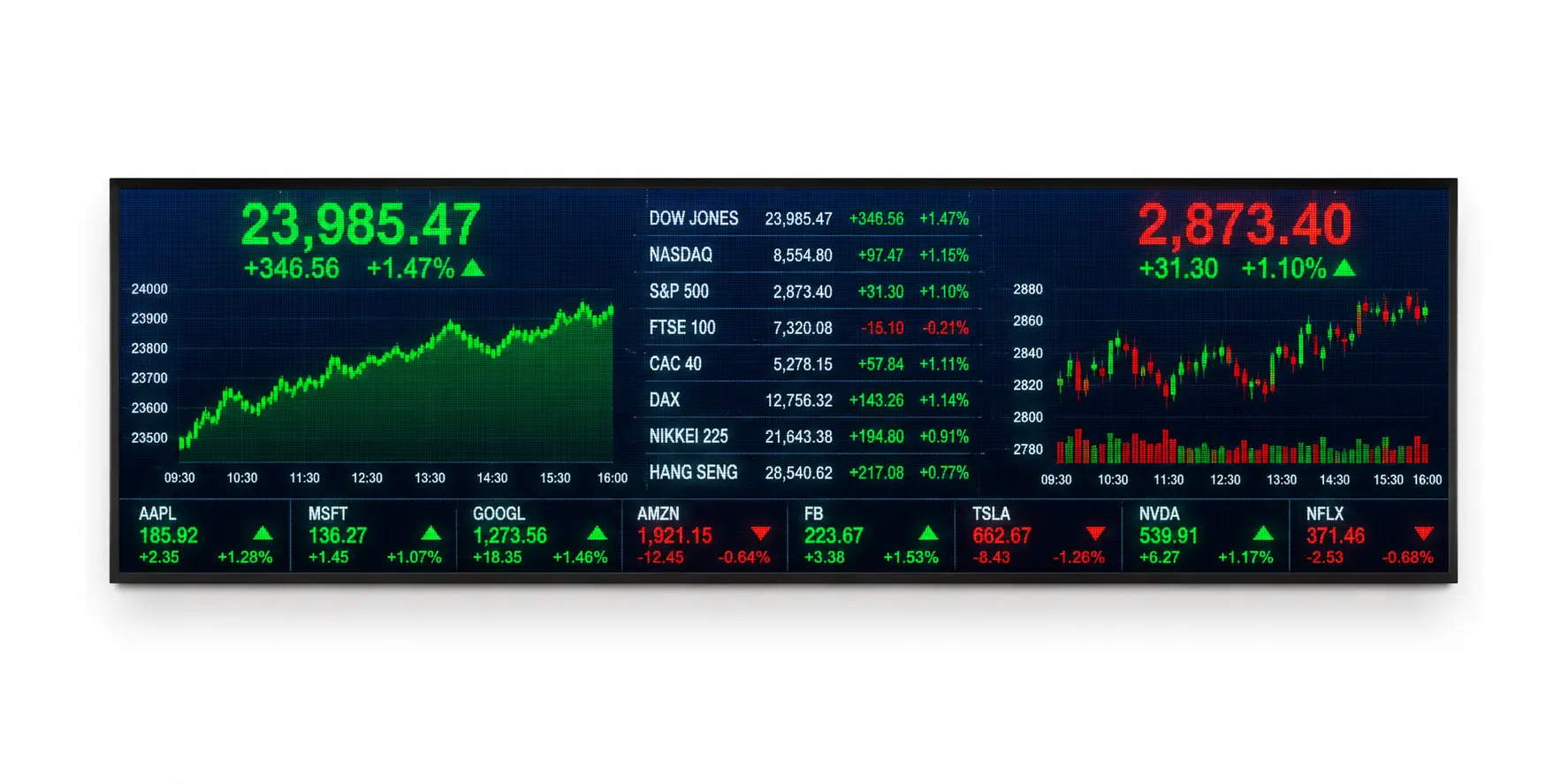
A Financial Ticker Display P3 is a high-resolution LED information display designed to showcase real-time financial data, investment updates, mutual...
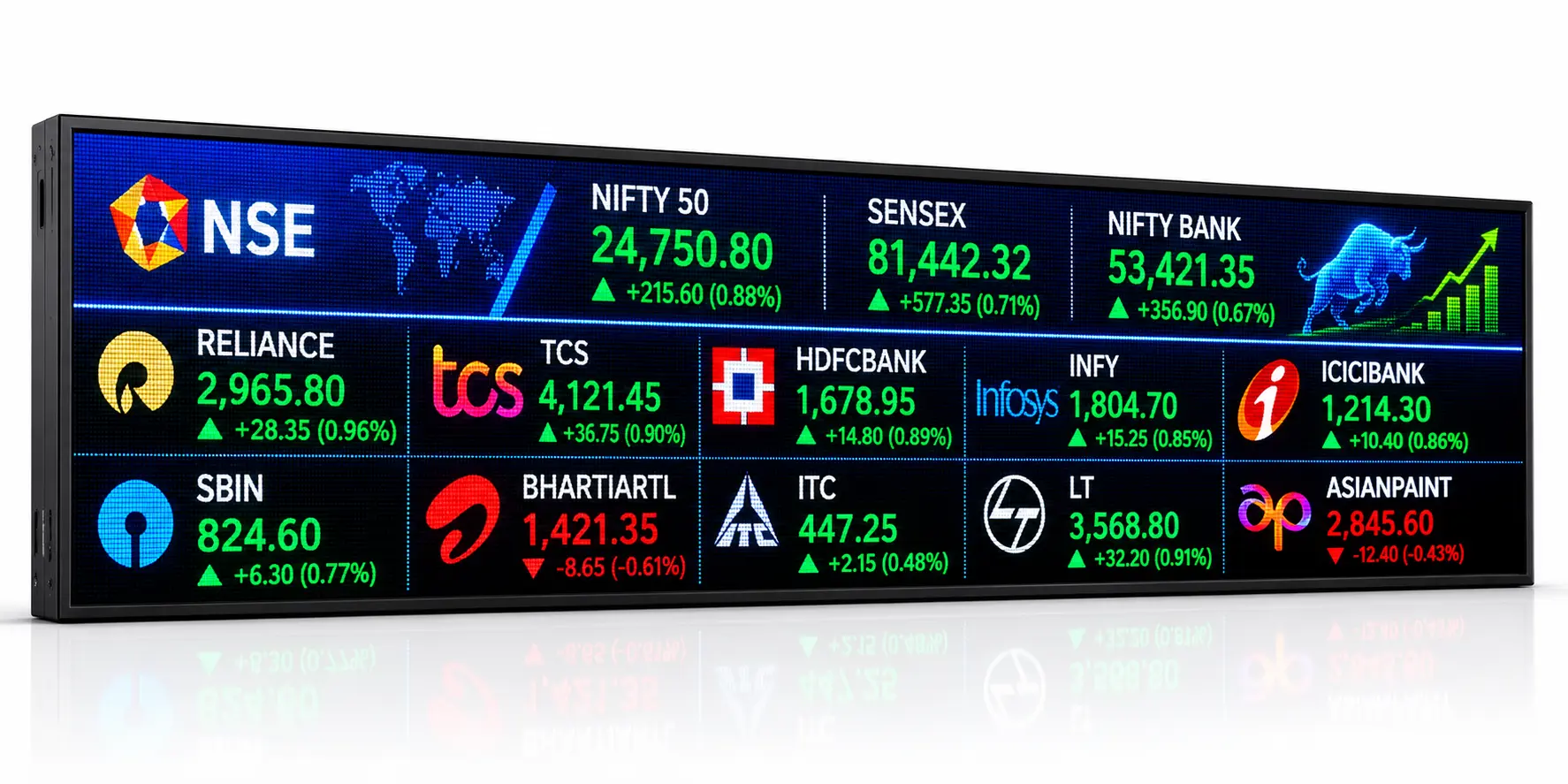
A Live Share Price LED Display Board P4 is a professional LED ticker display system designed to show real-time stock...
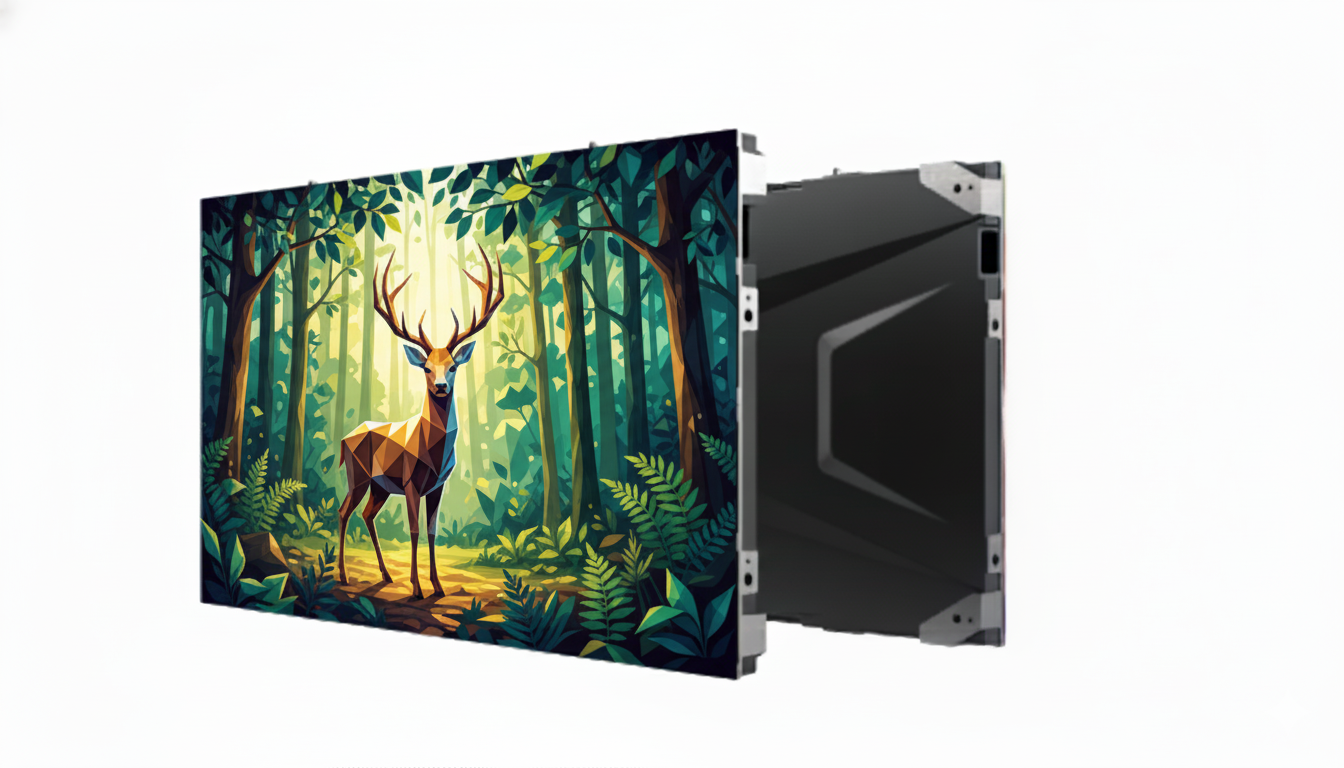
Elevate your indoor environment with our P4mm Indoor Active LED video wall, a premier solution for high-resolution signage. This seamless...
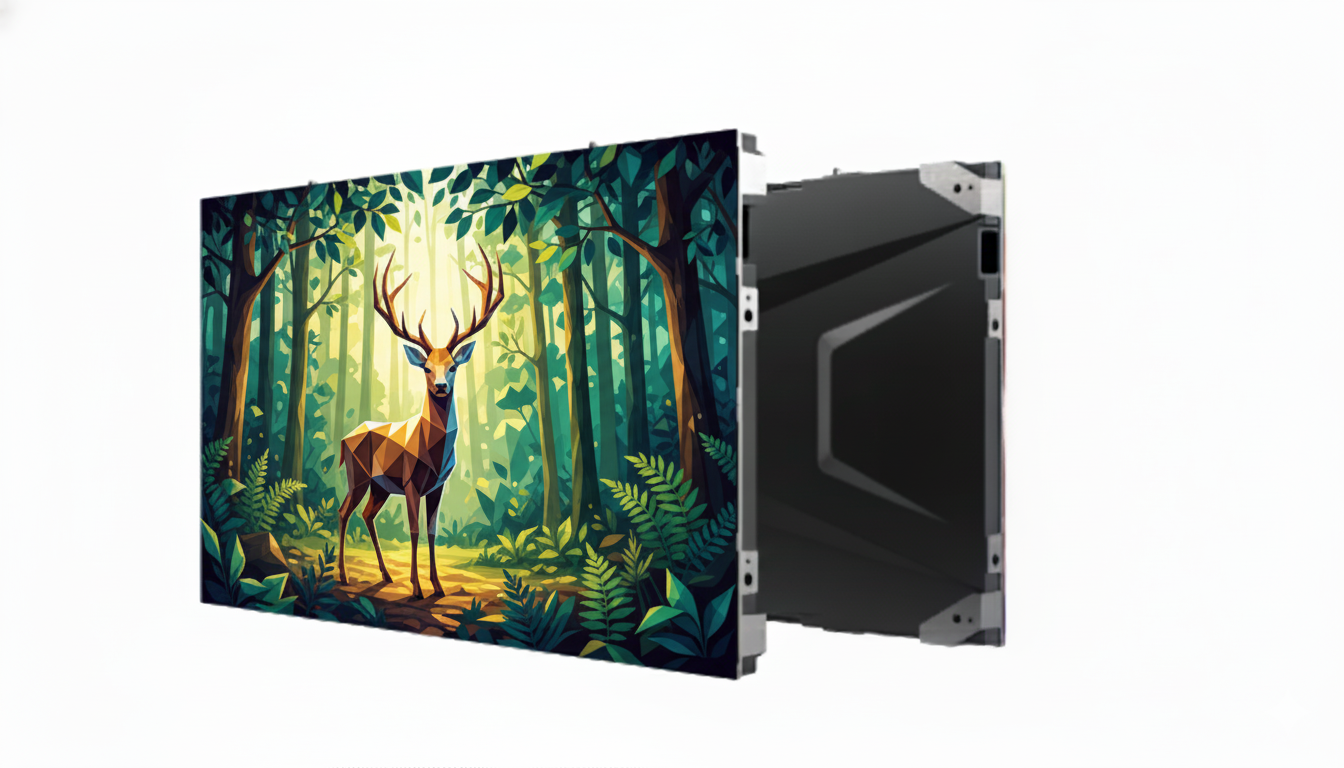
Transform your interior space with our P3.0mm Indoor Active LED display, the premium solution for high-resolution digital signage. This seamless...