October 06, 2025 Manisha Maurya
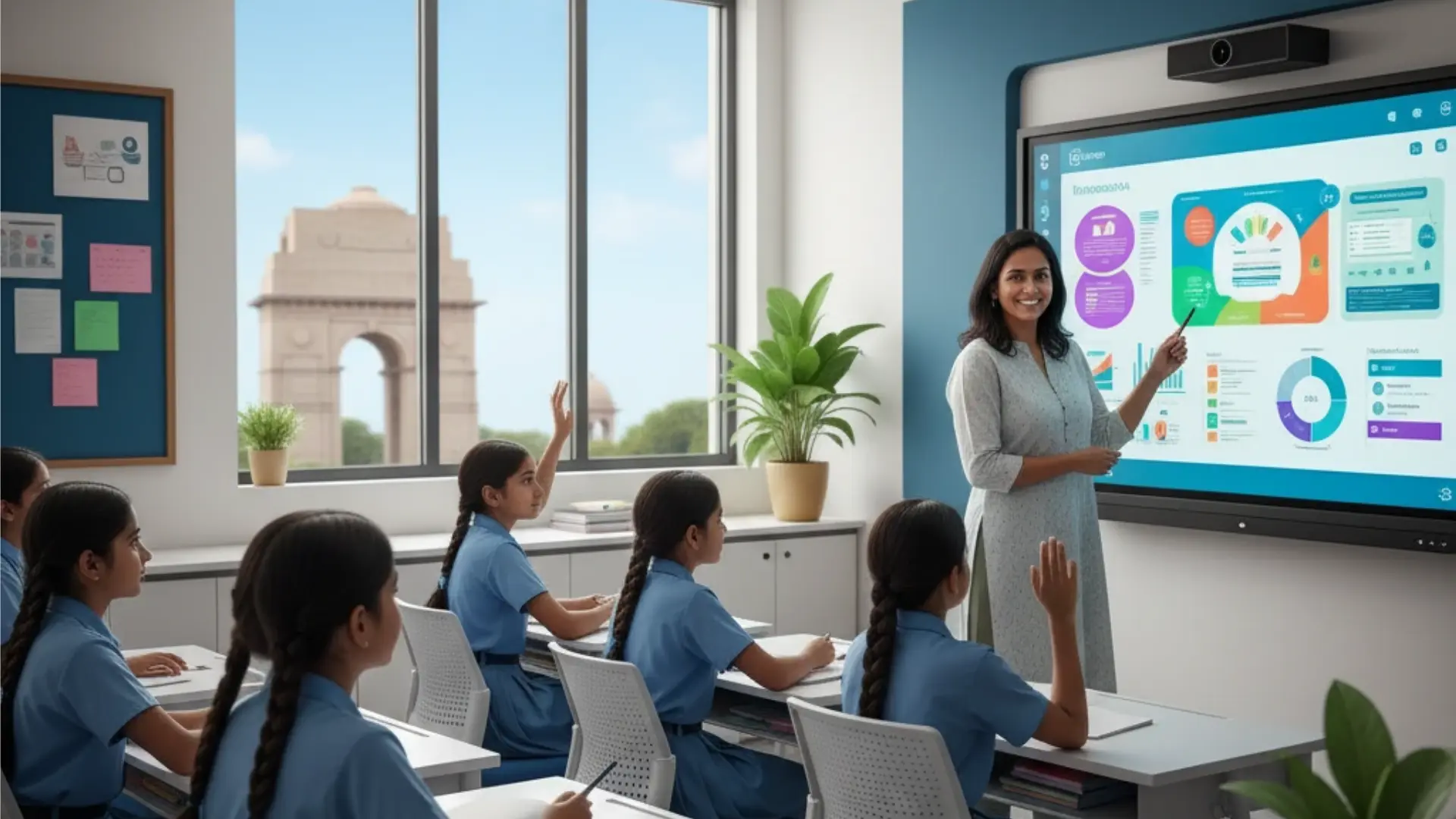
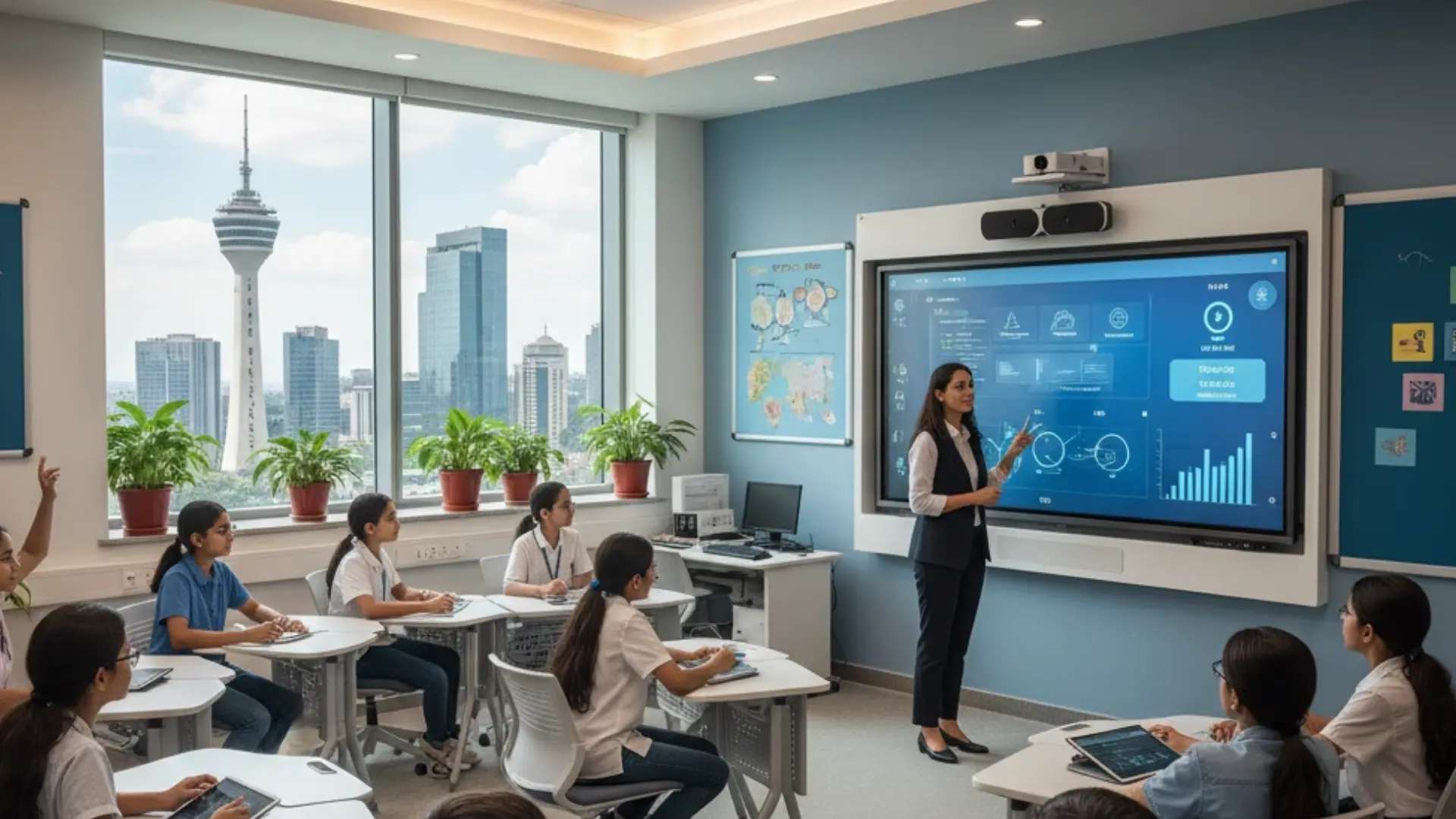
The education landscape in Delhi is undergoing a profound transformation. Moving beyond the confines of traditional chalk-and-talk, schools in the capital are at the forefront of a major push towards smart learning. This initiative is not merely about introducing new gadgets; it's a strategic effort to overhaul the pedagogical approach and create a more dynamic, inclusive, and effective learning environment for students. Driven by a significant government push and an increasing awareness of the benefits of EdTech, Delhi schools are adopting interactive panels, AI-powered tools, and digital resources on an unprecedented scale. This blog post explores the key initiatives and trends shaping the future of education in the National Capital Territory, providing a deep dive into how smart learning is changing the way students in Delhi engage with their curriculum.
The Delhi government has made a clear commitment to digital education, backing its vision with substantial financial investment. In a landmark move, the Delhi Cabinet has sanctioned a budget of over ₹900 crore for the transformation of government schools. This ambitious project aims to convert thousands of classrooms into modern, digitally-equipped learning spaces, with a particular focus on Classes 9 to 12.
Installation of Interactive Panels: The core of this project is the large-scale installation of interactive flat panel displays. These are not just screens but a hub for collaboration and interactive lessons. The plan includes the installation of nearly 19,000 such displays in a phased manner.
AI and Robotics Labs: To prepare students for the careers of tomorrow, the government is also setting up specialized labs equipped with AI, robotics, and 3D printers. This hands-on approach aims to foster innovation and practical skills from a young age.
CM Shri Schools: A total of 75 schools are being developed as a model for other schools under the ambitious CM Shri Schools initiative. These institutions are being equipped with cutting-edge technology, including smart classrooms with AR and VR capabilities, digital libraries, and language labs.
Teacher Training: Recognizing that technology is only as good as its user, the government has integrated comprehensive teacher training modules into its plans. Educators are being trained to effectively use smart boards and other digital tools to enhance their teaching methods and improve learning outcomes.
This comprehensive approach demonstrates a clear understanding that a successful smart learning ecosystem requires more than just hardware; it demands a synergy of content, pedagogy, and infrastructure.
The shift to smart learning is having a tangible impact on the educational experience in Delhi. The interactive nature of interactive displays is changing the dynamic of the classroom, moving it from a passive to an active environment.
Enhanced Student Engagement: The use of multimedia content, from animated videos to interactive simulations, captures students' attention and makes complex concepts easier to understand. Students are no longer just listening; they are touching, manipulating, and exploring content on the screen, which leads to better retention and a deeper understanding of the subject matter.
Personalized Learning: The integration of AI-powered tools and smart boards allows teachers to offer a more personalized learning experience. Teachers can use data from interactive quizzes and polls to identify students who are struggling and provide targeted support.
Fostering Collaboration: The multi-touch capabilities of interactive flat panels encourage students to work together on projects, brainstorm ideas, and solve problems on a shared digital canvas. This fosters essential teamwork and communication skills.
Improved Teacher Efficiency: With digital tools and preloaded content, teachers can streamline lesson planning and delivery. The ability to save and share digital notes with students frees up valuable class time for more meaningful discussions and hands-on activities.
A recent study revealed that students in smart classrooms in Delhi showed a significant improvement in their academic performance, particularly in subjects like science and mathematics, compared to those in traditional classrooms.
Q1: What is the main objective of the Delhi government's smart classroom project?
A: The primary objective is to modernize the educational infrastructure in government schools to align with the goals of the National Education Policy (NEP) 2020. This includes fostering experiential and personalized learning, bridging the digital divide, and preparing students with 21st-century skills.
Q2: Will all classrooms in Delhi government schools be converted to smart classrooms?
A: While the government has an ambitious plan to convert thousands of classrooms, the initial focus is on Classes 9 to 12. The goal is to gradually expand the project to cover all classrooms in the coming years.
Q3: Does the government provide digital content along with the smart boards?
A: The government is focusing on providing high-quality digital infrastructure. However, as noted in expert opinions, to ensure maximum impact, it is crucial that this hardware is accompanied by high-quality, preloaded digital content that is curriculum-aligned.
Q4: How does this initiative benefit teachers?
A: Teachers are at the heart of this transformation. The initiative provides them with advanced tools to make teaching more effective and engaging. The integrated training programs equip them with the skills to use the technology, while features like automated grading and lesson planning save them valuable time.
Q5: What are some of the challenges in implementing this project?
A: Challenges include ensuring consistent internet connectivity, providing adequate and continuous teacher training, and integrating a robust Learning Management System (LMS) to track usage and measure impact. Without these, the hardware risks becoming underutilized. The government is working to address these issues to ensure the project's success.
The journey of Delhi schools towards smart learning in 2025 is a powerful example of how a strategic vision, coupled with decisive action, can transform education. The shift to smart classrooms is not just about technology; it’s about empowering students, enabling teachers, and creating an equitable learning environment for all. By investing in interactive flat panels, AI tools, and comprehensive training, Delhi is setting a new benchmark for public education in India and is a clear leader in the ongoing digital revolution.
Ready to explore the technology behind this transformation? Check out our guide on how to choose the right smart class setup for your school to learn more.



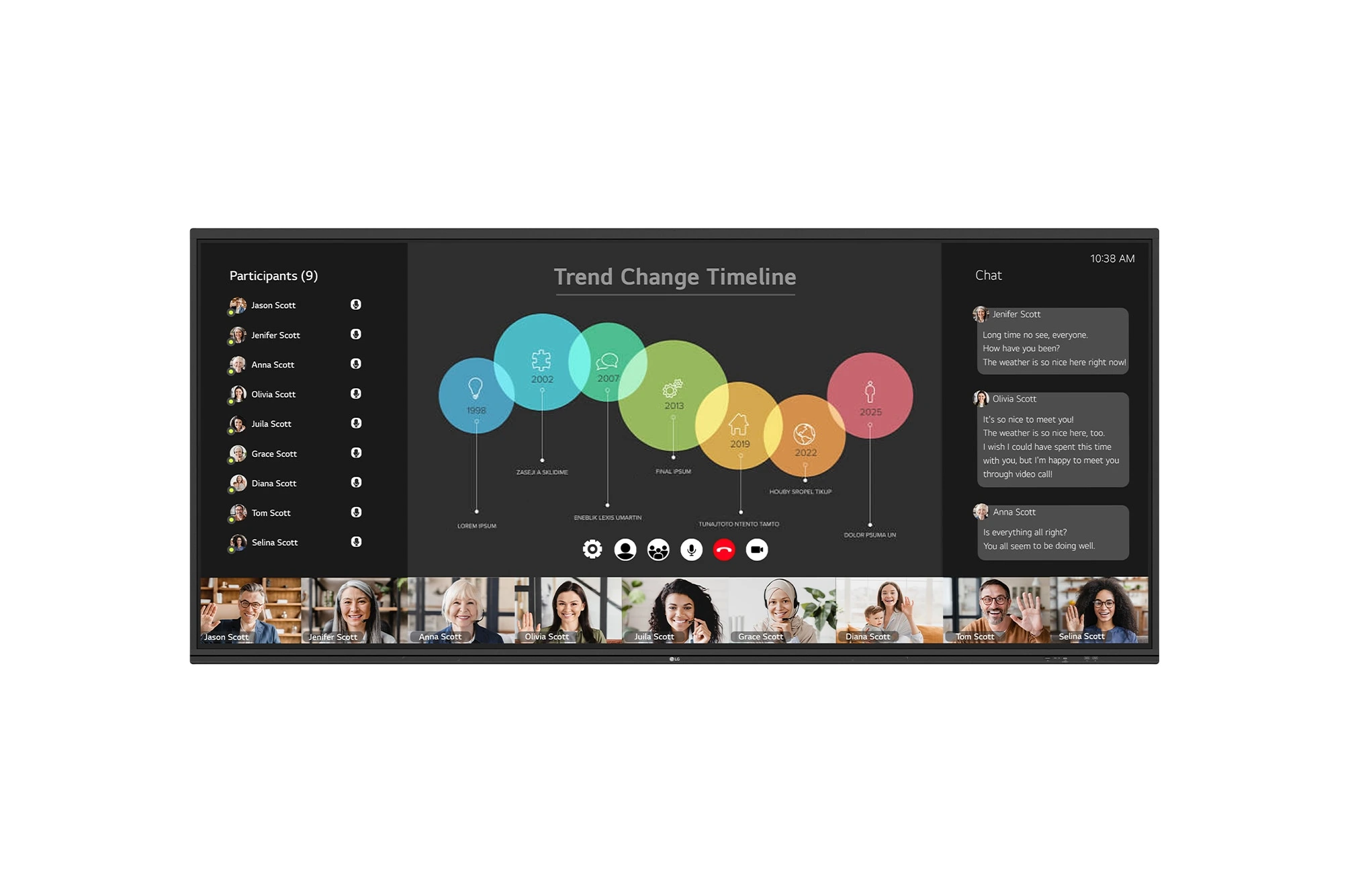
The LG CreateBoard 105TR5WP-I is a premium 105-inch 5K UltraWide (21:9) interactive display designed for modern meeting rooms, hybrid collaboration,...
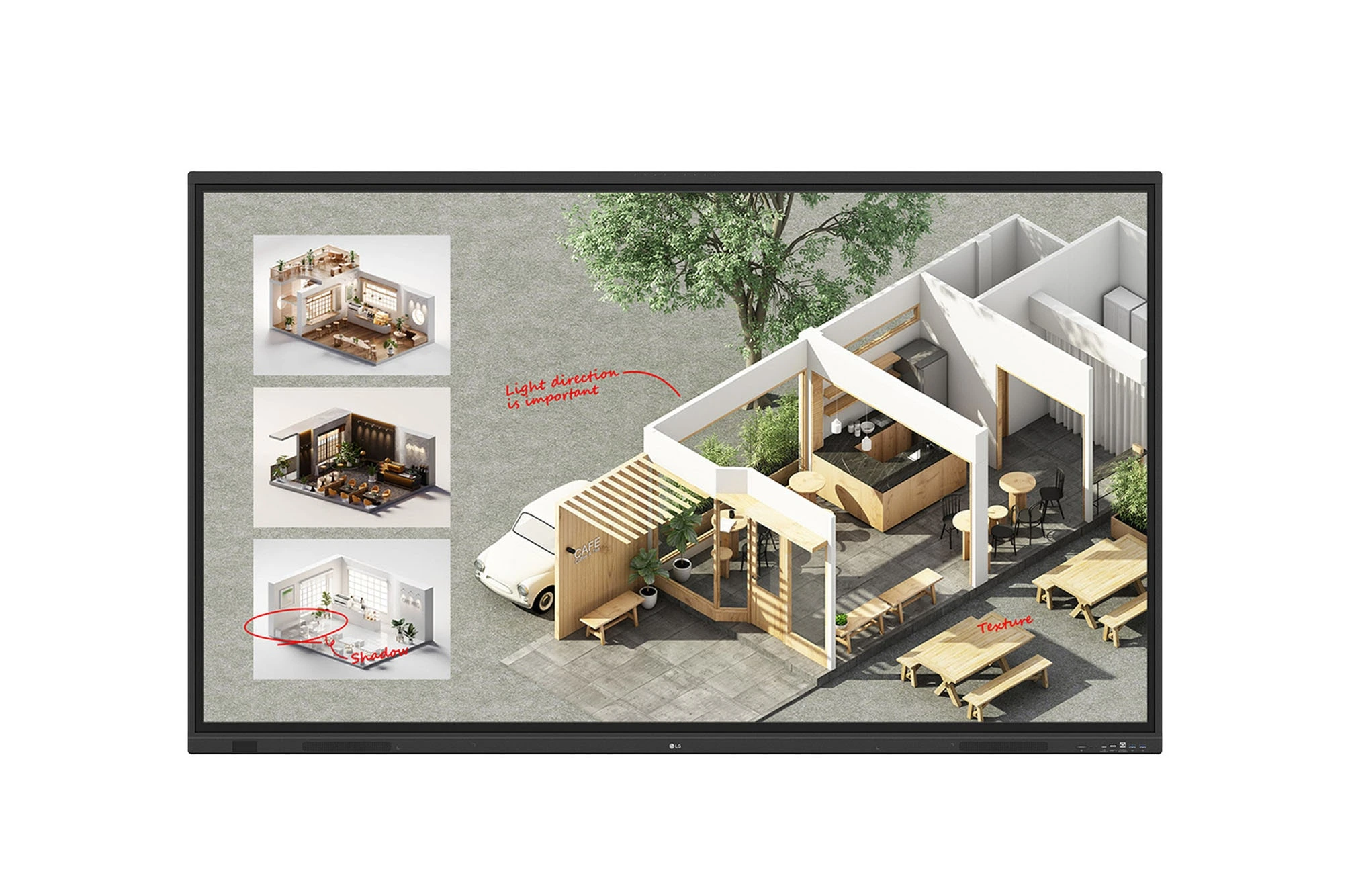
The LG CreateBoard Standard 86TR3DQ-I is an 86-inch 4K UHD Interactive Flat Panel Display designed for classrooms, corporate meeting rooms,...
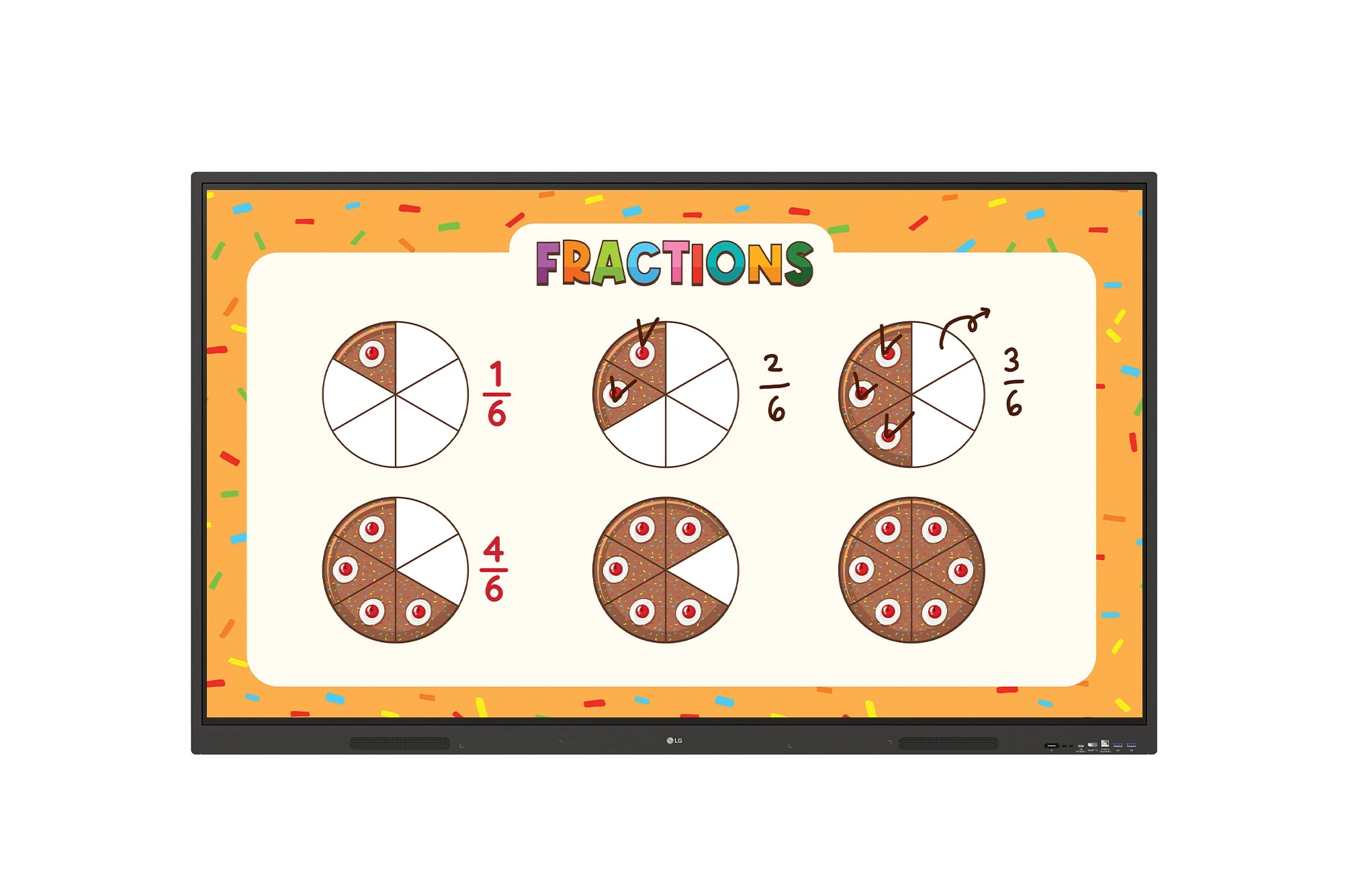
The LG CreateBoard 86TR3ER-I is an 86-inch 4K UHD interactive flat panel designed for modern classrooms, corporate meeting rooms, and...
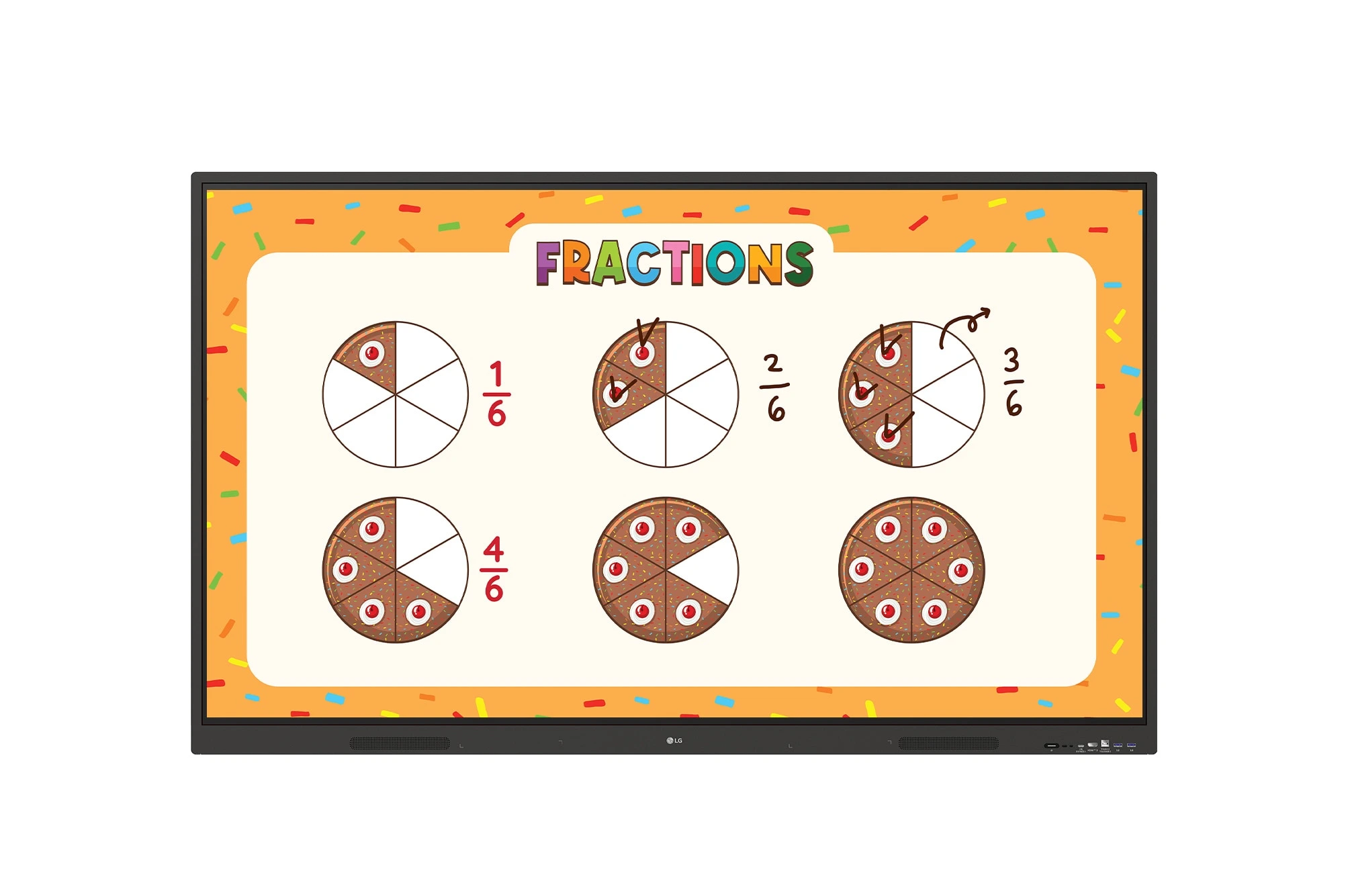
The LG CreateBoard 75TR3ER-I is a premium 75-inch 4K UHD Interactive Flat Panel designed for classrooms, training centers, and corporate...