October 06, 2025 Manisha Maurya
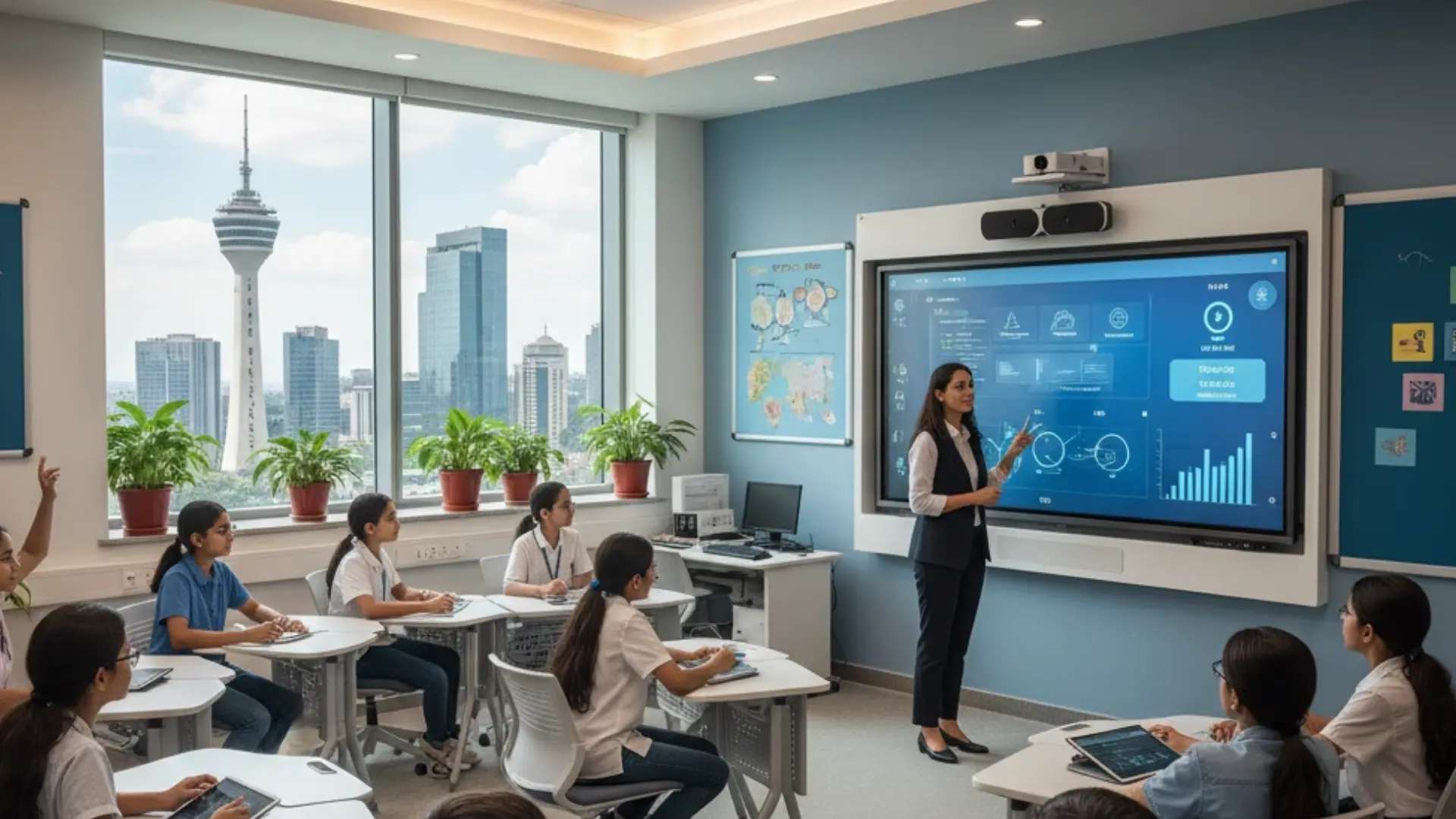
The education sector in Noida is experiencing a significant and visible transformation. Once a city defined by traditional educational institutions, Noida is now at the forefront of the smart learning revolution in India. This shift is particularly evident in the rapid adoption of interactive panels, which are quickly replacing conventional chalkboards and projectors. Schools in Noida are making this move not just for the sake of modernizing their infrastructure but to fundamentally change the way students learn and teachers instruct. This trend is driven by a desire for improved student engagement, better learning outcomes, and a commitment to preparing students with the 21st-century skills they will need to succeed. This blog post explores the key reasons why more schools in Noida are moving to interactive panels, detailing the benefits, the drivers, and the long-term vision behind this technological leap.
For decades, the projector and whiteboard were considered the pinnacle of classroom technology. While they were a step up from the chalkboard, they came with their own set of limitations.
Projectors: They are often cumbersome, require a separate screen or a clean wall, and the image is easily washed out by ambient light. This makes lessons difficult to see in well-lit classrooms. They also require frequent and costly bulb replacements, adding to long-term maintenance expenses.
Traditional Whiteboards: While a cleaner alternative to chalkboards, they are still a static medium. Content cannot be saved or shared easily, limiting students' ability to review lessons later. They also restrict real-time interaction with digital content.
This traditional setup created a passive learning environment where the teacher was the sole source of information, and students were primarily note-takers. The lack of dynamic content and interactivity often led to disengagement, especially among a generation of students who have grown up with touchscreens and immersive digital experiences.
Interactive flat panels (IFPs) are not just a better display; they are an all-in-one hub for a modern, collaborative, and effective classroom. Their adoption in Noida's schools is a direct response to the shortcomings of older technologies.
This is the number one reason schools in Noida are making the switch. An interactive panel transforms the classroom from a passive space to an active one.
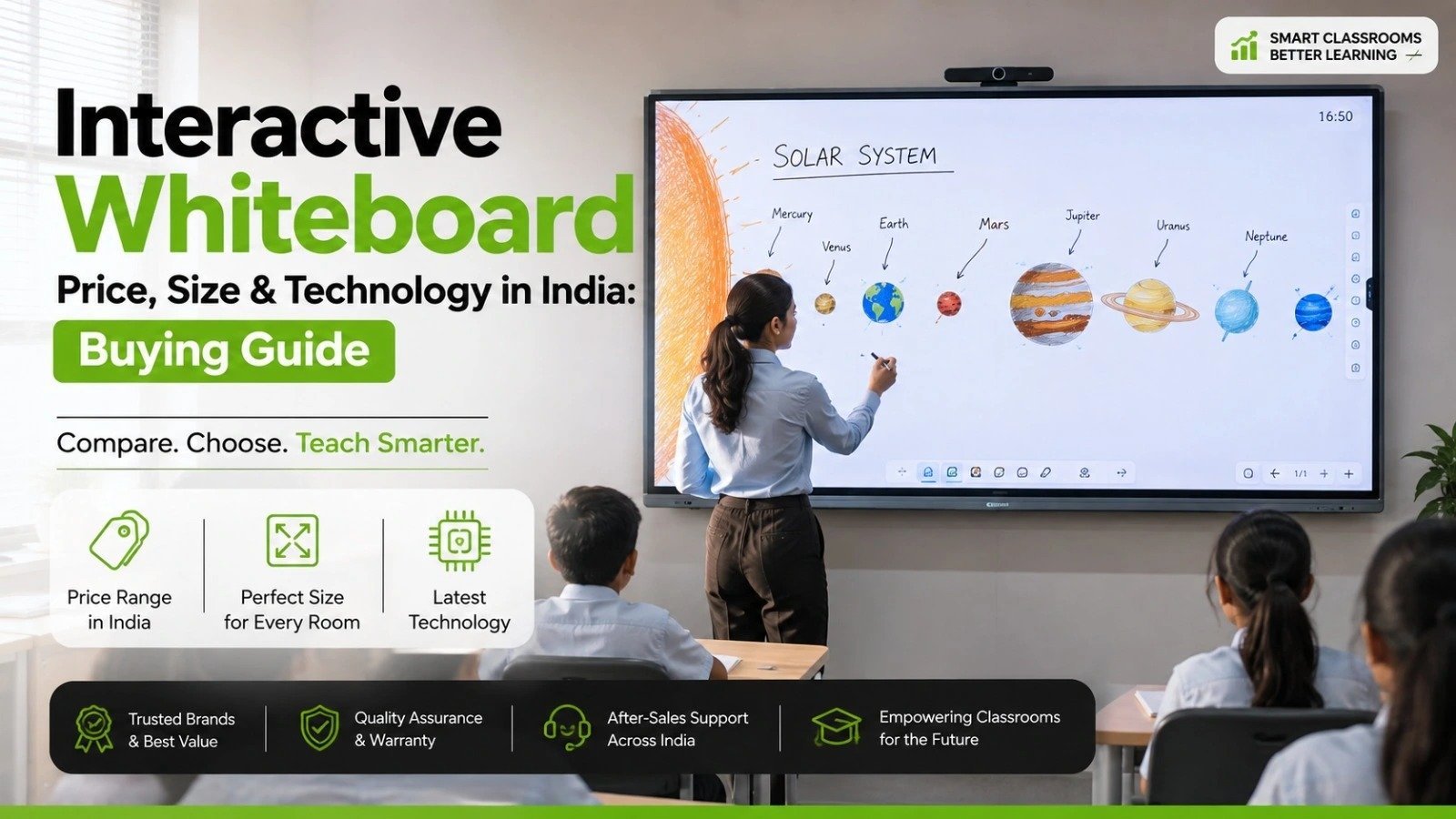
Hands-On Learning: Students can come up to the board and solve problems, draw diagrams, or manipulate on-screen objects with a simple touch. This kinesthetic learning experience is far more memorable than passive viewing.
Multimedia Integration: Teachers can seamlessly switch between showing a video, an animated simulation, and a live web page, all on a single screen. This multi-modal approach caters to different learning styles and makes complex topics more accessible.
Collaborative Activities: The multi-touch capabilities of most IFPs allow several students to work on the screen simultaneously. This promotes teamwork, problem-solving, and communication skills, which are highly valued in the modern educational framework.
Noida's schools, whether they are in the city's bustling sectors or emerging residential areas, understand the importance of clear and healthy learning.
Crystal-Clear Display: Unlike projectors, which are susceptible to shadows and ambient light, IFPs offer a brilliant, high-resolution 4K display. Every student, from the front row to the back, can see the content clearly, with no distortion or wash-out.
Eye Care Technology: Leading brands offer features like anti-glare screens and low blue light filters, which reduce eye strain and fatigue, a major concern for students who spend long hours in the classroom.
Healthier Environment: The complete elimination of chalk dust and dry-erase marker fumes creates a cleaner, healthier classroom environment for both teachers and students.
Interactive panels are powerful tools that empower teachers to be more effective and creative.
All-in-One Solution: An IFP replaces a projector, a computer, a sound system, a whiteboard, and often, even a document camera. This reduces clutter and simplifies the setup process.
Time-Saving Tools: Teachers can prepare lessons in advance, save them to the cloud, and access them from any interactive panel. They can annotate over any document, save the notes, and share them with students, eliminating the need for students to frantically copy every detail.
Real-Time Assessment: Many panels come with integrated polling and quizzing tools that allow teachers to conduct instant formative assessments. This provides immediate feedback on student comprehension, allowing teachers to adjust their lesson on the fly.
The adoption of interactive panels in Noida is not happening in a vacuum. Several key factors are accelerating this trend in the city's competitive educational landscape.
Competitive Pressure: Noida is home to some of the most prestigious schools in India, and the competition to attract and retain students is intense. Schools are investing in EdTech to offer a superior, future-ready learning experience and maintain a competitive edge.
Alignment with NEP 2020: The National Education Policy (NEP) 2020 strongly advocates for the use of technology to improve the quality of education. Noida's schools are actively embracing this directive, with interactive flat panels serving as the central hub of their new digital infrastructure.
Growing Affordability and Local Support: The increasing number of smart class providers in India has led to more competitive pricing and better after-sales service. Local branches and dedicated support teams in Noida and Greater Noida make it easier for schools to manage and maintain this technology.
The Hybrid Learning Mandate: The post-pandemic world has made hybrid learning a permanent fixture. Interactive panels, with their integrated cameras, microphones, and screen-sharing capabilities, are the perfect tool to seamlessly bridge the gap between in-person and remote students.
Q1: How much does it cost to install an interactive panel in a school in Noida?
A: The cost can vary widely based on the size of the panel, the brand, and the included software. A high-quality interactive panel can range from ₹1.5 lakh to ₹3 lakh per classroom. However, many providers offer EMI options and schools can also explore government grants and schemes to offset the cost.
Q2: Are interactive panels suitable for all grade levels?
A: Yes. The benefits of interactive panels are universal. For younger students, the tactile, hands-on experience of drawing and playing interactive games makes learning fun and engaging. For older students, the panels facilitate complex data visualization, collaborative projects, and peer presentations, preparing them for college and careers.
Q3: How do schools in Noida ensure teachers are trained to use this technology effectively?
A: All leading smart class providers in Noida offer comprehensive professional development programs. This training goes beyond basic operation and focuses on how to integrate the technology into daily lessons to improve pedagogical outcomes. The goal is to make teachers confident and proficient users of the new tools.
Q4: Will interactive panels replace teachers?
A: No, absolutely not. Interactive panels are powerful tools that enhance the teacher's role. With technology handling administrative and data-heavy tasks, teachers are free to focus on what they do best: mentoring, fostering critical thinking, and building meaningful relationships with their students.
Q5: What are the main benefits for parents of students in schools with interactive panels?
A: Parents can expect their children to have a more engaging and effective learning experience. The ability to save and share lesson notes digitally means parents can stay more informed about their child's studies. The technology also helps schools demonstrate their commitment to providing a modern, high-quality education.
The move by schools in Noida to interactive panels is a clear signal of the city's commitment to building a future-ready education system. It's a strategic investment that delivers on multiple fronts: it boosts student engagement, empowers teachers, and aligns with national educational goals. As the adoption of this technology continues to grow, it is clear that the modern classroom in Noida is no longer defined by the tools of the past but by a dynamic, interactive, and collaborative environment that prepares students to thrive in a digital-first world.
Ready to explore the technology behind this transformation? Check out our guide on how to choose the right smart class setup for your school to learn more about selecting the best interactive displays for your needs.


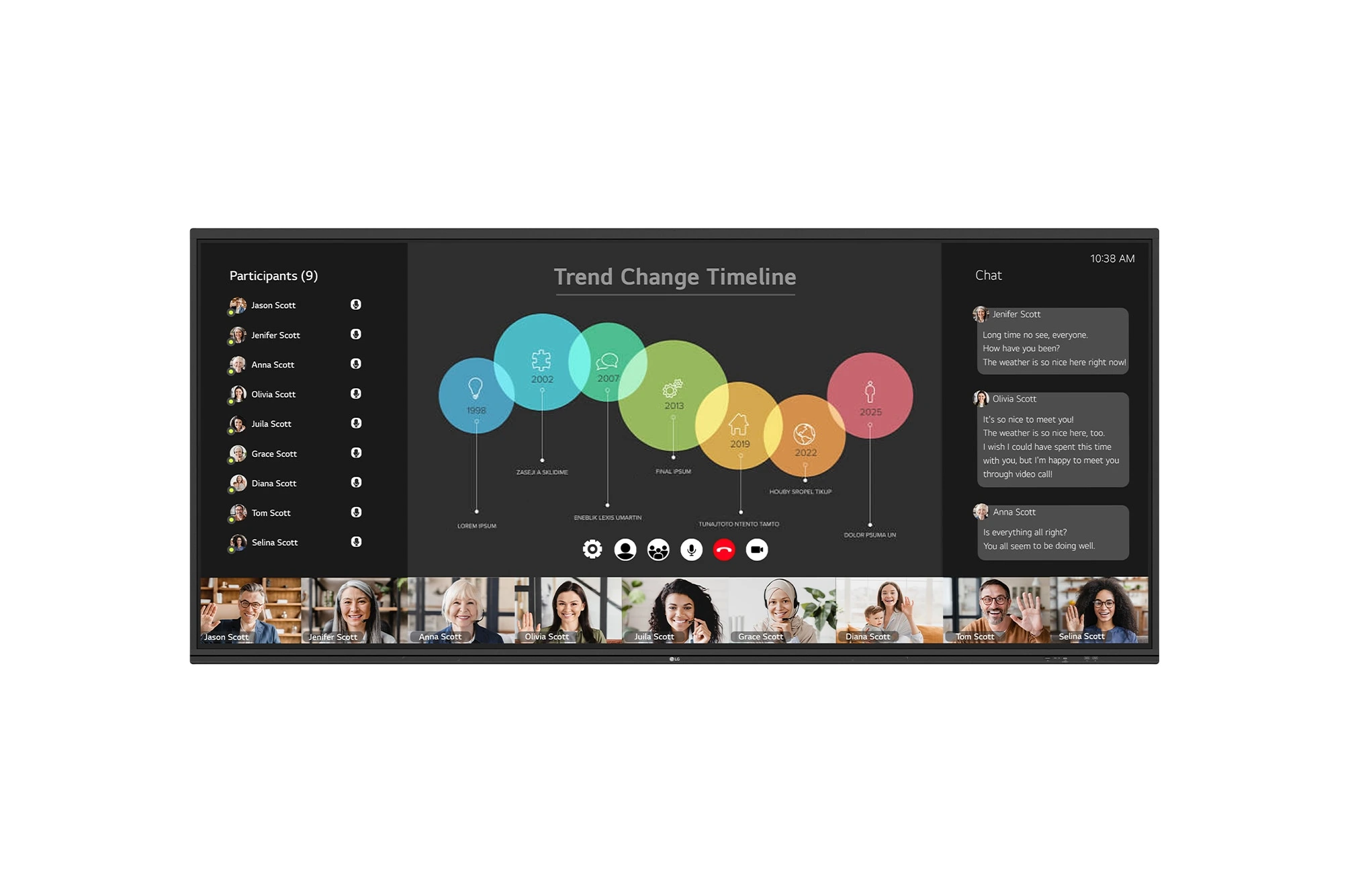
The LG CreateBoard 105TR5WP-I is a premium 105-inch 5K UltraWide (21:9) interactive display designed for modern meeting rooms, hybrid collaboration,...
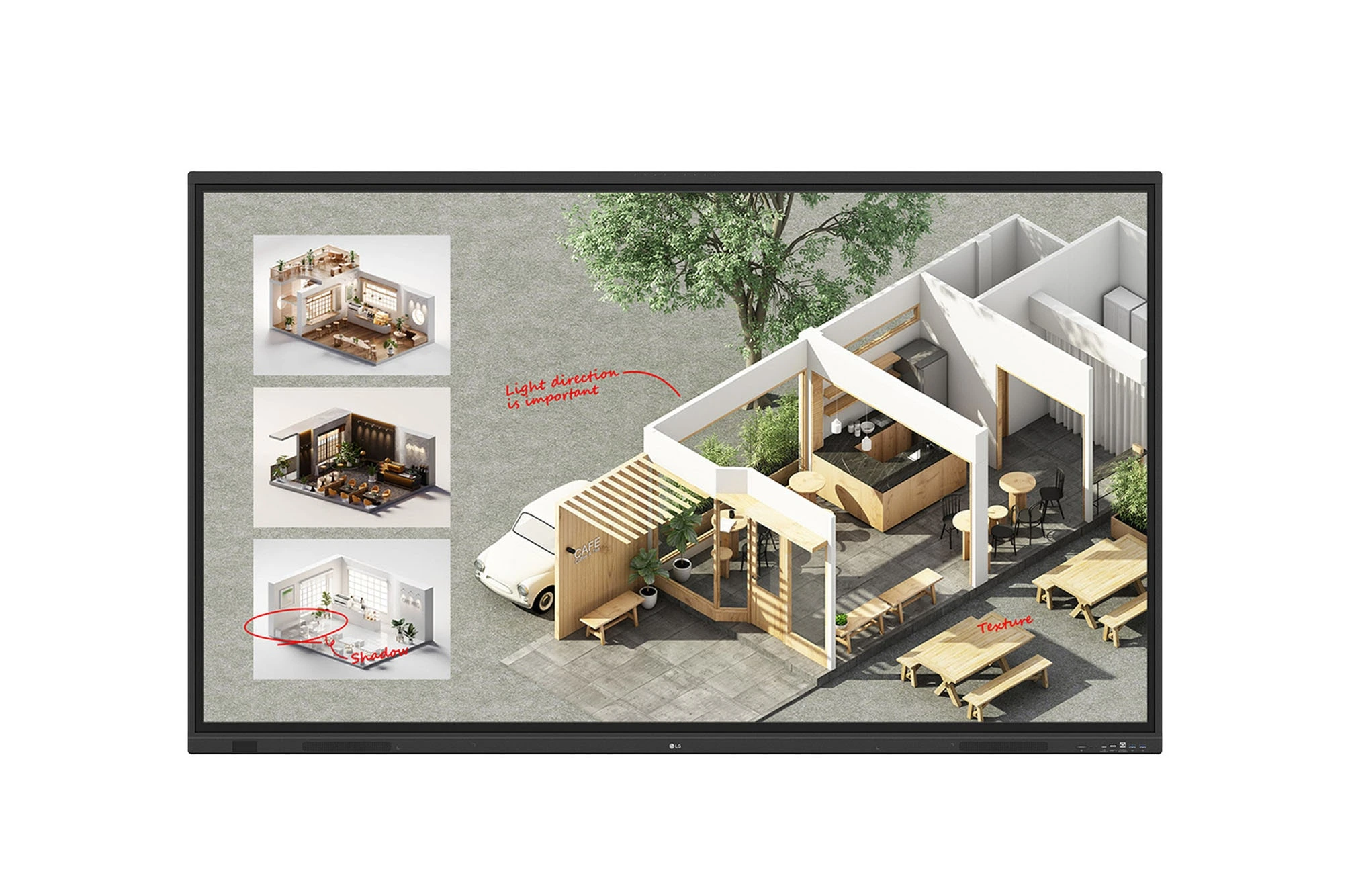
The LG CreateBoard Standard 86TR3DQ-I is an 86-inch 4K UHD Interactive Flat Panel Display designed for classrooms, corporate meeting rooms,...
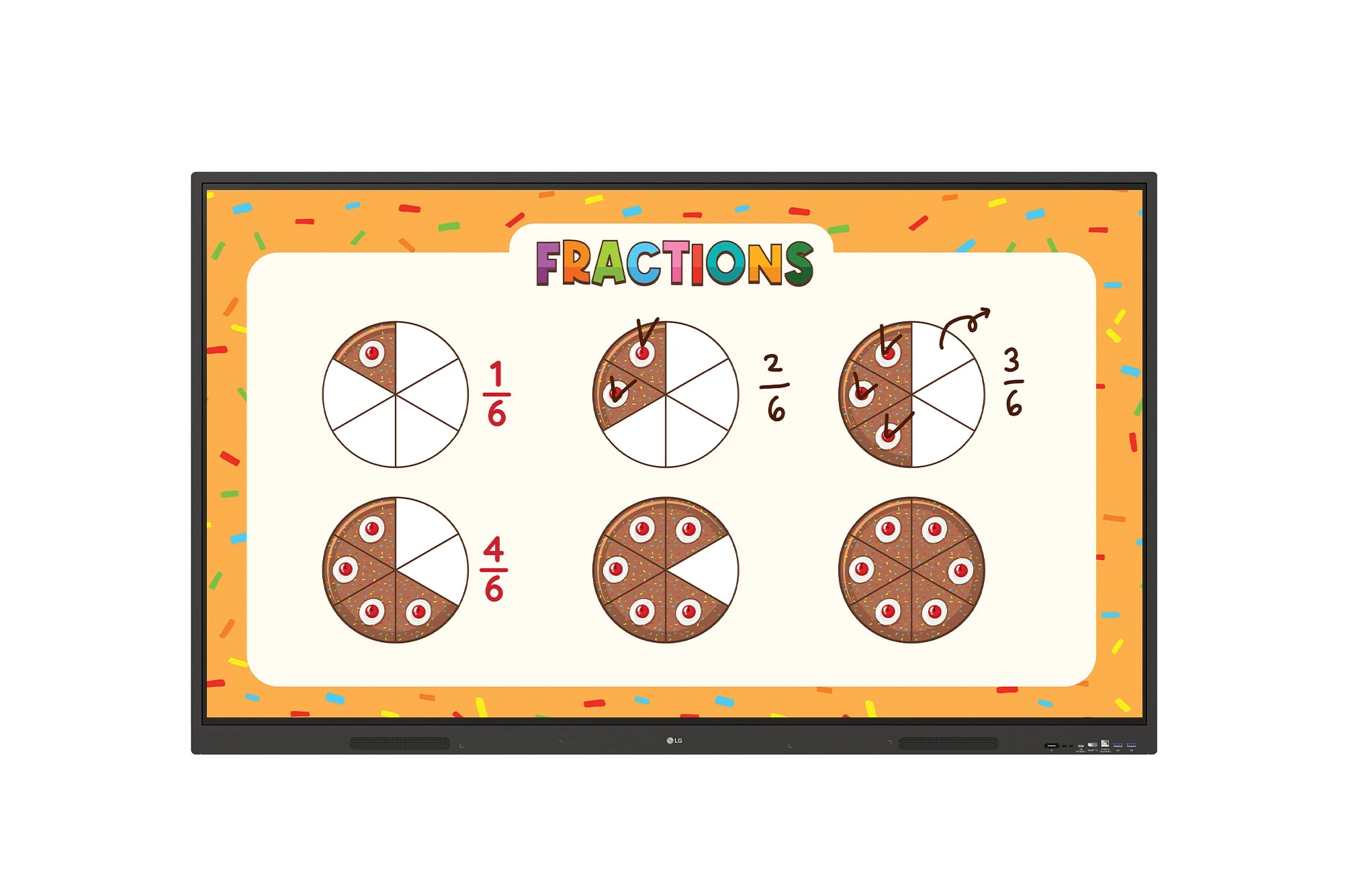
The LG CreateBoard 86TR3ER-I is an 86-inch 4K UHD interactive flat panel designed for modern classrooms, corporate meeting rooms, and...
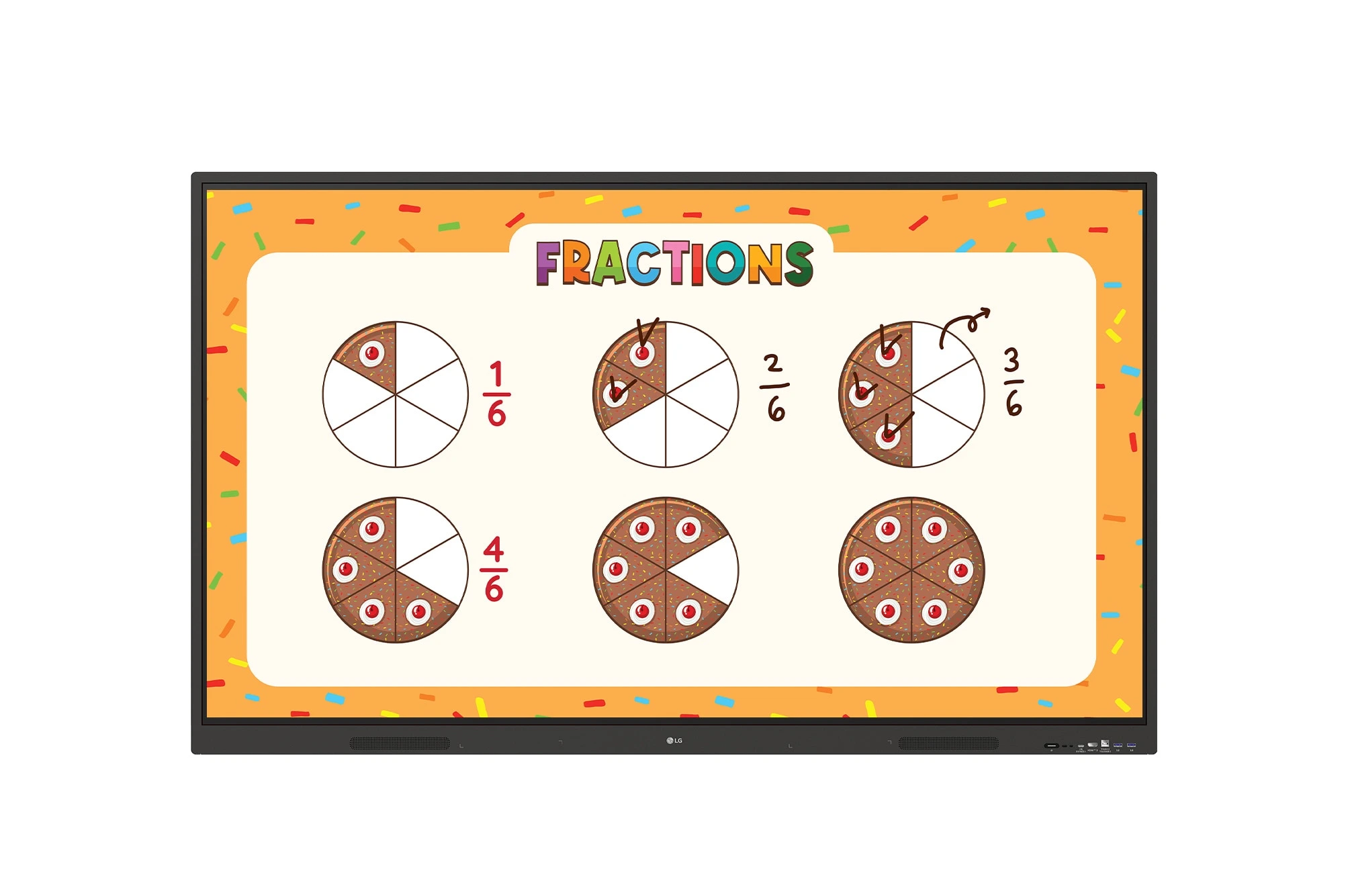
The LG CreateBoard 75TR3ER-I is a premium 75-inch 4K UHD Interactive Flat Panel designed for classrooms, training centers, and corporate...