March 25, 2026 Manisha Maurya
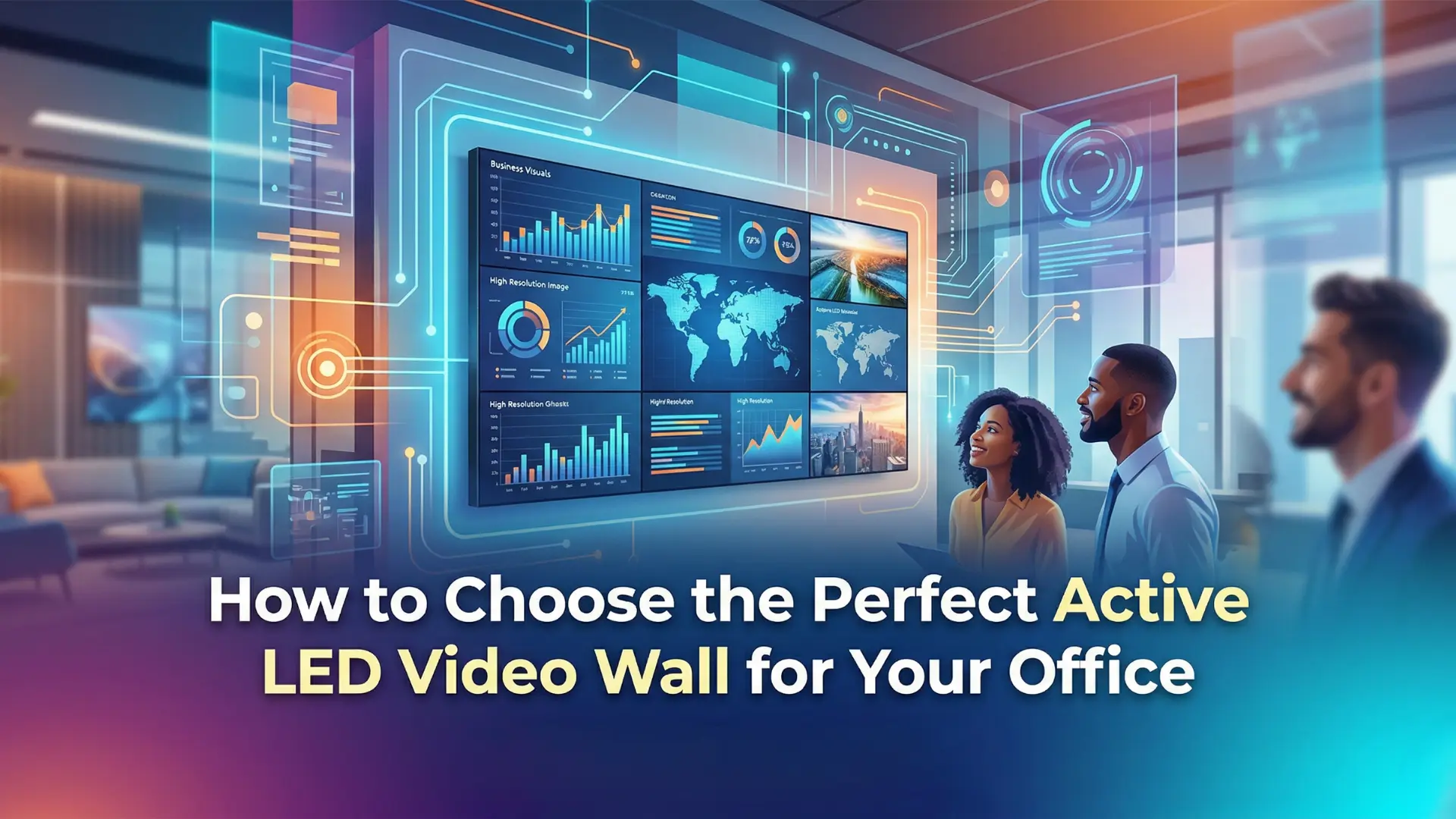
What is the best active LED video wall for an office?
For most corporate offices, the best active LED video wall (also known as direct view LED or dvLED) features a fine pixel pitch between 1.2mm and 2.5mm, offers indoor brightness levels of 800 to 1,500 nits, and includes front-serviceable modular panels. These specifications ensure crisp, seamless, and vibrant visuals for boardrooms and lobbies without the distracting grid lines seen in traditional LCD video walls.
An Active LED video wall—frequently referred to in the AV industry as Direct View LED (dvLED)—is a large display made up of smaller, seamless LED modules.
Unlike traditional LCD screens that use a white backlight shining through a liquid crystal layer, active LED displays use microscopic, individually controlled light-emitting diodes (LEDs) to create the image directly.
The main benefits include:
Zero Bezels: Modules connect perfectly, creating an uninterrupted, seamless image.
Infinite Scalability: You can build a wall to any size, shape, or aspect ratio.
Superior Brightness: Easily cuts through the glare of sunlit conference rooms.
The shift from projectors and LCDs to dvLED in the corporate world isn't just a trend; it's a massive leap in functional productivity. Here is where we are seeing them deployed most effectively:
Executive Boardrooms: For high-stakes presentations and hybrid meetings (using layouts like Microsoft Teams Front Row), a seamless ultra-wide display ensures remote participants appear life-sized and data remains incredibly sharp.
Corporate Lobbies: First impressions count. Companies are using massive, curved, or wrap-around LED walls to display brand stories, digital art, and welcome messages to clients.
Control Rooms & NOCs: Network Operation Centers require 24/7 reliability. Active LED panels boast lifespans of 100,000+ hours without image burn-in.
Do not buy an LED wall based on price alone. To get the best return on your investment, evaluate these four critical specifications:
Pixel pitch is the distance (in millimeters) between the center of one LED pixel and the next. A smaller number means a higher resolution and a sharper image.
The general rule of thumb is 8 feet of viewing distance for every 1 millimeter of pixel pitch.
Boardrooms (Close Viewing): Choose 1.2mm to 1.5mm. Viewers sitting right at the conference table need high resolution.
Lobbies/Auditoriums (Distant Viewing): Choose 2.0mm to 2.5mm. If the audience is further back, you can save money with a wider pitch without losing perceived image quality.
Offices are generally well-lit with overhead fluorescents and natural window light. Look for indoor panels rated between 800 and 1,500 nits. If you are placing a screen in a direct sun-facing window, you will need semi-outdoor panels pushing 3,000+ nits.
Technology fails—it is an unavoidable reality. When an LED diode goes out, you don't want to dismantle the entire wall. Always opt for front-serviceable LED panels. This allows an AV technician to use a magnetic suction tool to pop out a single module from the front, replacing it in seconds without disrupting the structural integrity of the wall.
These walls are heavy. Ensure your AV integrator assesses your office walls. If the drywall cannot bear the load, you will need a customized wall-mounted ground support truss or a freestanding mount to ensure the safety of your employees and your equipment.
Still on the fence? Here is a quick breakdown of how direct view LED stacks up against the older LCD technology.
| Feature | Active LED (dvLED) | Traditional LCD Video Wall |
| Bezels (Seams) | Completely seamless | Visible grid lines between screens |
| Brightness | High (800 - 1,500+ nits) | Moderate (500 - 700 nits) |
| Lifespan | ~100,000 hours | ~50,000 hours |
| Viewing Angle | Extremely wide, no color shift | Limited, glare can be an issue |
| Initial Cost | Higher investment | Lower initial cost |
Costs vary wildly based on size and pixel pitch. A standard 130-inch boardroom dvLED setup with a fine pixel pitch (1.5mm) can range anywhere from $40,000 to over $100,000. While the upfront cost is higher than LCDs, the lower maintenance and longer lifespan often result in a better total cost of ownership (TCO).
Older models did, but modern indoor dvLED panels are highly energy-efficient. They generate minimal heat and do not require loud, dedicated cooling fans, ensuring your boardroom stays quiet and comfortable.
Absolutely. The LED wall acts as a massive monitor. Paired with the right video processor and a dedicated PC or unified communications device, it integrates flawlessly with Zoom, Teams, Webex, and standard digital signage software.
Upgrading to an active LED video wall is a transformative decision for any modern office. By choosing the correct pixel pitch for your room's viewing distance, ensuring you have adequate brightness, and prioritizing front-serviceable models, you will invest in a visual solution that engages clients and empowers your team for years to come.
Skip the bargain-bin overseas models with no support, and partner with a reputable AV integrator who understands the structural and technical needs of a corporate installation.
Author Note: This guide was compiled by commercial AV specialists with years of experience designing, integrating, and maintaining enterprise-grade visual communication systems.

 Buying guides
 Buying guides
 Buying guides
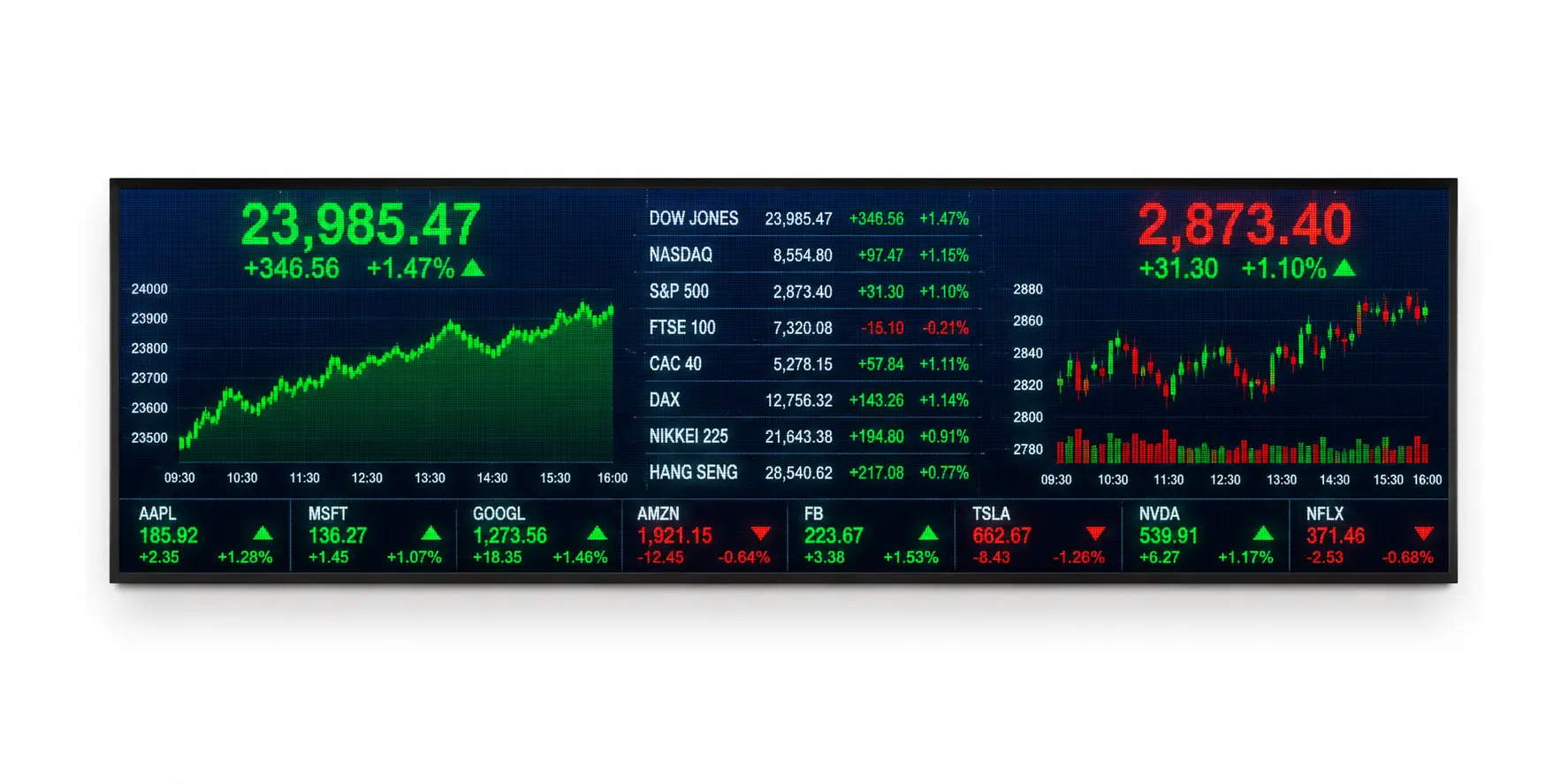
A Financial Ticker Display P3 is a high-resolution LED information display designed to showcase real-time financial data, investment updates, mutual...
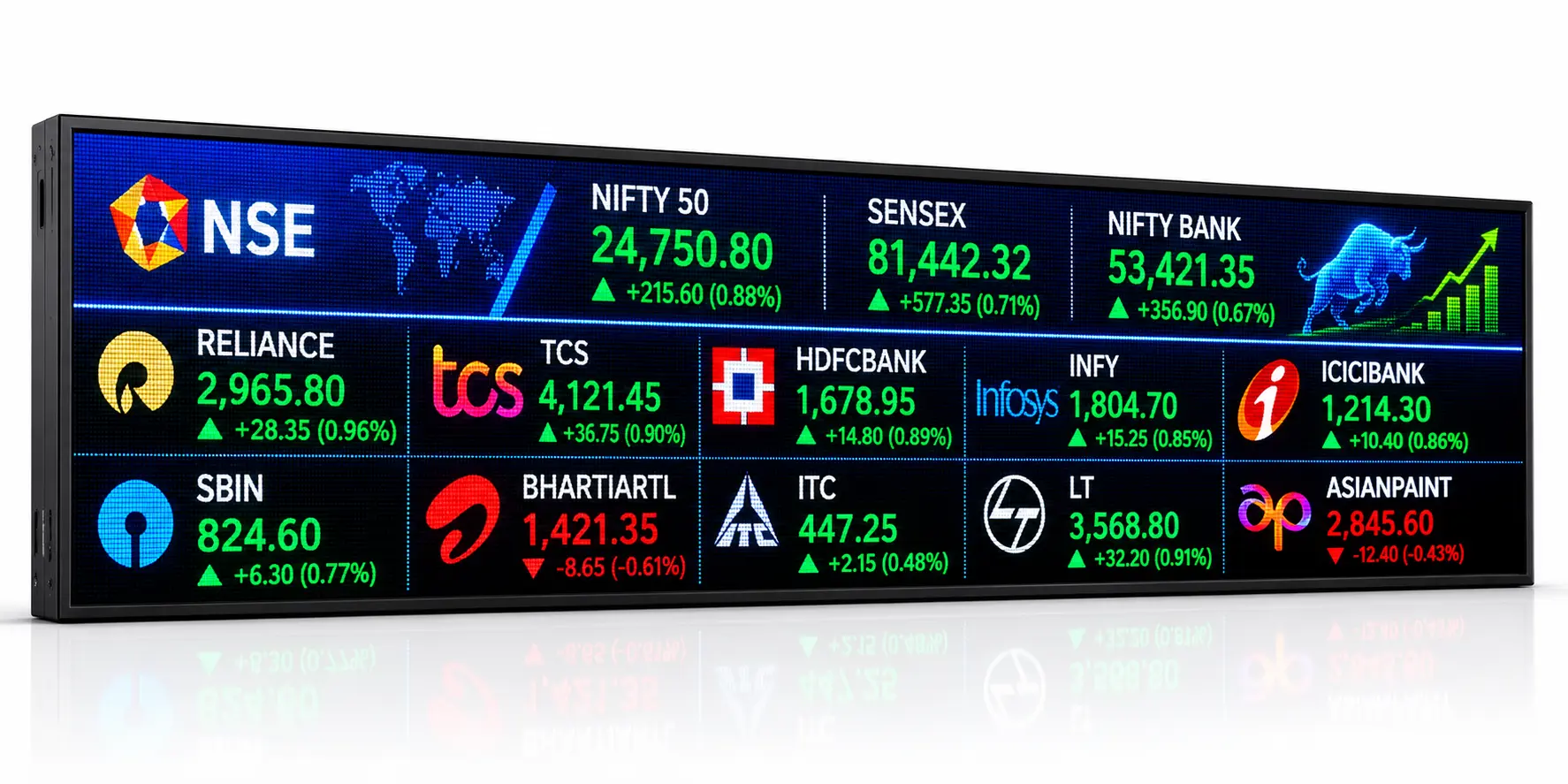
A Live Share Price LED Display Board P4 is a professional LED ticker display system designed to show real-time stock...
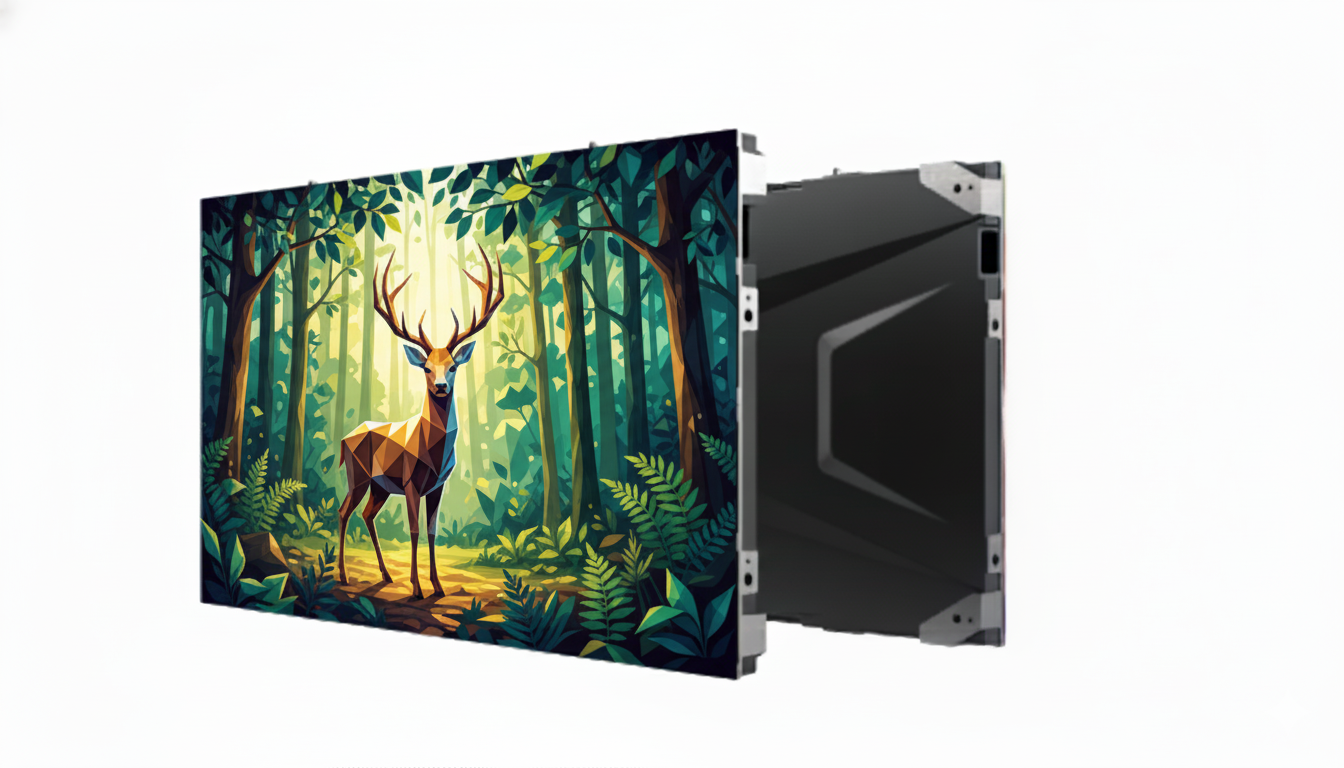
Elevate your indoor environment with our P4mm Indoor Active LED video wall, a premier solution for high-resolution signage. This seamless...
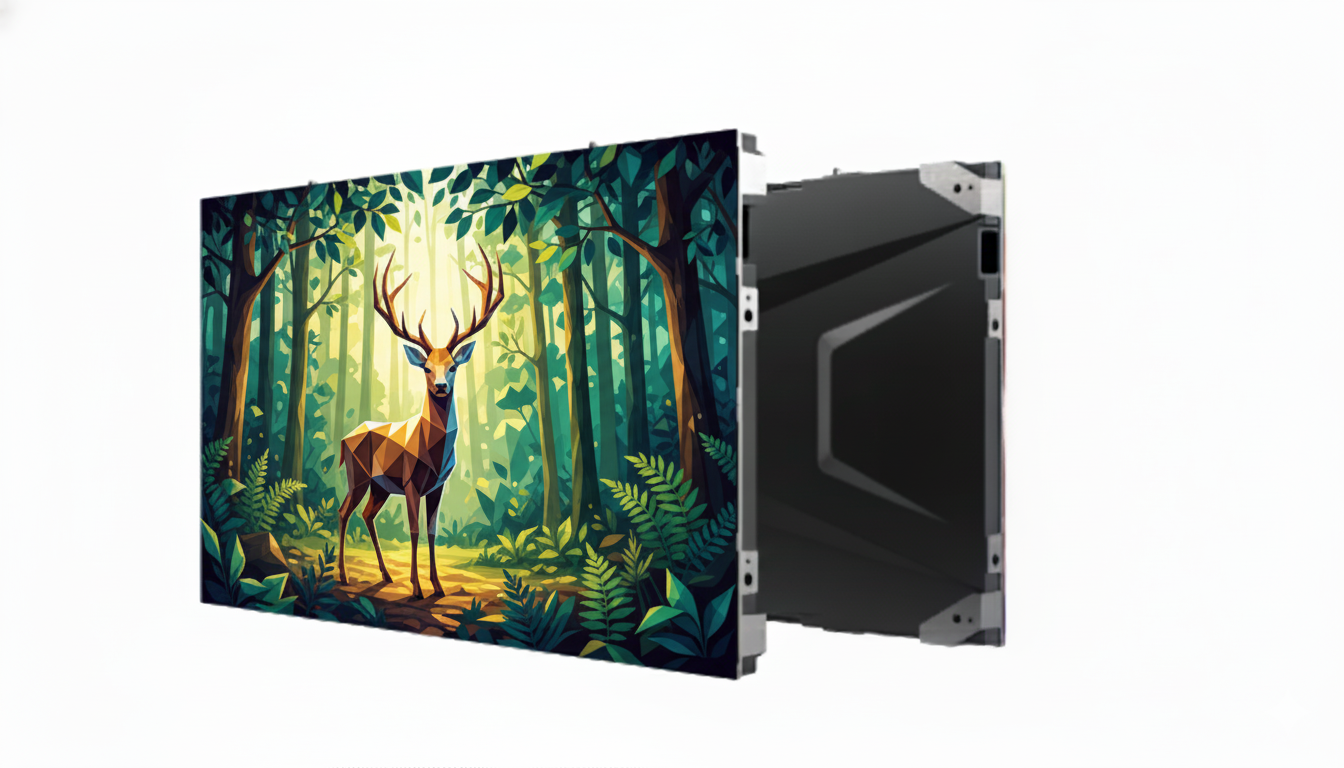
Transform your interior space with our P3.0mm Indoor Active LED display, the premium solution for high-resolution digital signage. This seamless...