July 30, 2026 Manisha Maurya
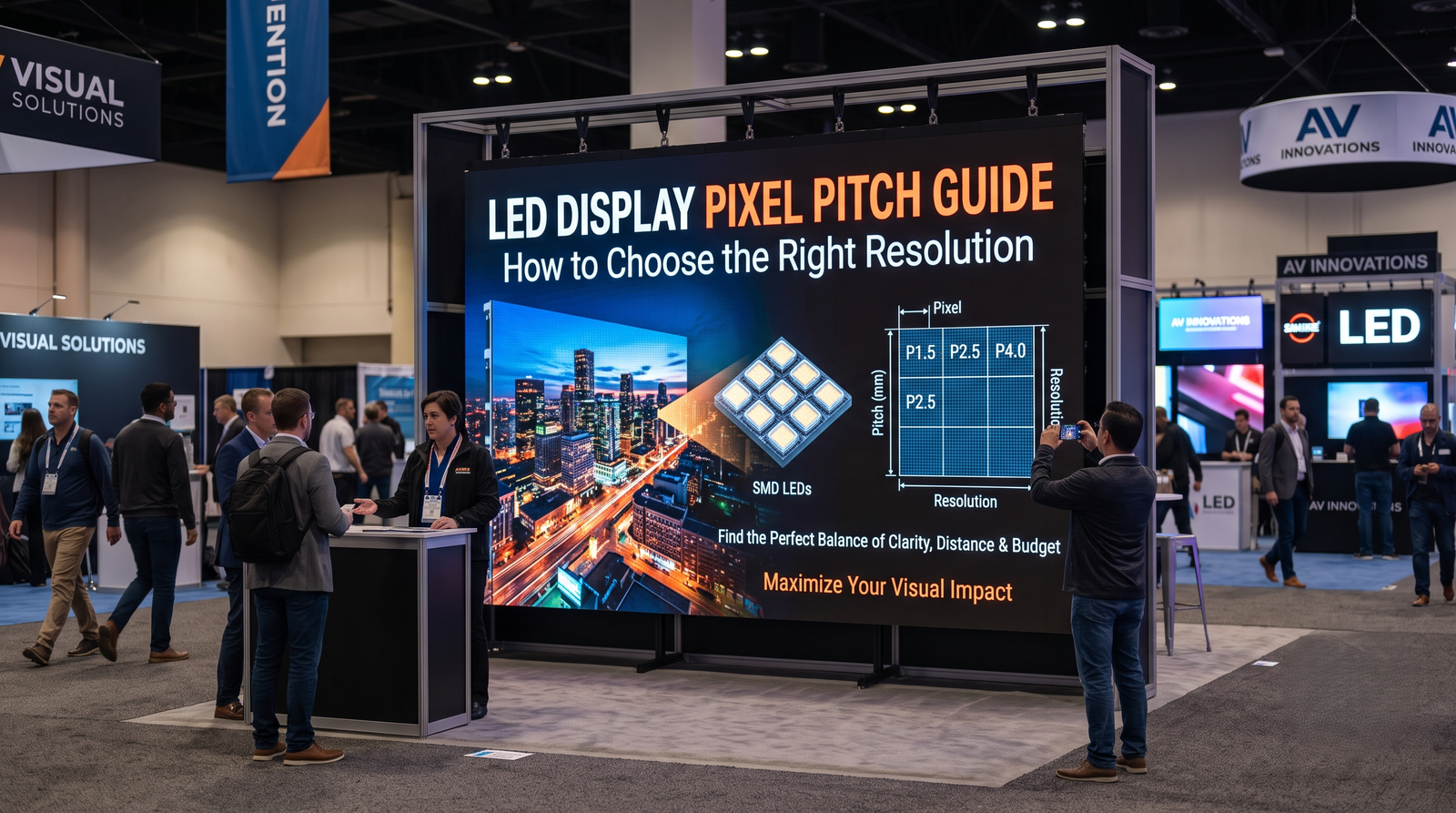
Investing in an LED video wall for a corporate boardroom, a retail store, or an outdoor advertising billboard in India involves navigating technical specifications that directly impact total costs and visual clarity. The most critical, yet frequently misunderstood, specification is the pixel pitch. Selecting an incorrect specification leads either to blurry visuals that strain the eyes of viewers or to massive overspending on resolution that the target audience cannot appreciate from their actual viewing location.
This technical guide provides business owners, project managers, and AV integrators with a clear framework to evaluate pixel pitch options. It balances required image resolution against viewing distances and physical site constraints within the context of the Indian AV market.
To determine the ideal LED display pixel pitch, measure the minimum distance between the screen and the closest viewer. A reliable industry rule of thumb states that 1 mm of pixel pitch requires approximately 1 metre of viewing distance to prevent the human eye from distinguishing individual pixels.
For instance, an indoor conference room where the closest chair is 2 metres away requires a pixel pitch of P2.0 or lower. An outdoor retail façade viewed from 8 metres away is best served by a P8.0 display. Using a tighter pixel pitch than necessary yields no visible improvement in clarity while significantly escalating equipment costs.
The following table provides standard recommendations based on common commercial use cases in India:
| Pixel Pitch Classification | Common Pitches (mm) | Minimum Viewing Distance | Primary Application | Target Indian Environments |
| Fine Pitch (Ultra HD) | P0.9, P1.2, P1.5, P1.8 | 0.9m to 1.8m | Executive boardrooms, command centres, high-end broadcast studios | Corporate offices in Mumbai, Delhi NCR tech parks, control rooms |
| Standard Indoor | P2.0, P2.5, P3.0, P4.0 | 2m to 4m | Retail signage, auditoriums, hotel banquet halls, airport terminals | Premium malls (DLF, Phoenix), coaching institutes, luxury hotels |
| Semi-Outdoor / Window | P3.9, P4.8 | 4m to 5m | Sunlit store windows, transport hubs, covered event stages | High-street retail shop fronts, metro stations, exhibition centres |
| Outdoor Billboards | P5.0, P6.0, P8.0, P10.0 | 5m to 10m+ | Digital OOH advertising, stadium screens, large building façades | Highway billboards, smart city traffic displays, public plazas |
LED display pixel pitch refers to the physical distance measured from the centre of one cluster of LEDs (or pixel) to the centre of the absolute adjacent cluster, typically expressed in millimetres (mm). It is standard industry practice to denote this value using the letter "P" followed by the measurement. For example, a P2.5 display signifies a 2.5 mm gap between the center points of neighbouring pixels.
The pixel pitch dictates the density of the light-emitting diodes across the face of the display panel. A smaller numerical value indicates a tighter grouping of diodes. This higher density allows the screen to resolve finer details, smoother curves, and sharper text strings at very close range.
Conversely, a larger numerical value represents a wider physical gap between diodes. When viewed from close range, a wide pixel pitch causes a visual phenomenon known as pixelation or the "screen-door effect," where the viewer notices the dark spaces between the individual light sources rather than a cohesive image. However, when the viewer steps back to the designated minimum viewing distance, these individual points blend into a unified graphic or text display.
A critical concept for corporate buyers is that pixel pitch does not operate in isolation. It works alongside physical screen dimensions to establish the overall display resolution (such as Full HD or 4K).
Because pixel pitch defines the space between pixels, a smaller pitch packs more pixels into a given square metre of screen area. To achieve a standard High Definition resolution ($1920 \times 1080$ pixels), the physical area required changes based on the selected pitch:
With a P1.5 Display: A Full HD resolution requires a physical screen size roughly 2.88 metres wide by 1.62 metres high.
With a P2.5 Display: Achieving the exact same Full HD resolution requires a much larger screen, roughly 4.8 metres wide by 2.7 metres high.
If a buyer attempts to replace a P1.5 wall with a P2.5 wall while keeping the exact same physical footprint, the total pixel count drops significantly, causing text and detailed charts to look blurry or unreadable to someone sitting nearby.
Selecting the correct configuration requires evaluating four fundamental environmental and operational criteria.
The physical constraints of the room or site dictate the appropriate pixel pitch range.
The Minimum Distance: The point where individual pixels begin to blur into a single image. Calculate this by converting the pitch to metres (e.g., P2.5 = 2.5 metres).
For a corporate training room where the front row sits 3 metres away, a P2.0 or P2.5 module ensures crisp readability without causing eye strain during multi-hour presentations.
The nature of what will be displayed dictates the necessary pixel density.
Detailed Analytics and Small Text: Excel sheets, complex financial dashboards, architectural plans, and small fonts require high pixel density (fine pitch below P2.0).
Video and Large Graphics: Retail branding videos, simple PowerPoint text slides, and abstract ambient patterns look perfectly sharp on standard P2.5 to P4.0 panels at average indoor viewing ranges.
Indoor modules differ substantially from outdoor modules. Outdoor configurations use a larger pixel pitch (typically P5.0 to P10.0) because the audience views them from greater distances, such as from across a road or a parking lot.
Additionally, outdoor panels incorporate high-brightness LEDs (typically exceeding 5,000 nits) to combat direct Indian sunlight and feature robust ingress protection ratings (IP65 or higher) to withstand heavy monsoon rain, extreme summer heat, and high dust loads. Indoor modules operate at much lower brightness levels (600 to 1,200 nits) and feature tighter pixel arrangements designed for close inspection.
Fine-pitch LED panels contain many more diodes and internal components per square metre, making them heavier than coarser panels. The wall or supporting framework must be structurally rated to bear this load.
Furthermore, fine-pitch displays generate more ambient heat per square metre, requiring careful planning for adequate ventilation or air conditioning in the room to prevent premature component failure.
The cost structure of an led display pixel pitch project is exponentially non-linear. As the pixel pitch reduces, the manufacturing complexity and the number of individual LED diodes increase dramatically, driving up the total price.
In the Indian marketplace, pricing varies widely based on several key factors:
Diode Brand and Quality: Premium components (such as Nationstar high-tier or Kinglight gold-wire LEDs) carry a cost premium but offer superior color consistency and lower failure rates over time.
Refresh Rate Capabilities: Standard displays offer a 1,920 Hz refresh rate, which is perfectly adequate for standard viewing. Broadcast studios or corporate event backdrops that are filmed on camera require high-refresh-rate ICs (3,840 Hz or more) to eliminate flickering on camera lenses, increasing the cost of the screen.
Cabinet Material: Lightweight die-cast aluminum cabinets offer superior alignment precision and heat dissipation compared to basic iron cabinets, but they come at a higher price point.
Beyond the initial equipment cost, fine-pitch installations incur higher long-term expenses. They require skilled technicians for installation, and replacing a single damaged module is much more precise and costly.
Additionally, operating thousands of extra micro-LEDs per square metre can increase power consumption, raising monthly electricity bills for large installations. Buyers must verify whether their site has the electrical capacity and HVAC support to handle these demands before finalizing a purchase.
To secure a reliable installation that delivers a solid return on investment, buyers should avoid relying solely on catalog specifications. Use this practical step-by-step checklist when dealing with AV vendors and system integrators in India.
Request a Live Product Demonstration: Always evaluate the specific pixel pitch module under the exact lighting conditions of your final installation site. View the screen with your actual live corporate content (such as complex spreadsheets or video loops) from the exact minimum viewing distance planned for the venue.
Verify Spare Part Allocation: Ensure the quotation includes at least 3% to 5% identical batch spare modules and receiving cards. LEDs from different manufacturing batches vary slightly in colour temperature and binning. Replacing a damaged module months later with a different batch creates a noticeable patch on the wall.
Confirm Power Supplies and Redundancy: For critical applications like command centres or high-profile auditoriums, check if the system includes dual power supply and signal backup redundancy to prevent sudden blackouts.
What specific brand and model of LED diodes and driver ICs are used in this module batch?
Does the system offer front-serviceable accessibility or rear-serviceable access? (Front access is essential for screens mounted flat against boardroom walls).
What is the specific IP rating of the panels, and how does the warranty cover damage from power surges or voltage fluctuations common in Indian commercial zones?
Where is your nearest service center located, and what is the guaranteed Turnaround Time (TAT) for component repairs or module replacements?
Understanding the explicit advantages and limitations of each choice helps prevent costly design errors.
Pros: Outstanding image clarity; seamless close-up viewing; sharp rendering of small text and complex data graphics; sleek, modern appearance ideal for high-profile executive spaces.
Cons: High initial equipment cost; fragile surface diodes vulnerable to physical impact; complex alignment requirements; higher maintenance costs; greater heat dissipation demands.
Pros: Very cost-effective per square metre; high structural durability; lower power consumption; simplified maintenance and easy component replacement; capable of delivering immense brightness for large venues.
Cons: Unsuitable for close-up viewing; small fonts and detailed data tables become completely unreadable up close; requires substantial physical viewing distance to look sharp.
The selection of an led display pixel pitch must be guided by objective site geometry and content requirements rather than a desire to buy the highest possible specification.
Choose a Fine Pitch (P1.2 to P1.8) if you are outfitting a high-profile corporate boardroom or command centre where users view detailed text, metrics, and slides from within 2 metres.
Choose a Standard Indoor Pitch (P2.5) for most standard auditoriums, retail wall displays, and public reception lobbies where the closest audience members are positioned at least 2.5 to 3 metres away. This option offers the ideal balance of sharpness and cost efficiency.
Choose a Coarse Pitch (P4.0 and above) for large experiential spaces, elevated stadium screens, and outdoor billboards where long-range viewing makes fine resolution unnecessary.
Prioritize working with system integrators who provide transparent component documentation, local service support, and proper structural engineering guarantees tailored to your local environment.
No. A smaller pixel pitch offers higher resolution, but it is only beneficial if viewers sit close enough to appreciate the difference. If the audience is positioned 6 metres away, a P2.5 screen and a P6.0 screen will look virtually identical in terms of clarity, but the P2.5 screen will cost significantly more.
Generally, no. Standard indoor P2.5 panels lack the necessary brightness (usually only 800 nits) to compete with bright daytime ambient light, making the screen look washed out. Storefront windows require specialized high-brightness window displays (often P3.9 or P4.8 running above 3,500 nits) along with UV protection to handle direct solar heat.
Pixel pitch is the physical distance between individual pixels, whereas screen resolution is the total count of pixels across the width and height of the display. Resolution depends on both the pixel pitch and the physical size of the screen.
Ensure the warranty explicitly covers component-level repairs for a specified period (typically 2 to 3 years) and details the supplier's on-site technical support availability. Confirm whether the package includes regular preventive maintenance visits to clean dust from the internal cooling fans and check the alignment of the panels.
The most common causes of diode failure include power surges, voltage instability, inadequate room ventilation leading to overheating, and physical impacts during cleaning. Using high-quality driver ICs and installing a reliable voltage stabilizer or online UPS protects the display components from electrical fluctuations.
Front-maintenance is preferred for most indoor business environments because it allows technicians to remove individual modules directly from the front using a vacuum tool. This eliminates the need to leave a dedicated maintenance walkway behind the screen framework, saving valuable floor space.
Displaying static, high-contrast images continuously at maximum brightness can cause uneven aging of the LED diodes over time. Using dynamic video content or well-designed presentation layouts with balanced brightness levels ensures uniform wear across the panels and extends the overall lifespan of the system.
Most commercial-grade LED displays are rated for an operational lifespan of roughly 100,000 hours under optimal environmental conditions. In practice, this lifespan depends on factors like ambient dust management, operating temperatures, and maintaining moderate brightness levels rather than running the screen at 100% capacity continuouslcount drops significantly, causing text and detailed charts to look blurry or unreadable to someone sitting nearby.

 Interactive flat Panel
Interactive flat Panel
Interactive flat Panel
Interactive flat Panel
Interactive flat Panel
Interactive flat Panel
Interactive flat Panel
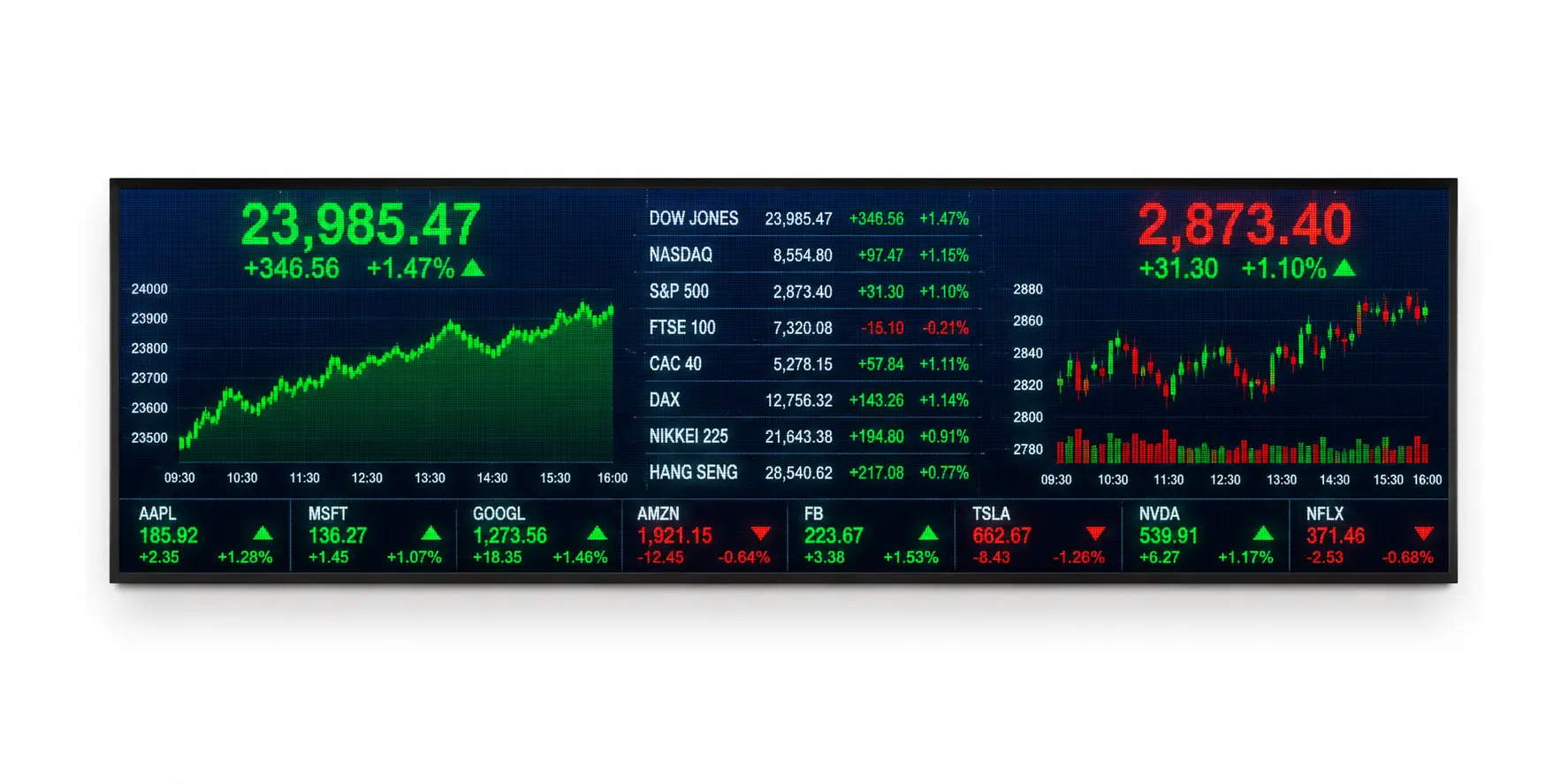
A Financial Ticker Display P3 is a high-resolution LED information display designed to showcase real-time financial data, investment updates, mutual...
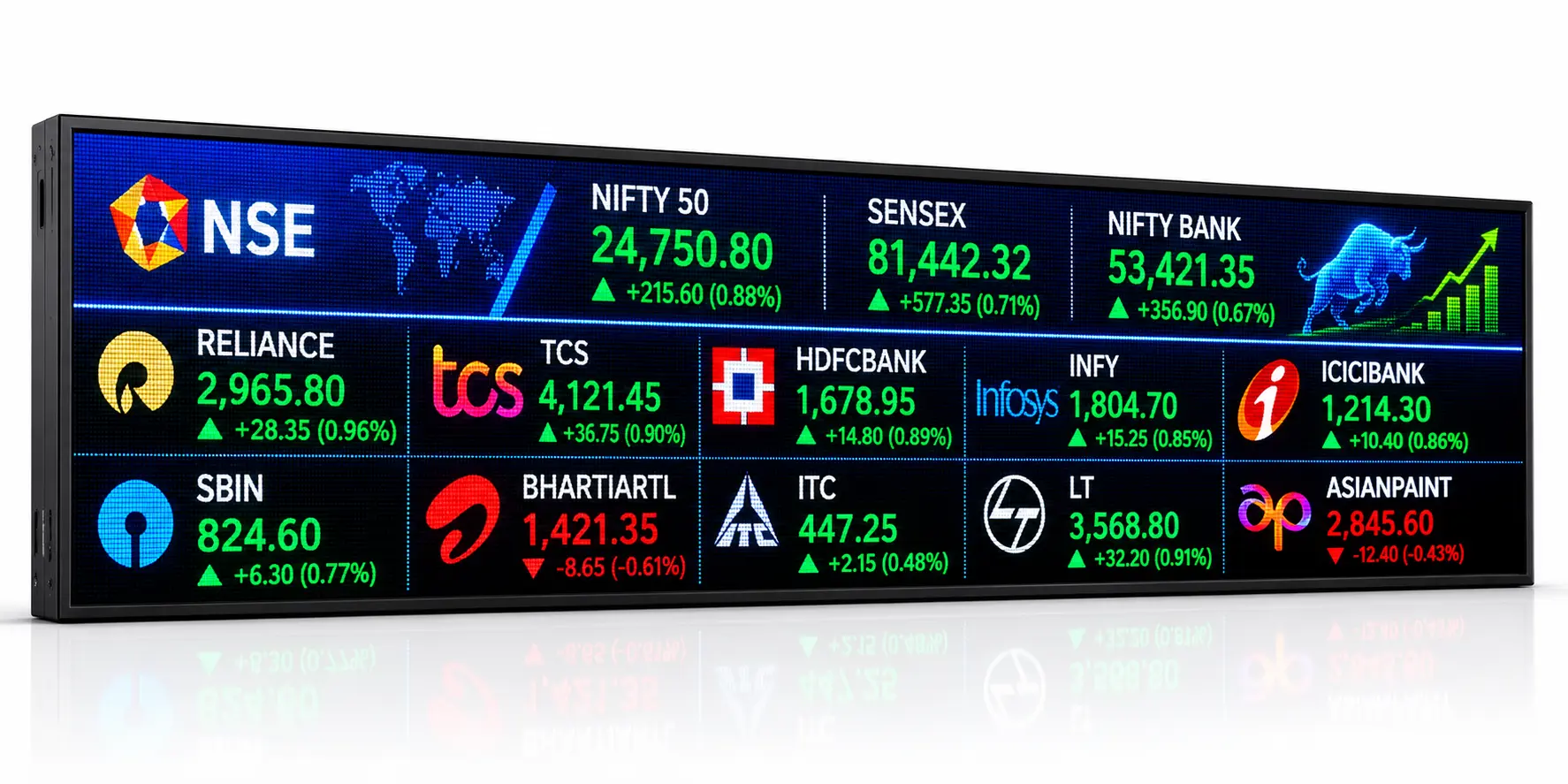
A Live Share Price LED Display Board P4 is a professional LED ticker display system designed to show real-time stock...
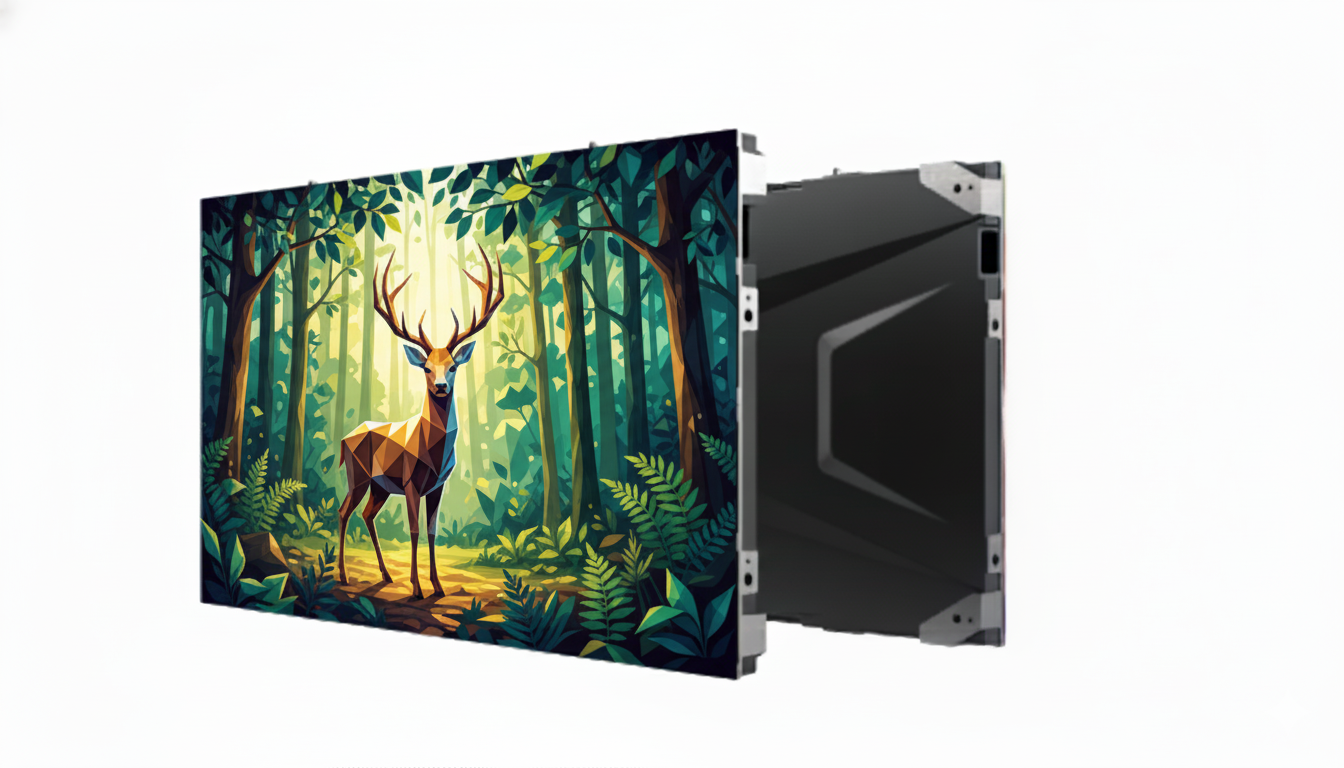
Elevate your indoor environment with our P4mm Indoor Active LED video wall, a premier solution for high-resolution signage. This seamless...
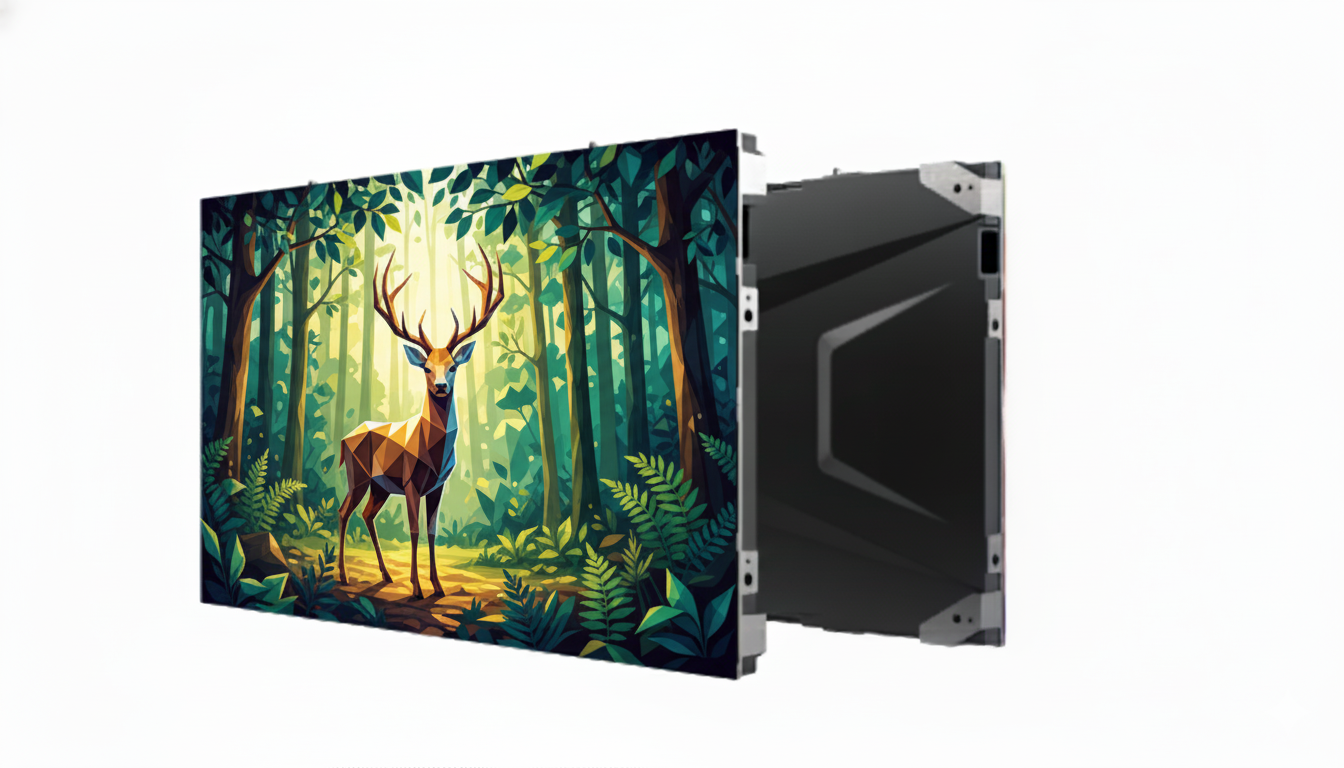
Transform your interior space with our P3.0mm Indoor Active LED display, the premium solution for high-resolution digital signage. This seamless...