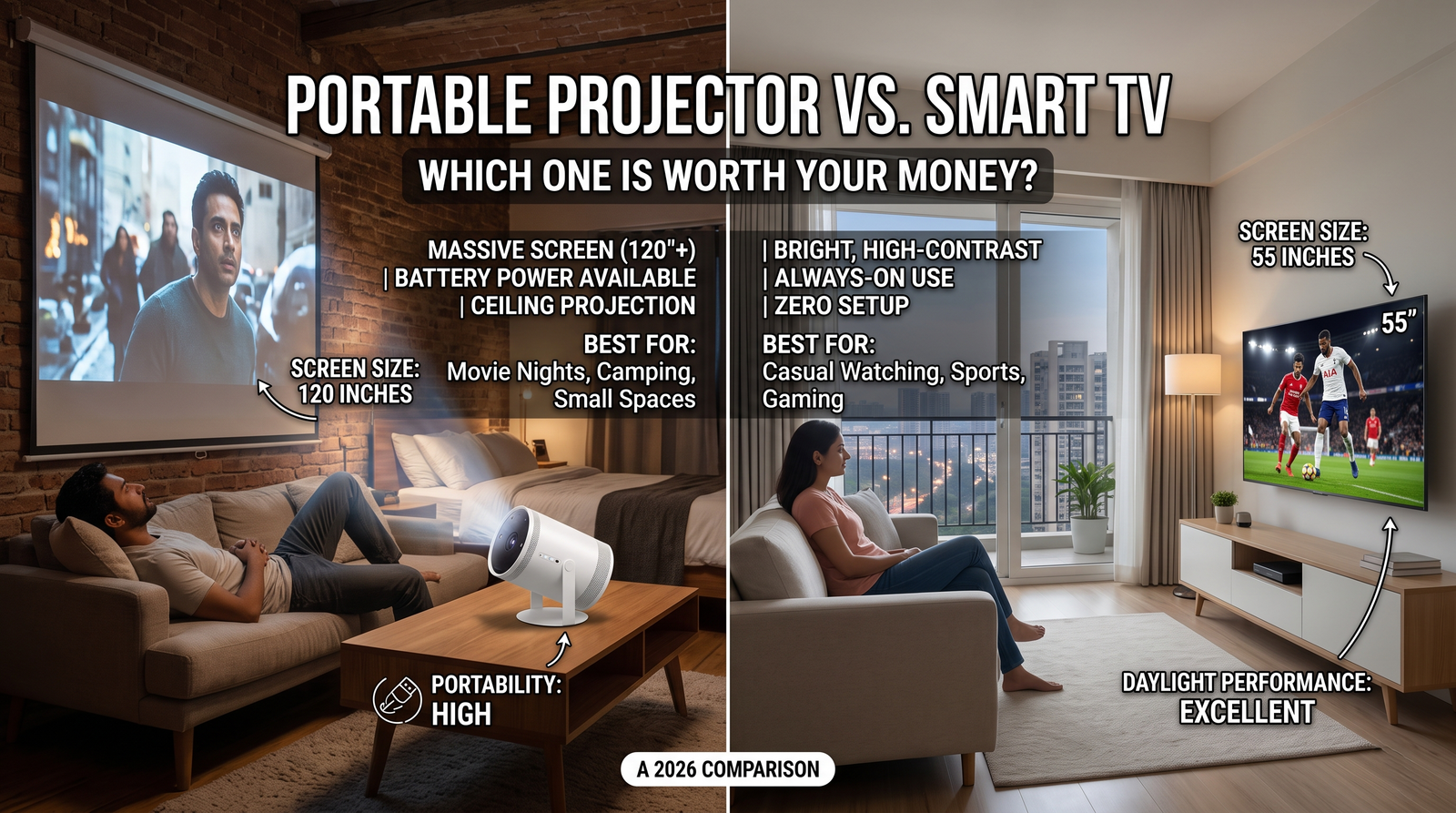
Portable Projector vs. Smart TV
Choosing between a portable projector and a smart tv usually comes down to a fundamental tradeoff: screen size flexibility versus daily viewing convenience. While a television remains the default choice for most Indian living rooms, compact LED and laser projectors have made large-screen cinema setups accessible without requiring fixed installations or massive budgets.
For buyers in India, evaluating a portable projector vs smart tv involves looking beyond basic display specs. Ambient lighting in Indian homes, room dimensions, sound requirements, OTT app support, and long-term operating costs directly impact which display device delivers real value.
Quick Answer
A smart tv offers better everyday value, higher brightness, and simpler operation for standard living rooms with uncontrolled ambient light. A portable projector is the superior choice if you prioritize a massive screen size (80 to 120+ inches), travel portability, outdoor movie nights, or a space-saving setup for dark bedrooms and rented apartments.
Quick Comparison Table
| Feature / Factor | Portable Projector | Smart TV |
| Primary Advantage | Massive, flexible screen size (up to 120"+) | High brightness and consistent image contrast |
| Best Room Environment | Dimmed or fully dark rooms | Any lighting condition (bright sunlight to dark) |
| Portability | Very high (compact, lightweight, often battery-run) | Low (fixed wall mount or tabletop stand) |
| Display Resolution | Typically Native 720p or 1080p (4K via pixel shift) | Native 1080p Full HD to true 4K UHD |
| Setup & Alignment | Requires focus, keystone, and flat surface/screen | Plug-and-play installation |
| Built-in Audio | Moderate (3W to 10W speaker output) | Good to high (20W to 40W+ built-in speakers) |
| Lifespan / Maintenance | 20,000–30,000 hours (LED/Laser source) | 30,000–50,000+ hours (panel backlight) |
| Starting Cost (India) | ₹10,000 (Basic) to ₹60,000+ (High-end) | ₹25,000 (43-inch) to ₹45,000+ (55-inch) |
What Is a Portable Projector?
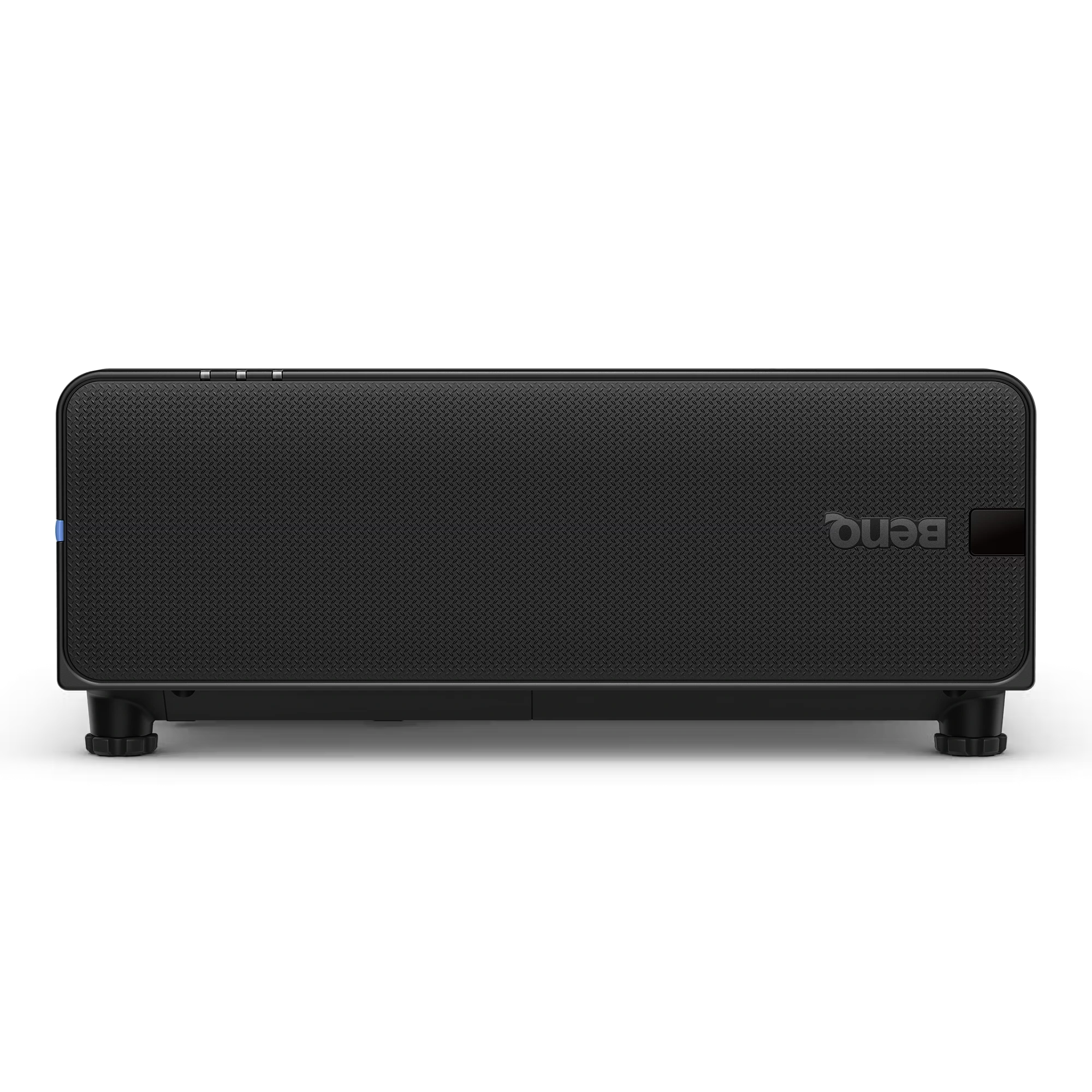
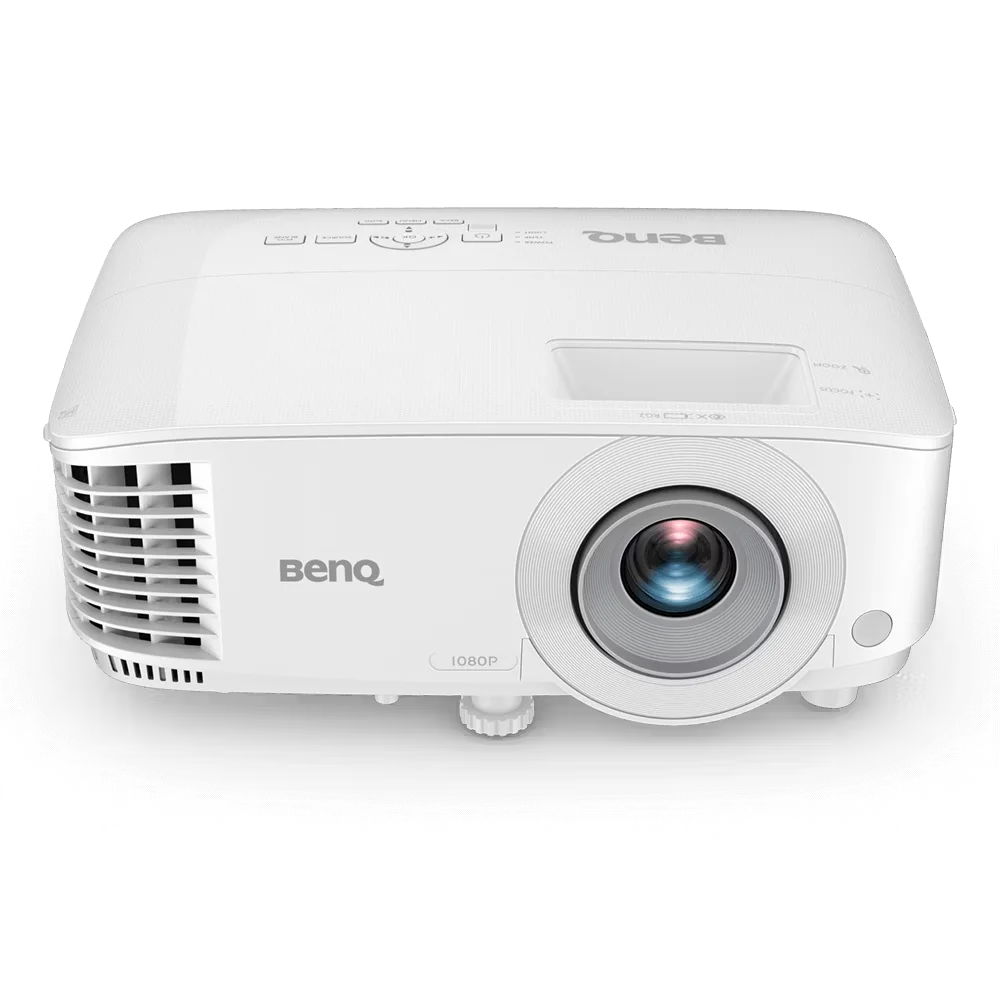
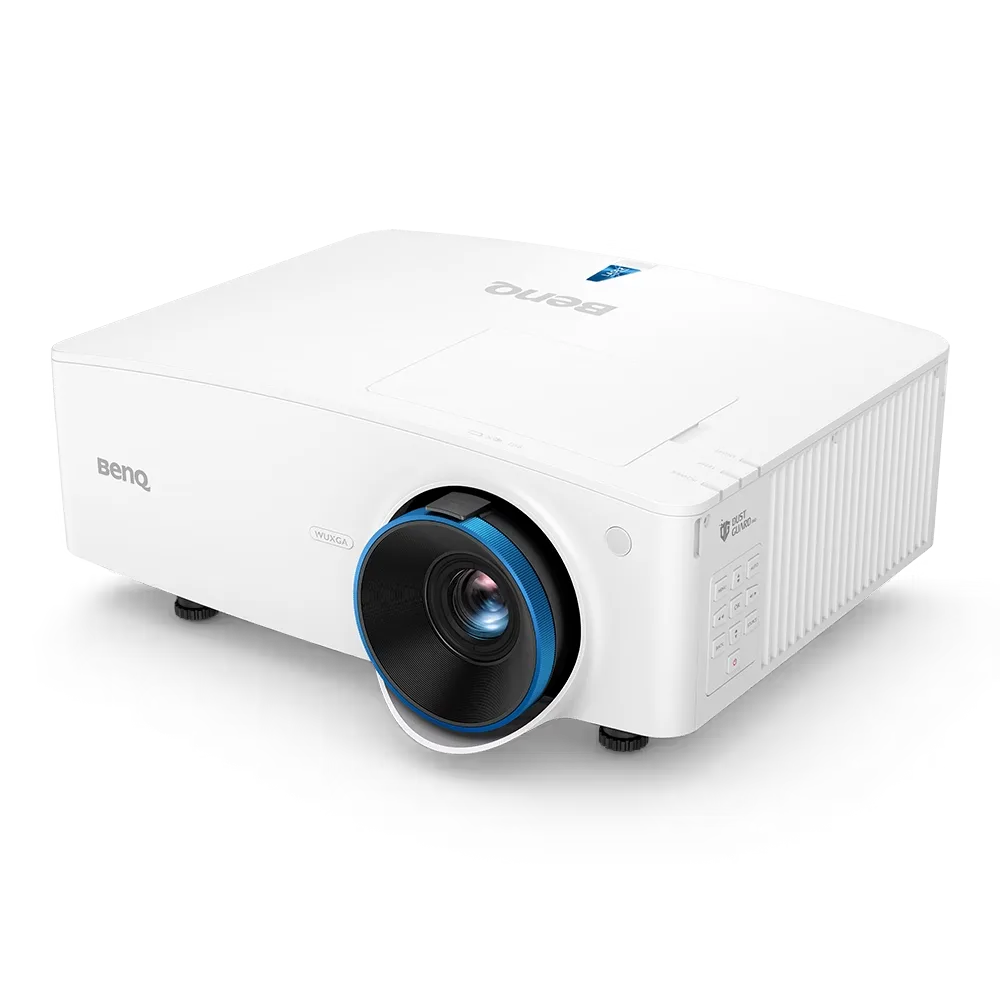
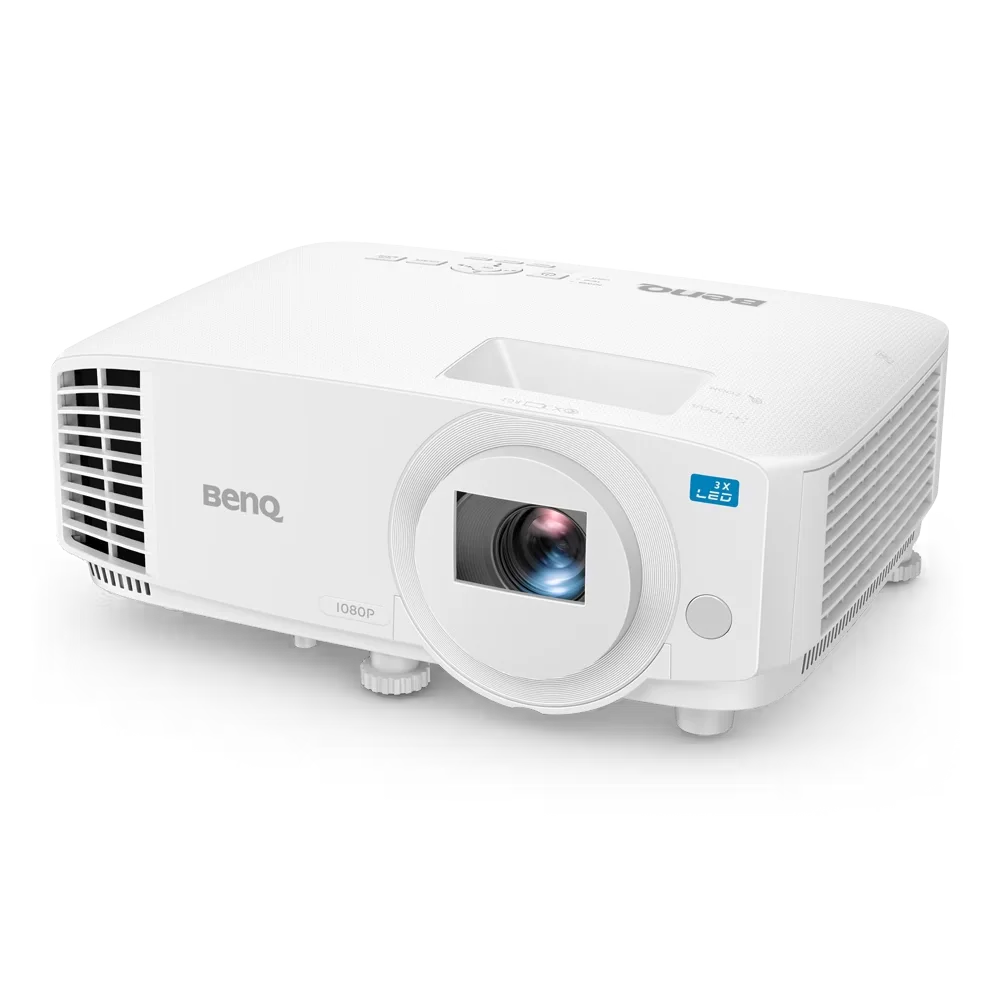
A portable projector is a compact optical display device that projects video signals onto a wall, screen, or temporary surface using LED or laser light sources. Unlike traditional ceiling-mounted projectors used in boardrooms, portable models feature lightweight designs, built-in speakers, internal batteries (in select models), and smart operating systems like Android TV or Google TV.
These units are designed for flexible setup, allowing users to project screen sizes ranging from 40 inches to over 120 inches depending on the throw distance.
What Is a Smart TV?
A smart tv is a flat-panel display (typically LED, QLED, or OLED) with an integrated operating system, built-in Wi-Fi, and direct access to streaming applications without external hardware. Smart TVs process light directly from an internal backlighting system or self-lit pixels, rendering vivid pictures regardless of external room lighting.
In Indian homes, the most popular screen sizes range from 43 inches to 65 inches, running platforms such as Google TV, WebOS, or Tizen.
Key Differences Between Portable Projectors and Smart TVs
1. Brightness and Performance in Ambient Light
Brightness is measured in ANSI lumens (or ISO lumens) for projectors and nits for smart TVs.
Smart TV: Generates direct light, typically ranging from 250 to over 1,000 nits. This allows a television to maintain sharp contrast, deep blacks, and vibrant colors even in brightly lit living rooms or daytime settings with open curtains.
Portable Projector: Uses reflected light. Compact projectors usually output between 200 and 1,000 ANSI lumens. Daylight or bright overhead room lighting easily washes out the projected image. To achieve optimal picture quality from a portable projector, you need a dimmed or completely dark room.
2. Screen Size vs. Cost Efficiency
When comparing a projector vs 55 inch smart tv, screen size per rupee becomes a major deciding factor.
Portable Projector: Can easily project an image of 100 inches or larger simply by moving the device further back from the wall. Achieving a 100-inch display via a portable projector costs a fraction of what a 98-inch or 100-inch commercial television costs in India.
Smart TV: Fixed screen size. While a 55-inch 4K smart TV offers a competitive price point, upgrading to a 75-inch or larger panel increases the price dramatically.
3. Portability, Space Requirements, and Installation
The physical footprint of each device dictates where and how it can be used.
Portable Projector: Weighs between 0.5 kg and 2.5 kg, fitting easily into a backpack. It requires no permanent wall drilling or dedicated furniture. You can use it in a bedroom, take it to a terrace, or carry it on trips. However, it does require a clear wall surface or a pull-up projection screen and space to maintain an unobstructed beam path.
Smart TV: Requires physical wall mounting or a stable media console table. Once installed, moving it between rooms is impractical.
4. Audio Quality and Daily Convenience
Day-to-day usability relies heavily on quick boot times and audio clarity.
Smart TV: Instant power-on with zero setup required. Most mid-tier TVs in India include 20W to 40W speakers with Dolby Audio support, providing adequate sound for casual viewing without extra audio equipment.
Portable Projector: Modern units feature auto-focus and automatic keystone correction, but minor manual adjustments are often necessary when moving the unit. While built-in speakers (usually 3W to 10W) work for quiet rooms, connecting an external Bluetooth speaker or soundbar is usually necessary for movies and sports.
Which Is Better for Your Viewing Needs?
A Smart TV Is Better For:
Primary Living Rooms: Households where the TV runs for hours during the day, showing news, daily soaps, or live sports in well-lit rooms.
Gamers: Players using PlayStation 5 or Xbox Series X who require high refresh rates (120Hz), low input lag, HDMI 2.1 support, and variable refresh rates (VRR).
Non-Technical Users: Families, children, or elderly members who prefer single-remote operation without managing projection distances, surface reflections, or external speakers.
A Portable Projector Is Better For:
Movie Enthusiasts: Viewers who want an immersive, theater-like experience in a dedicated dark room or bedroom.
Renters and Frequent Movers: Individuals living in rented apartments who want a big-screen experience without handling heavy wall-mounting hardware or transporting fragile glass panels during home relocation.
Outdoor and Travel Use: Users who want to organize terrace movie nights, backyard screenings, or business presentations on the go.
Price and Cost Differences in India
The cost difference between smart tv and projector models in India depends significantly on performance tiers:
Entry-Level (₹8,000 – ₹20,000): Budget portable projectors offer native 720p or basic 1080p resolution with low brightness (100–300 ANSI lumens). Smart TVs in this price bracket are typically 32-inch to 43-inch HD/Full HD models.
Mid-Range (₹25,000 – ₹55,000): This range includes native 1080p smart portable projectors with licensed Android TV/Google TV, auto-focus, and 400–800 ANSI lumens. On the television side, this budget secures a quality 43-inch to 55-inch 4K UHD smart TV from established brands.
Premium (₹60,000 and Above): High-end portable/lifestyle laser projectors deliver higher brightness (1,000+ ANSI lumens) and 4K capabilities. For the same price, buyers can purchase 65-inch to 75-inch QLED or entry-level OLED TVs.
Buyer's Checklist: What to Verify Before Purchasing
Before deciding on a portable projector vs tv for home use, verify the following technical points:
Check Lumens Specification: Ensure projector brightness is listed in ANSI Lumens or ISO Lumens, not raw "LED Lumens" or "Peak Lumens," which are unstandardized marketing numbers.
Confirm Native Resolution: Distinguish between "Native Resolution" (the actual physical pixels on the panel) and "Supported Resolution" (the input signal the projector can process). Look for Native 1080p (1920x1080) for clear text and sharp picture quality.
Verify DRM & App Licenses: Many unbranded budget smart projectors run mobile Android, which limits streaming apps like Netflix, Prime Video, or Hotstar to standard definition (480p) or prevents them from opening altogether. Ensure the device has official Widevine L1 certification and native app support.
Evaluate Throw Distance: Calculate the distance available between your wall and placement spot. A standard throw projector needs roughly 2.5 to 3 meters to produce a 100-inch image.
Check Service and Warranty: Confirm local service network availability in India for lamp/LED replacement, power supply repairs, and software updates.
Pros and Cons
Portable Projector
Pros:
Massive screen size potential up to 120 inches or more.
Compact, lightweight, and easy to store when not in use.
Less direct eye strain due to indirect, reflected light projection.
Ideal for versatile setups across different rooms and locations.
Cons:
Performance drops significantly in ambient or daylight conditions.
Requires external speakers for high-quality audio.
Lower contrast ratios and dynamic range compared to televisions.
Smart TV
Pros:
Superior brightness and image clarity in all lighting environments.
Simple plug-and-play setup with instant startup.
Better built-in sound quality out of the box.
Excellent gaming performance with low input latency.
Cons:
Screen size is fixed once purchased.
Large screens (65"+) are expensive and difficult to move safely.
Reflects glare from windows and indoor light fixtures.
Final Verdict
If you need a primary display for a sunny living room, regular daytime viewing, sports matches, and gaming, a Smart TV offers better everyday value for your money in India. It delivers consistent brightness, crisp detail, and effortless operation for the entire family.
However, if you already have a main television or want to build an immersive weekend movie setup in a bedroom or dark room, a Portable Projector offers unmatched screen size value. For movie lovers who value portability and a true cinema feel over casual TV viewing, a quality portable projector is well worth the investment.
Frequently Asked Questions
1. Is a portable projector better for your eyes than a smart TV?
Yes, portable projectors are generally easier on the eyes because they utilize indirect, reflected light rather than light projected directly toward your eyes. This helps reduce eye fatigue during long viewing sessions in dim environments.
2. Can a portable projector replace a TV for daily home use?
A portable projector can replace a TV only if you can control room lighting effectively with blackout curtains or if your viewing occurs primarily at night. For daytime viewing in bright rooms, a television remains more practical.
3. Do portable projectors work on normal painted walls in Indian homes?
Yes, a clean, flat, smooth off-white or light grey wall works reasonably well for casual viewing. However, textured walls or glossy paint can degrade image clarity and sharpness. Using a dedicated projection screen improves contrast and color saturation.
4. How long do LED bulbs in portable projectors last?
Most modern LED and laser-based portable projectors offer light source lifespans ranging from 20,000 to 30,000 hours. Even with 4 to 5 hours of daily use, the light engine can last over ten years without requiring a bulb replacement.
5. Can I watch Netflix and Prime Video in HD on a portable projector?
Yes, provided the projector features official Widevine L1 certification and licensed operating software. Uncertified budget projectors may cap video quality at 480p SD or require an external media streaming stick (like an Amazon Fire TV Stick or Google Chromecast) to stream HD content.
6. Can I connect a gaming console to a portable projector?
Yes, most portable projectors include an HDMI port for connecting consoles like the PlayStation or Xbox. However, budget portable projectors often exhibit higher input lag (latency) than modern smart TVs, making them less suited for competitive fast-paced gaming.
7. Do I need an external speaker for a portable projector?
While most portable projectors feature built-in speakers sufficient for small bedrooms, an external Bluetooth speaker, soundbar, or home theater system is recommended for room-filling audio during movies.
8. What is the minimum distance required for a 100-inch projection?
Standard throw portable projectors generally require approximately 2.6 to 3.2 meters of distance from the wall to create a clear 100-inch screen. Short-throw models require less distance.
 Buying guides
 Buying guides