


Choose the GV50P if you want portability, built-in streaming, battery operation and flexible positioning. If your priority is maximum brightness for a room with significant…


The BenQ GV50 is a premium FHD (1080p) Smart Laser Portable Projector engineered for flexible, immersive entertainment anywhere. It delivers 500 ANSI lumens of brightness…

The BenQ GP100 is a premium, portable Full HD 1080p LED projector designed for all-around home entertainment luxury, supporting up to 4K input. It delivers…

The BenQ GV31 is a versatile 1080P Full HD portable smart projector designed for flexible home entertainment and lifestyle use. It features a unique 720°…

The BenQ GS50 is a versatile 1080p Full HD portable outdoor projector engineered for cinematic entertainment beyond the living room. It features exceptional audiovisual quality…
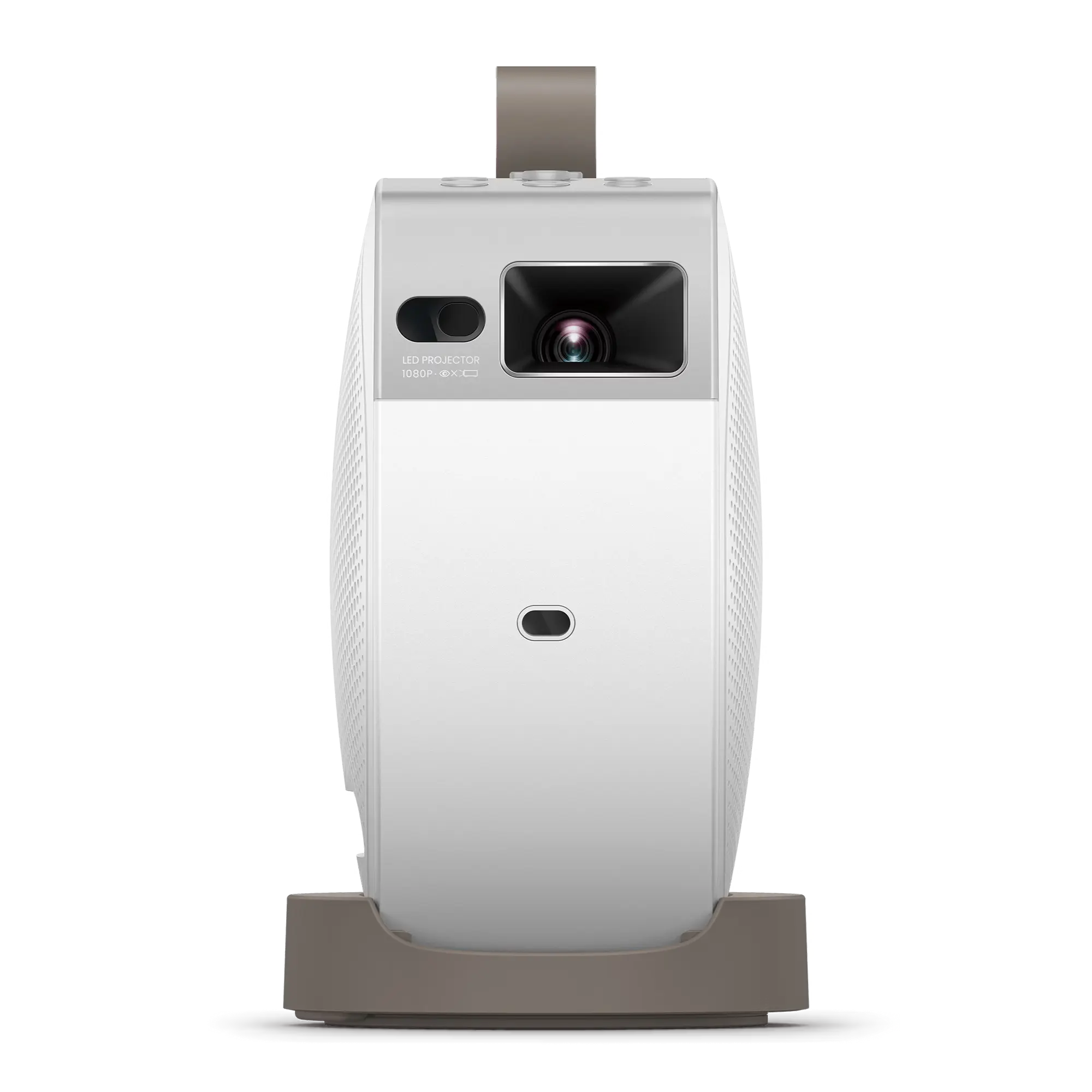
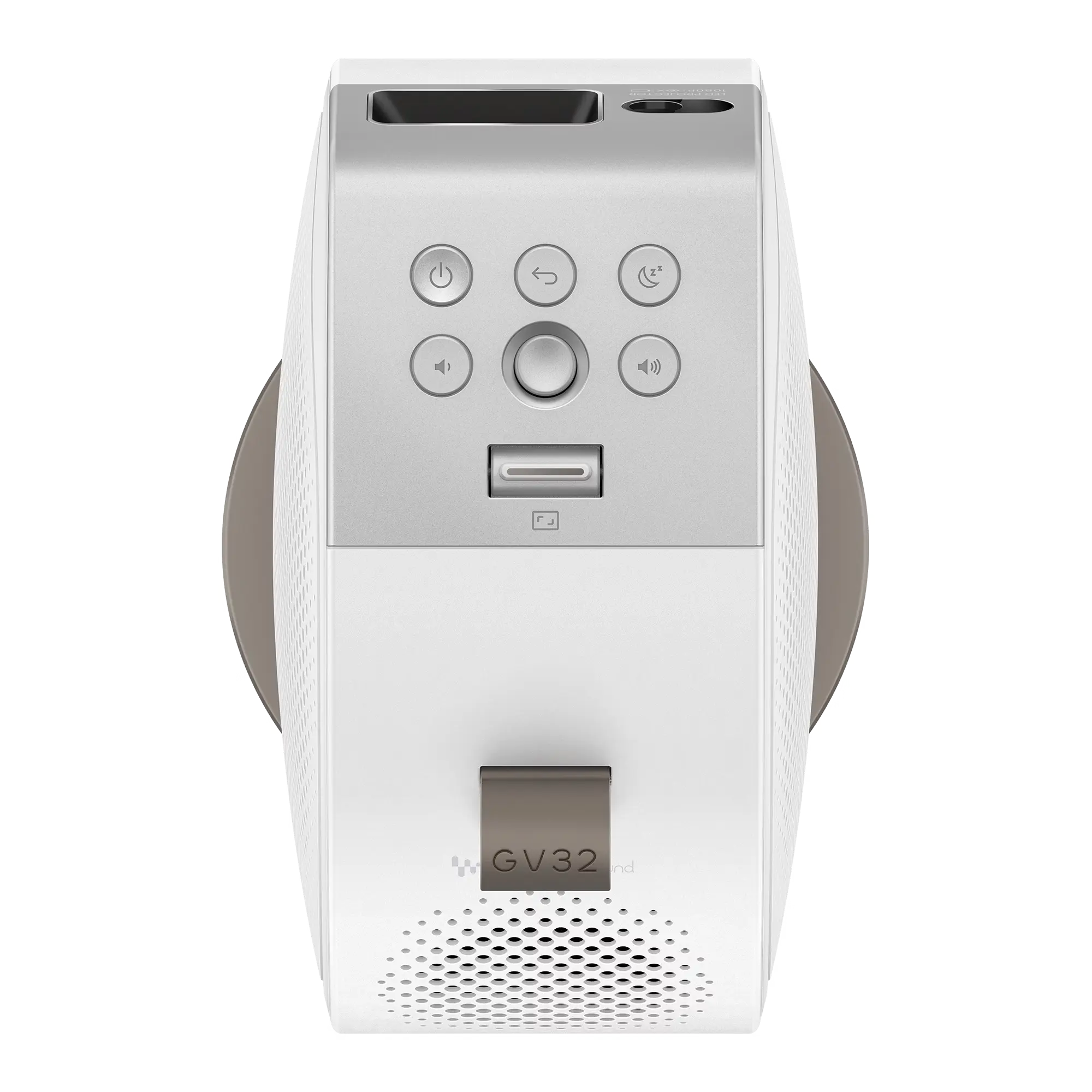
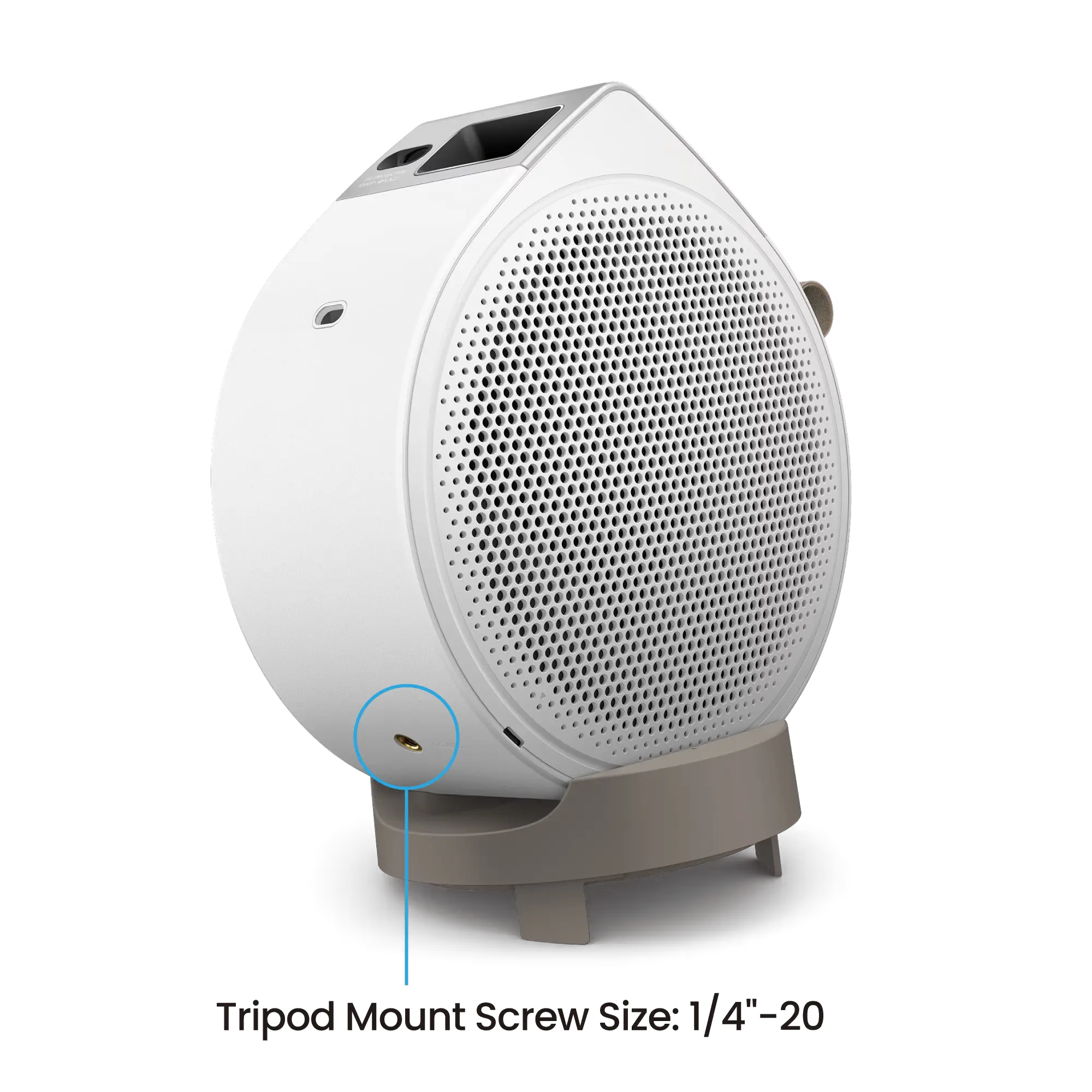
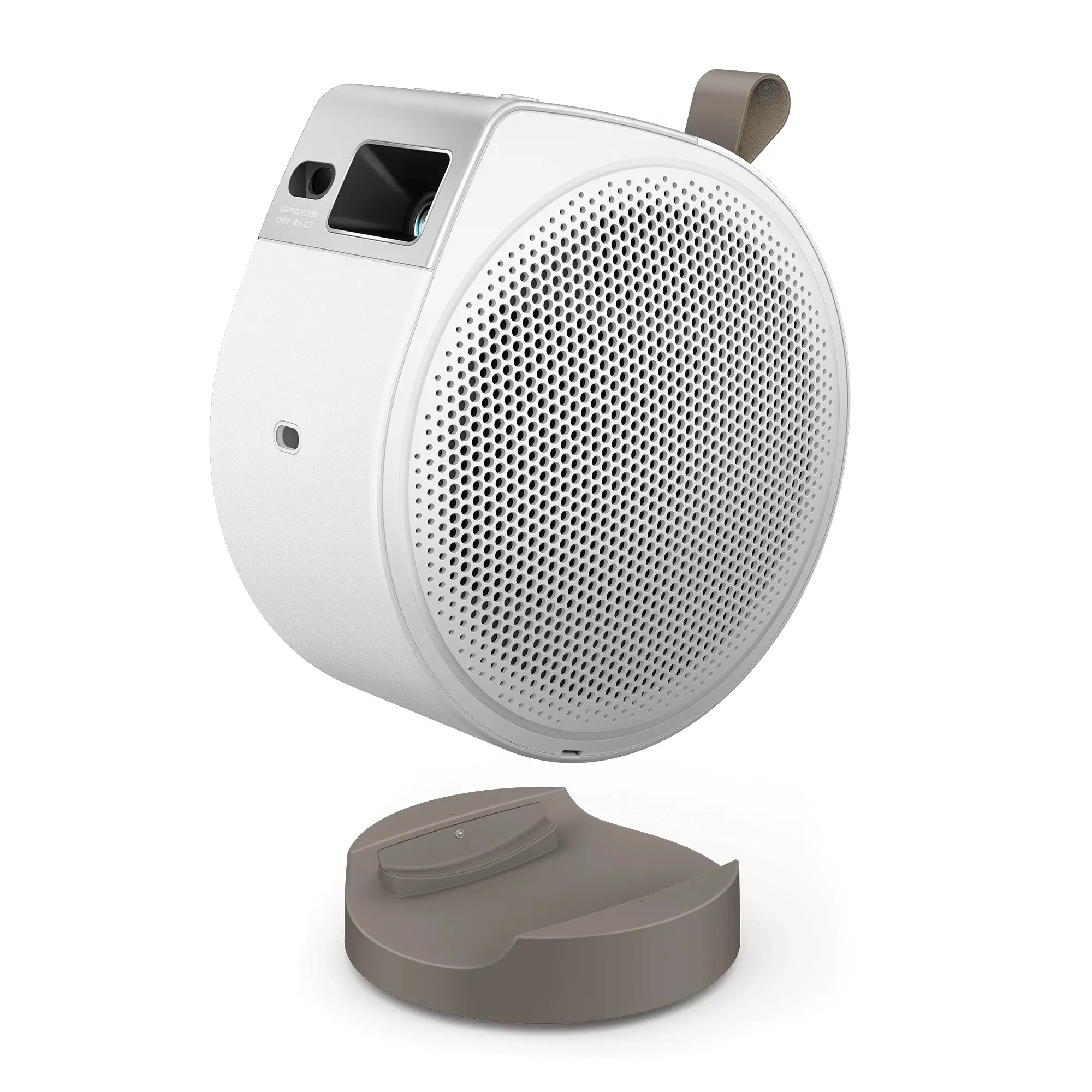
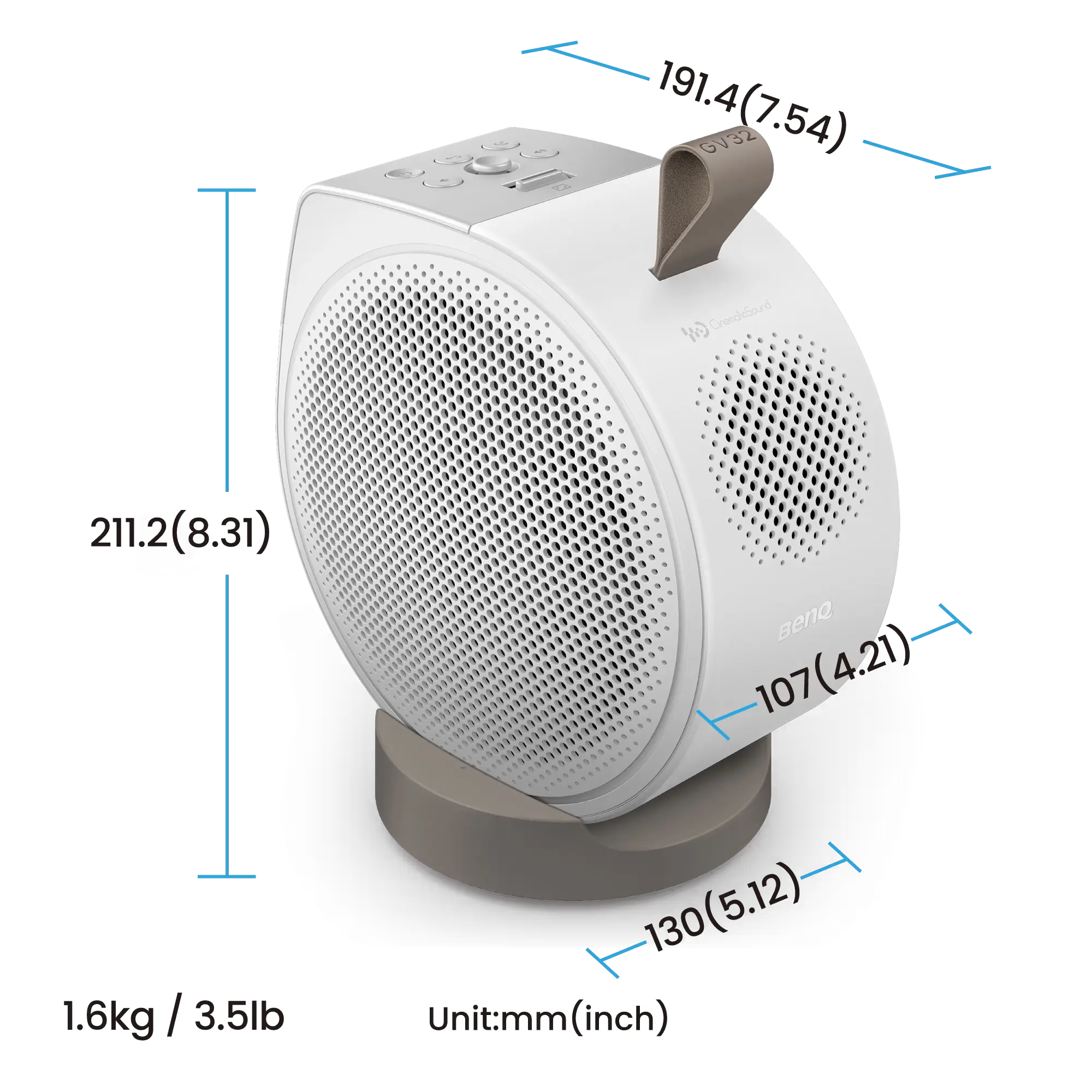
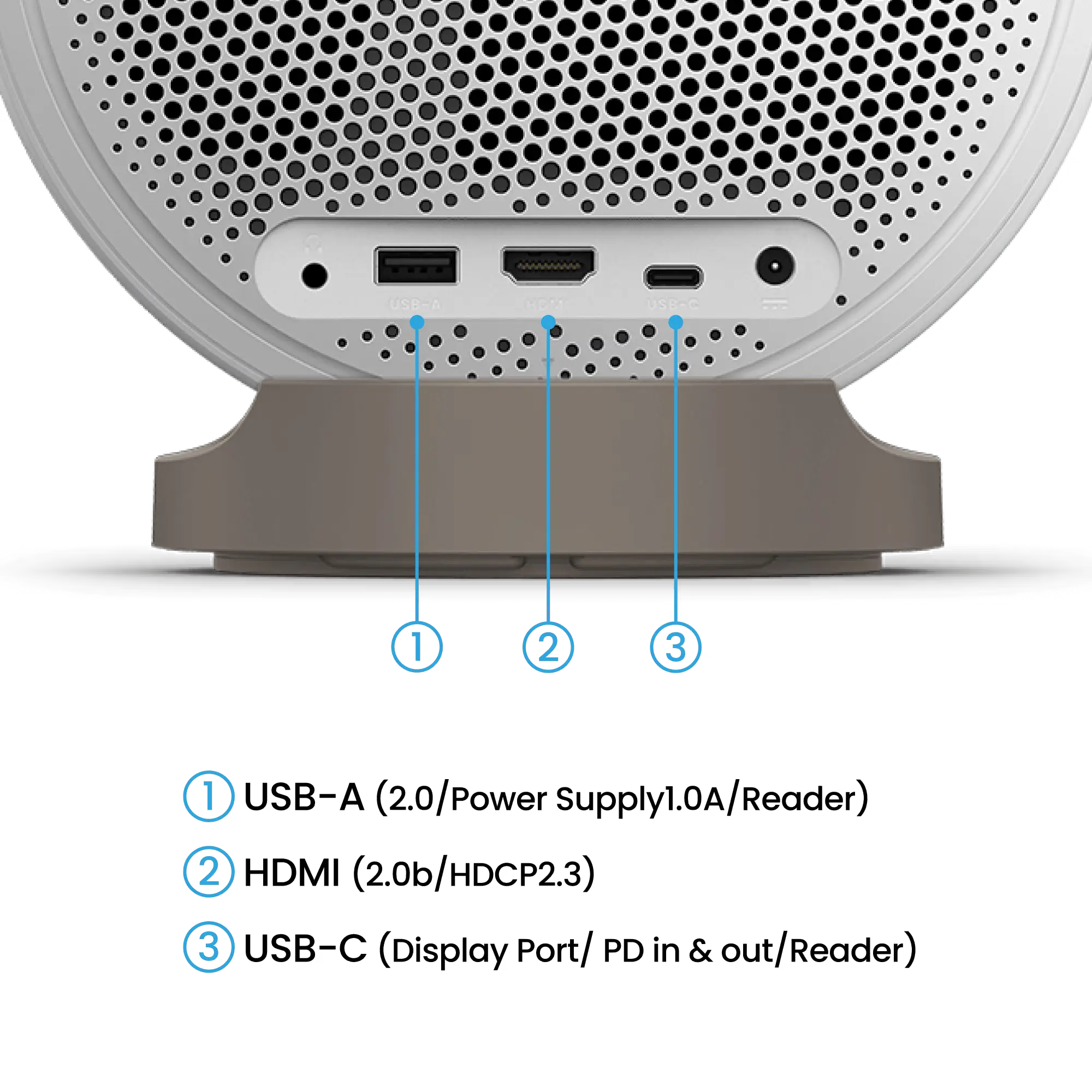
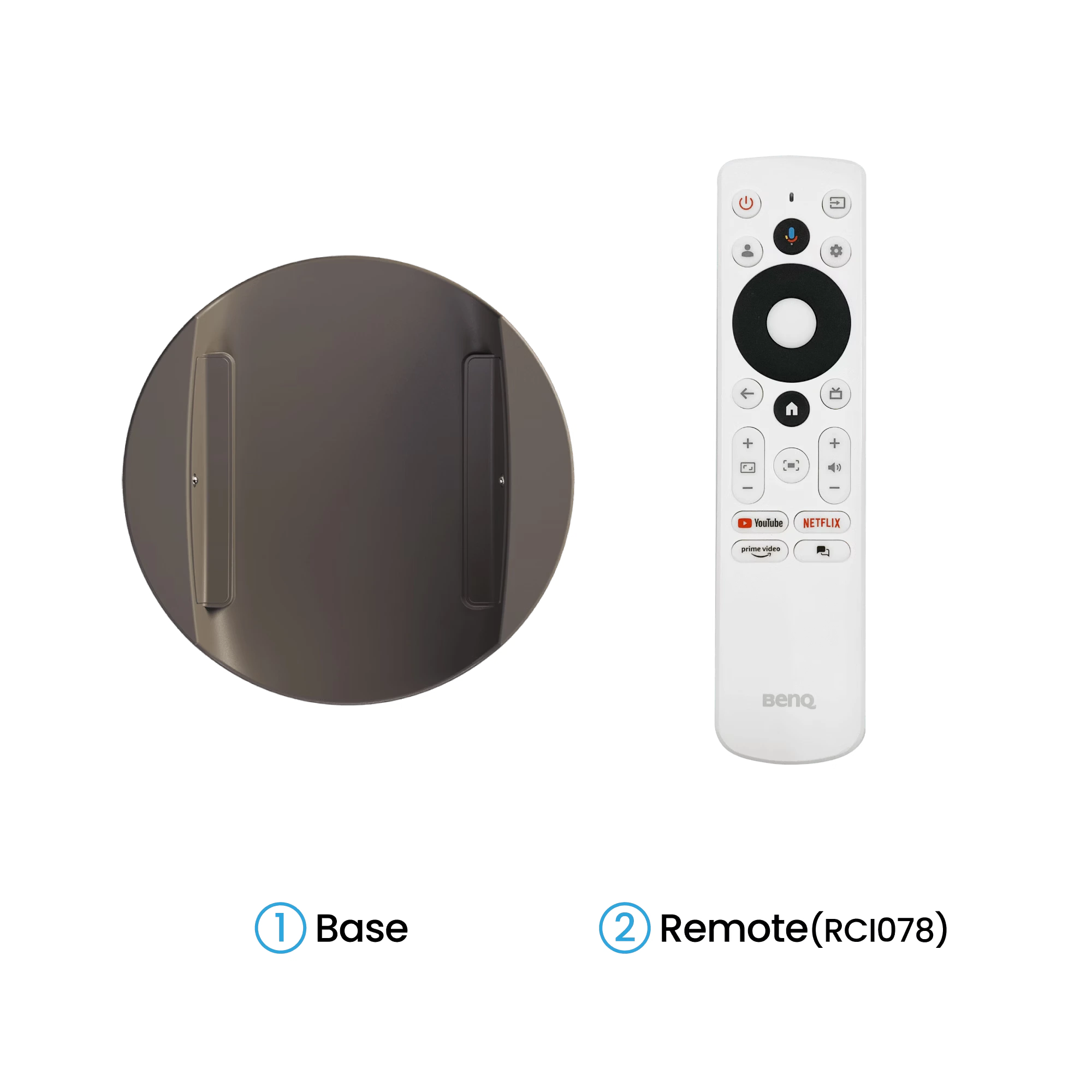
The BenQ GV32 Smart Portable Projector delivers stunning Full HD (1920 × 1080) visuals with 500 ANSI Lumens brightness, making it ideal for home entertainment,…
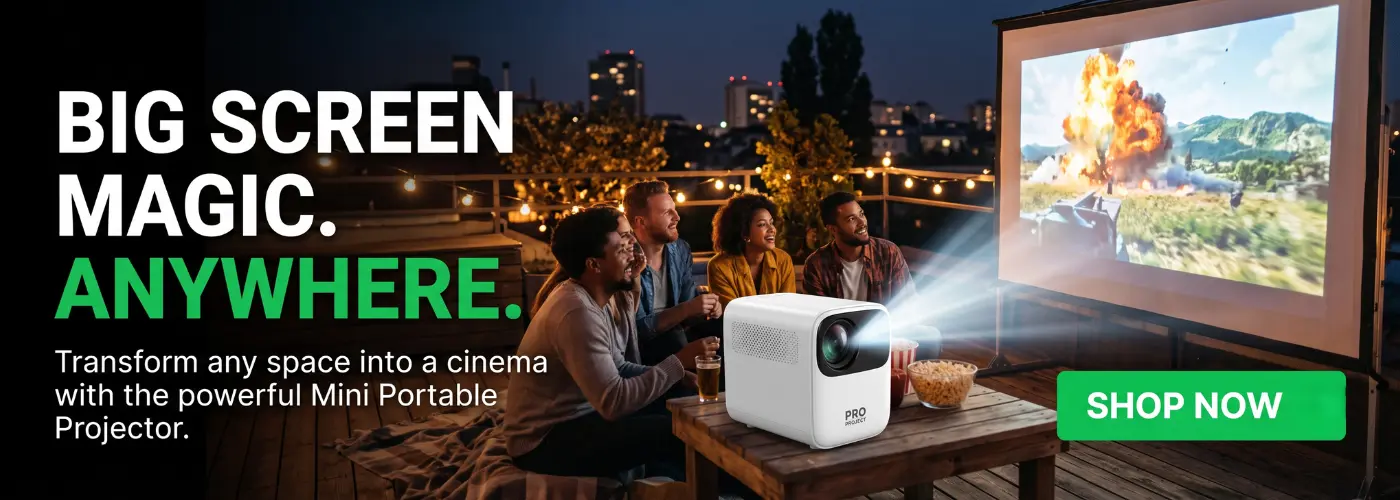
Compact projection technology allows you to set up a big-screen experience anywhere—from living room walls and bedroom ceilings to office meeting rooms and outdoor campsites. A mini portable projector combines compact light engines, solid-state LED illumination, and built-in wireless connectivity into a lightweight device that fits comfortably in a backpack or laptop bag.
Whether you need a portable display for streaming movies, giving business presentations on the road, or conducting classroom lessons, this comprehensive guide details performance factors, setup options, key specifications, and buying considerations for selecting the best mini projector in India.
A mini portable projector is a lightweight, handheld or pocket-sized visual display device designed to project video, images, and presentations onto walls or projection screens without requiring a permanent ceiling mount or bulky power setup.
A mini portable projector is a self-contained display system engineered around compact optical engines. Unlike traditional home theater projectors that weigh several kilograms and require permanent ceiling mount installations, portable models typically weigh between 300 grams and 2 kilograms.
Most modern portable devices utilize solid-state mini LED projector light engines or Digital Light Processing (DLP) technology. These light sources offer instant power-on capabilities, low power consumption, minimal thermal output, and operational lifespans exceeding 20,000 to 30,000 hours. Many units feature built-in batteries, integrated speakers, smart operating systems (such as Android OS), and wireless screen-mirroring capabilities.
Because specifications vary across entry-level, mid-range, and high-end models, use this reference table as a general baseline when comparing products on the market.
| Feature / Specification | Standard Mini Portable Projector Range | High-End / 4K Mini Projector Models |
|---|---|---|
| Display Technology | DLP / Single-Chip LCD | Advanced DLP / Laser-LED Hybrid |
| Native Resolution | 720p (1280x720) or 1080p Full HD | 1080p Native (Supports 4K Input/Decoding) |
| Light Source & Life | RGB LED (20,000 – 30,000 hours) | Solid-State LED / Laser (30,000+ hours) |
| Brightness (ANSI Lumens) | 100 – 400 ANSI Lumens | 500 – 1,000+ ANSI Lumens |
| Contrast Ratio | 1,000:1 – 3,000:1 | 5,000:1 – 100,000:1 (Dynamic) |
| Throw Ratio | 1.2:1 – 1.4:1 (Standard Throw) | 1.0:1 – 1.2:1 (Short Throw) |
| Battery Capacity | Optional / 4,000 – 10,000 mAh (1.5 – 2.5 hrs) | 10,000 – 15,000 mAh (2 – 4 hrs) |
| Inputs / Connectivity | HDMI, USB-A, 3.5mm Audio, Wi-Fi, Bluetooth | HDMI 2.0/2.1, USB-C (PD Charging), Wi-Fi 6, Bluetooth 5.0+ |
| Built-in Audio | 3W – 5W Mono/Stereo Speakers | 8W – 10W+ Tuned Stereo Speakers (Dolby Audio) |
| Weight | 300g – 900g | 800g – 1.8kg |
A mini portable projector transforms digital video signals into visual images using three primary steps:
Transform bedrooms, living rooms, or backyards into personal home theaters. Plug in a streaming stick, gaming console, or set-top box to enjoy movies, sports broadcasts, and casual console gaming on a massive wall surface.
Sales representatives, consultants, and corporate executives can conduct presentations in client offices or conference rooms without relying on external monitor availability.
Teachers, tutors, and trainers can display learning materials, video lectures, and interactive charts directly from a smartphone or tablet in coaching centers or remote classrooms.
Campers, road-trippers, and weekend travelers can pair a battery-operated mini projector with a portable folding screen or white tent wall for outdoor viewing sessions.
Before buying a mini portable projector in India, evaluate these core parameters:
Setting up a portable display requires minimal technical configuration:
Modern mini projectors connect with a wide range of source devices:
Ensure the manufacturer or authorized supplier provides a valid pan-India warranty (typically 1 to 2 years covering optical engines and internal boards). Verify that local repair centers or door-step pickup services are available before purchasing.
Prices for portable projectors in India vary widely based on hardware capabilities, optics, and brand authorization. Rather than a single fixed cost, pricing depends on several critical factors:
If you need a flexible, space-efficient, and easy-to-carry display, investing in a high-quality mini portable projector is a practical choice. For dark-room movie viewing, bedroom setups, and mobile business presentations, a native 1080p LED projector offering between 300 to 500 ANSI lumens delivers an optimal balance of clarity, portability, and value. Evaluate your ambient light conditions, required battery life, and input needs to choose the right model for your space.
1. What is the difference between native resolution and supported resolution?
Native resolution refers to the physical pixel grid of the optical chip inside the projector (e.g., 1080p). Supported resolution means the internal software can decode a higher-resolution input signal (such as a 4K video signal) and scale it down to display at the projector's native resolution.
2. Can I use a mini projector in daylight or a bright room?
Mini projectors perform best in low-light, dimmed, or dark environments. Because of their compact size and power constraints, they generally produce between 100 and 600 ANSI lumens, which can look washed out under direct daylight or heavy overhead fluorescent lighting.
3. How long does the LED lamp last in a mini LED projector?
Most solid-state LED light sources last between 20,000 and 30,000 operational hours. If used for 4 hours every day, the LED source can last over 12 to 15 years without needing replacement.
4. Can I stream Netflix, Prime Video, and YouTube directly?
If the projector features an authorized Android OS, you can download streaming applications directly. For models without built-in app licensing, simply plug a streaming stick (like an Amazon Fire TV Stick or Google TV) into the HDMI port to watch DRM-protected content.
5. How large a screen can a mini projector create?
Most portable units comfortably project clear images from 40 inches up to 120 inches, depending on throw distance and ambient room lighting. Darker rooms allow for larger projection sizes while preserving contrast.
6. Do I need a dedicated screen, or can I project onto a plain wall?
While a dedicated high-gain projection screen yields the best color vibrancy and contrast, a smooth, matte white or light-grey painted wall works well for everyday casual viewing.
7. How do I connect external audio to a portable projector?
You can connect external soundbars, home theaters, or portable Bluetooth speakers via the projector's built-in Bluetooth audio output, a 3.5mm auxiliary audio cable, or an HDMI ARC port if available.
8. How long does the internal battery usually last on a full charge?
Models equipped with internal batteries typically offer between 1.5 to 3 hours of continuous playback on a single charge, depending on brightness settings and speaker volume levels.
9. Can I connect my smartphone wirelessly to the projector?
Yes. Most smart mini projectors support wireless screen mirroring through protocols like Miracast for Android devices and AirPlay for iOS devices over a shared Wi-Fi network.
10. Does a mini projector support 4K playback?
Many modern units listed as a 4K mini projector feature 4K signal decoding capabilities. They accept 4K input from gaming consoles or streaming devices and output the image clearly in native 1080p Full HD resolution.