September 06, 2026 Manisha Maurya
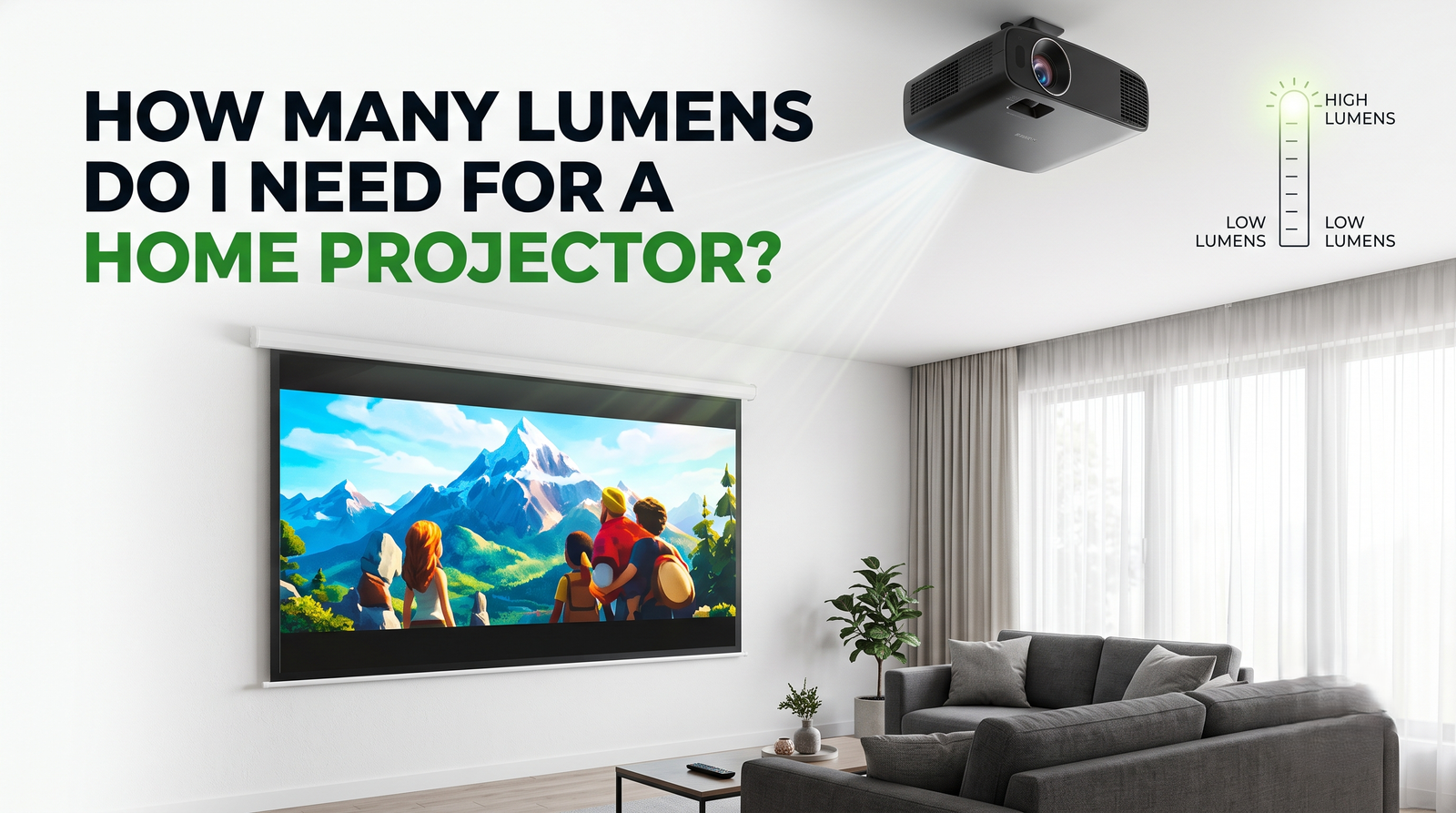
Setting up a home projector setup often starts with screen size and resolution, but brightness determines whether the image actually looks watchable. Many buyers purchase a projector based on resolution alone, only to discover that the image appears washed out, faded, or completely illegible as soon as a curtain opens or a light turns on.
The confusion deepens when browsing online marketplaces in India. Budget models often list figures like "9000 Lumens" at accessible prices, while established home cinema brands sell projectors rated at "2500 ANSI Lumens" for significantly higher rates. Without understanding what these numbers mean in real living spaces, it is easy to make an expensive mistake.
Matching brightness to your environment, projection surface, and viewing habits prevents buyer's remorse. Here is a practical breakdown to help you determine exactly how bright your projector needs to be.
For a dedicated home theatre in a dark room, you need 1,500 to 2,000 ANSI lumens. For a typical Indian living room with moderate ambient light and curtains drawn, you need 2,500 to 3,500 ANSI lumens. If you plan to use the projector during the daytime without blackout curtains or in a bright room, choose a model with at least 3,500 to 4,000 ANSI lumens paired with an ambient light-rejecting (ALR) screen.
| Room Environment | Lighting Conditions | Recommended ANSI Lumens | Recommended Screen Type |
|---|---|---|---|
| Dedicated Home Theatre | Complete darkness (blackout) | 1,500 – 2,000 | White screen (Gain 1.0 – 1.2) |
| Bedroom / Night Viewing | Low ambient light / soft lamps | 2,000 – 2,500 | Standard white or light grey |
| Living Room (Evening) | Moderate indirect lighting | 2,500 – 3,200 | Grey screen or high-contrast# How Many Lumens Do I Need for a Projector at Home? |
Setting up a home projector setup often starts with picking a screen size or deciding between 4K and 1080p. However, the factor that determines whether your setup produces a clear, cinematic image or a washed-out, grey rectangle is brightness.
Projector brightness is measured in lumens. Finding the right number depends entirely on the room's lighting conditions and screen size. A cinema room with blackout curtains requires vastly different light output than an Indian living room with sheer curtains and evening ambient lighting.
Choosing incorrectly usually leads to two problems: buy a projector with insufficient lumens, and the picture looks faded whenever a light is switched on; buy one that prioritises raw brightness without adequate contrast, and dark movie scenes turn into muddy grey silhouettes.
For most home setups, 1,500 to 2,500 ANSI lumens is the standard requirement.
The table below outlines realistic light output requirements for standard 100-inch to 120-inch projection screens across common Indian domestic environments.
| Room Type | Lighting Conditions | Recommended ANSI Lumens | Best Suited For |
|---|---|---|---|
| Dedicated Home Theatre | Complete blackout; dark walls and ceiling; no exterior light leakage | 1,200 – 1,800 | Critical movie viewing, high dynamic range (HDR) films |
| Bedroom / Multi-use Room | Drapes closed; minor ambient light or indirect warm lamps | 1,800 – 2,500 | Evening movies, streaming shows, console gaming |
| Standard Living Room | Indirect daylight through windows, standard ceiling lights on | 2,500 – 3,500 | Live sports, daytime TV, casual multi-person viewing |
| Bright Living Room / Balcony Adjacent | Unshaded large windows, strong direct daylight or bright white LED lights | 3,500 – 4,500+ | Daytime presentations, casual sports with open blinds |
A lumen is a standard unit used to measure the total amount of visible light emitted by a light source. In projection systems, this measurement reflects how much light the projector can throw onto a flat surface or dedicated screen.
A higher lumen rating produces a brighter picture. However, a brighter picture is not automatically a better picture. Projectors project light, but they cannot project "black"—black is simply the absence of light on the screen.
If the room has ambient light, that light hits the screen and raises the baseline brightness of dark scenes. A projector needs enough lumens to overpower this ambient light so whites stay clean and mid-tones do not fade.
One of the most frequent sources of confusion for buyers is the difference between measurement standards. Many budget projectors listed on online marketplaces claim "6,000 lumens" or "9,000 lumens" at very low prices. These figures rarely reflect usable screen brightness.
Calculating how many lumens for a projector setup depends on four variables:
Ambient light is the primary factor that diminishes projection clarity. Even a 40-watt warm tube light or indirect daylight bouncing off white tile floors washes out black levels on a matte screen. If you plan to watch cricket matches or news during the afternoon with windows uncovered, prioritize a light output of at least 3,000 ANSI lumens. If you exclusively watch films late at night, 1,500 ANSI lumens is often sufficient.
As screen size expands, the projector spreads the same quantity of light over a larger area, causing brightness to drop.
A projector screen’s reflectivity is measured in "gain."
Longer throw distances allow light to scatter slightly through air particles and lens optics before hitting the wall. Ultra-Short Throw (UST) laser projectors sit directly beneath the wall, preserving light intensity better than conventional standard-throw units mounted four metres back.
In a room with dark walls and zero window light, high lumens can actually degrade the viewing experience. An overly bright projector (e.g., 3,500+ ANSI lumens) in a small, completely dark space bounces excessive light off the screen onto walls, ceilings, and back onto the screen, raising black levels to dark grey. For a blackout theatre, 1,500 to 2,000 ANSI lumens preserves proper film grading, dark shadows, and comfortable eye relief.
Most Indian apartments feature light-coloured walls, large windows, and open floor plans that cannot be fully blacked out during the day. In this setup, a cinema-tuned 1,500 ANSI lumen projector will look dull and difficult to watch during daytime hours. A living room projector needs 2,500 to 3,500 ANSI lumens to maintain distinct contrast across everyday television programming, live sports, and gaming.
Projector pricing varies based on the light source technology used to produce those lumens.
Before committing to a specific brightness specification, confirm these four practical factors:
To answer how many lumens do I need for a projector, match the device directly to your room lighting:
A rating of 1,000 ANSI lumens is only sufficient if the room is completely dark and the screen size does not exceed 80 to 100 inches. In rooms with any ambient daylight or active indoor lighting, a 1,000 ANSI lumen image will appear washed out.
Yes. Using an excessively bright projector (such as 4,000+ ANSI lumens) in a small, pitch-black room can cause visual fatigue. Furthermore, extra light spills across the room, reflecting off walls and washing out dark scenes, which degrades contrast.
Inexpensive projectors typically state "light source lumens" or unverified peak measurements rather than international ANSI or ISO ratings. A generic projector claiming 8,000 lumens often produces only 200 to 400 ANSI lumens on an actual projection screen.
For backyard or terrace movie nights after sunset, 2,000 to 3,000 ANSI lumens works well for screen sizes between 100 and 120 inches. If nearby street lights or porch lights spill into the area, select at least 3,000 ANSI lumens.
No. Resolution (such as 1080p or 4K) governs image sharpness and detail, while lumens dictate brightness. However, higher lumens allow the fine details of a 4K image to remain clear and visible in moderate lighting.
Both are internationally recognised, standardised measurements calculated across a multi-point grid. ANSI was developed by the American National Standards Institute, while ISO 21118 was created by the International Organization for Standardization. Their real-world measurements are generally comparable.
To match the usability of a standard television during daylight hours without drawing heavy curtains, a projector setup requires 3,500 to 4,500 ANSI lumens, preferably matched with an ambient light-rejecting (ALR) screen.
Yes. Traditional ultra-high-pressure (UHP) mercury lamps gradually dim as they age, often losing 20% to 30% of their original brightness after 1,500 to 2,000 hours of operation. Solid-state LED and laser light sources degrade much more slowly over a typical 20,000-hour lifespan.

 Interactive flat Panel
 Interactive flat Panel
 Interactive flat Panel
 Interactive flat Panel
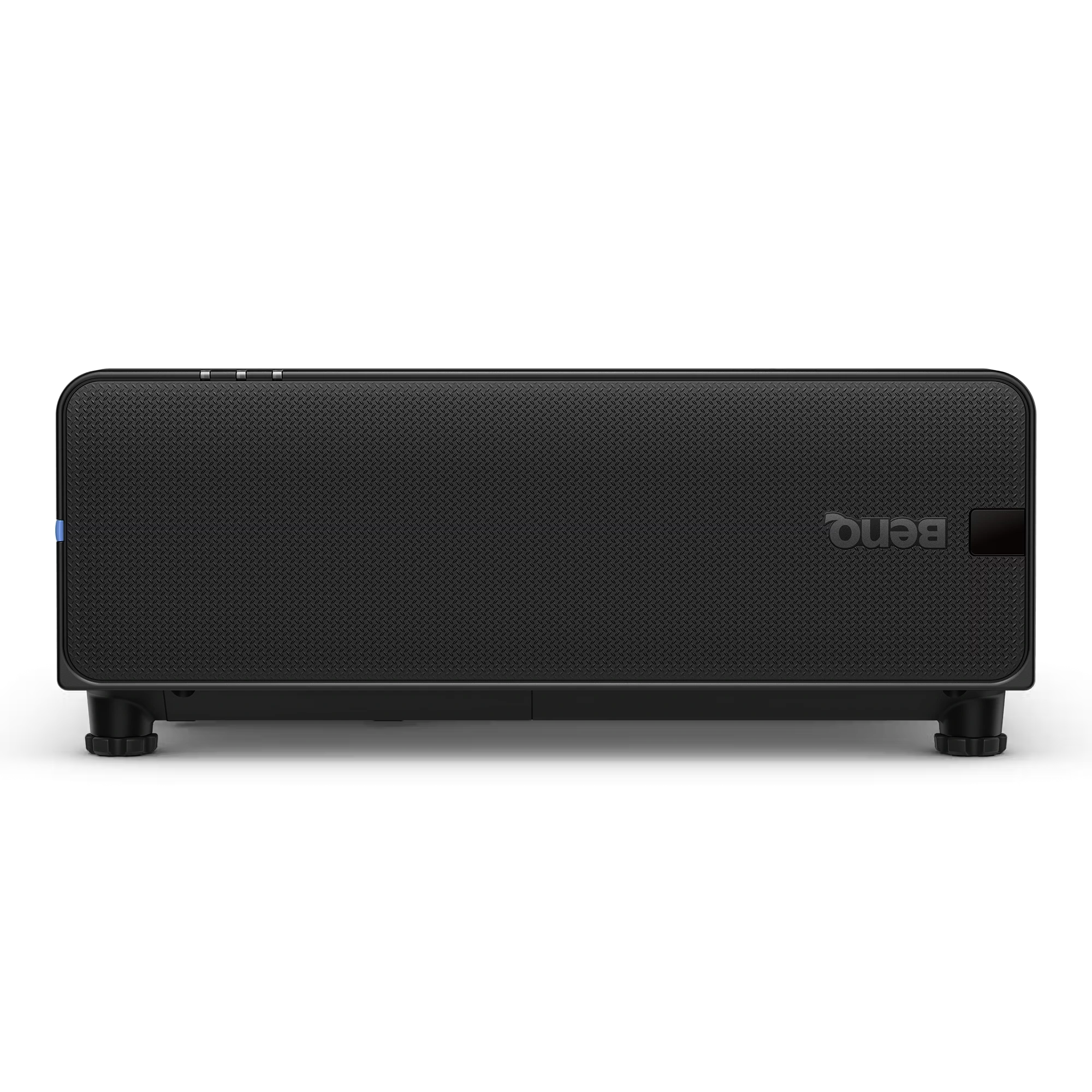
The BenQ LU895UST is a professional 5000 ANSI Lumen WUXGA laser simulation projector designed for immersive environments, museums, simulation centers,...
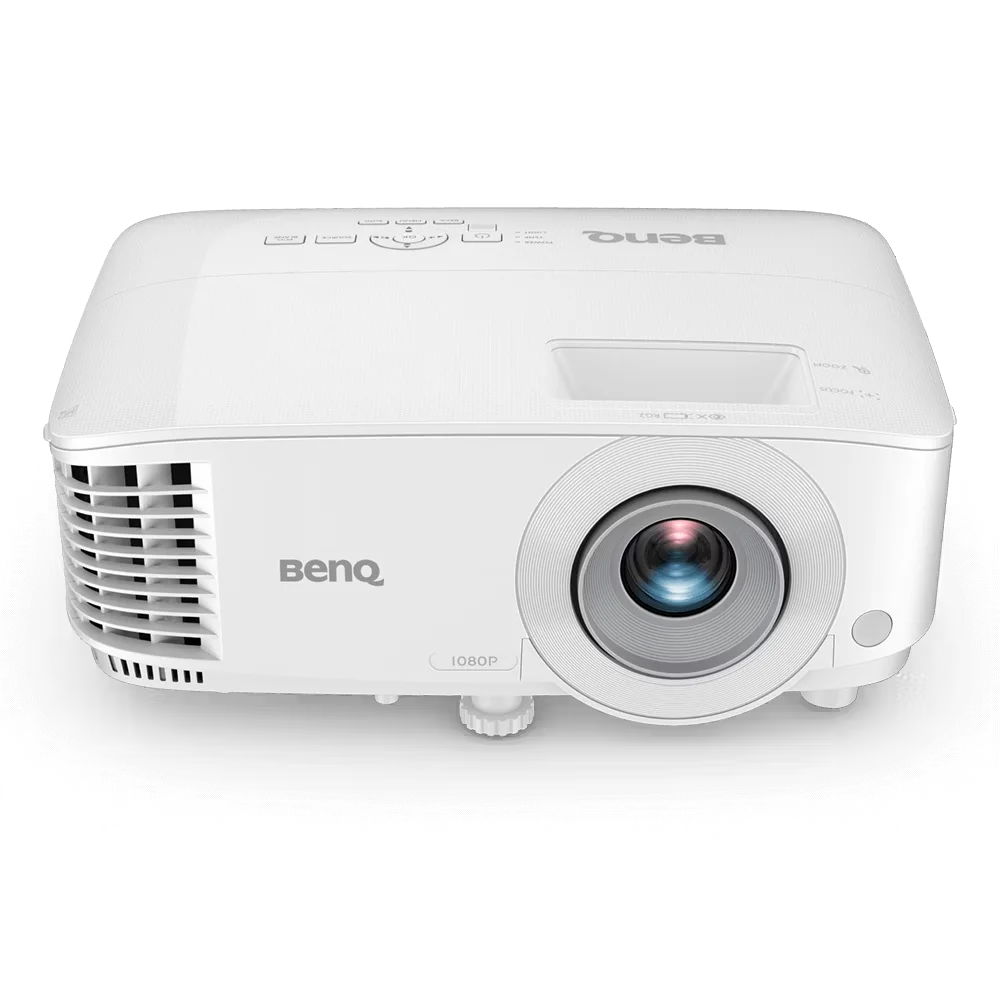
The BenQ MH560 is a Full HD 1080p business projector designed for meeting rooms, conference spaces, and classrooms. It delivers...
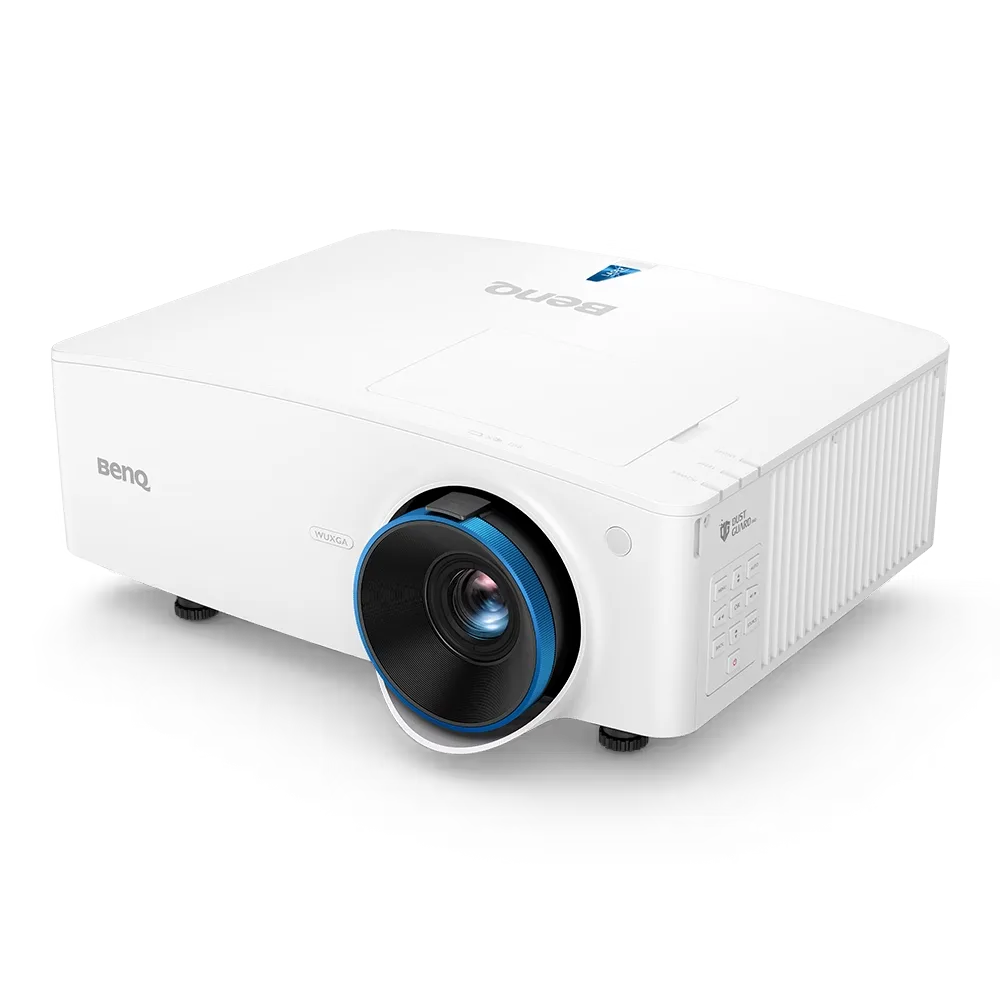
The BenQ LU935 is a professional-grade 6000 ANSI Lumens WUXGA laser projector designed for conference rooms, boardrooms, higher education, and...
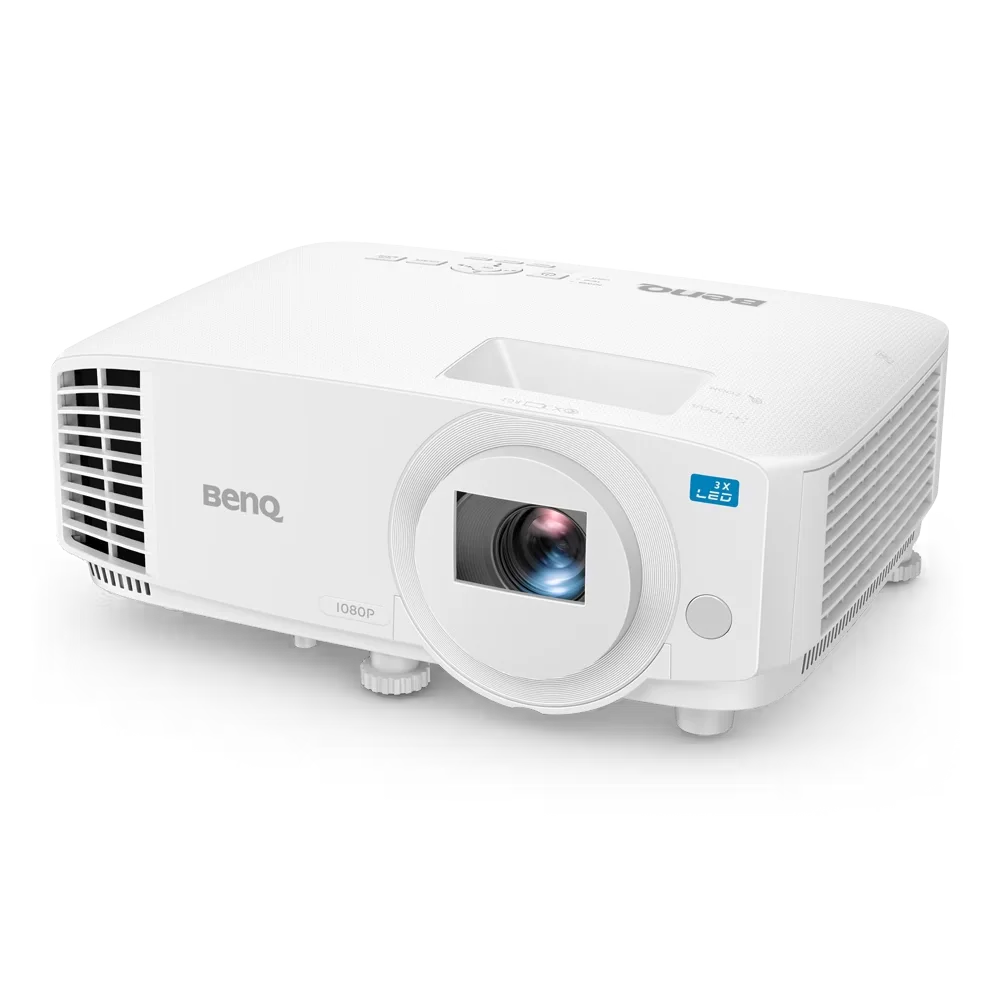
The BenQ LH500 is a Full HD LED meeting room projector designed for professional presentations and collaborative workspaces. It delivers...