August 31, 2026 Manisha Maurya
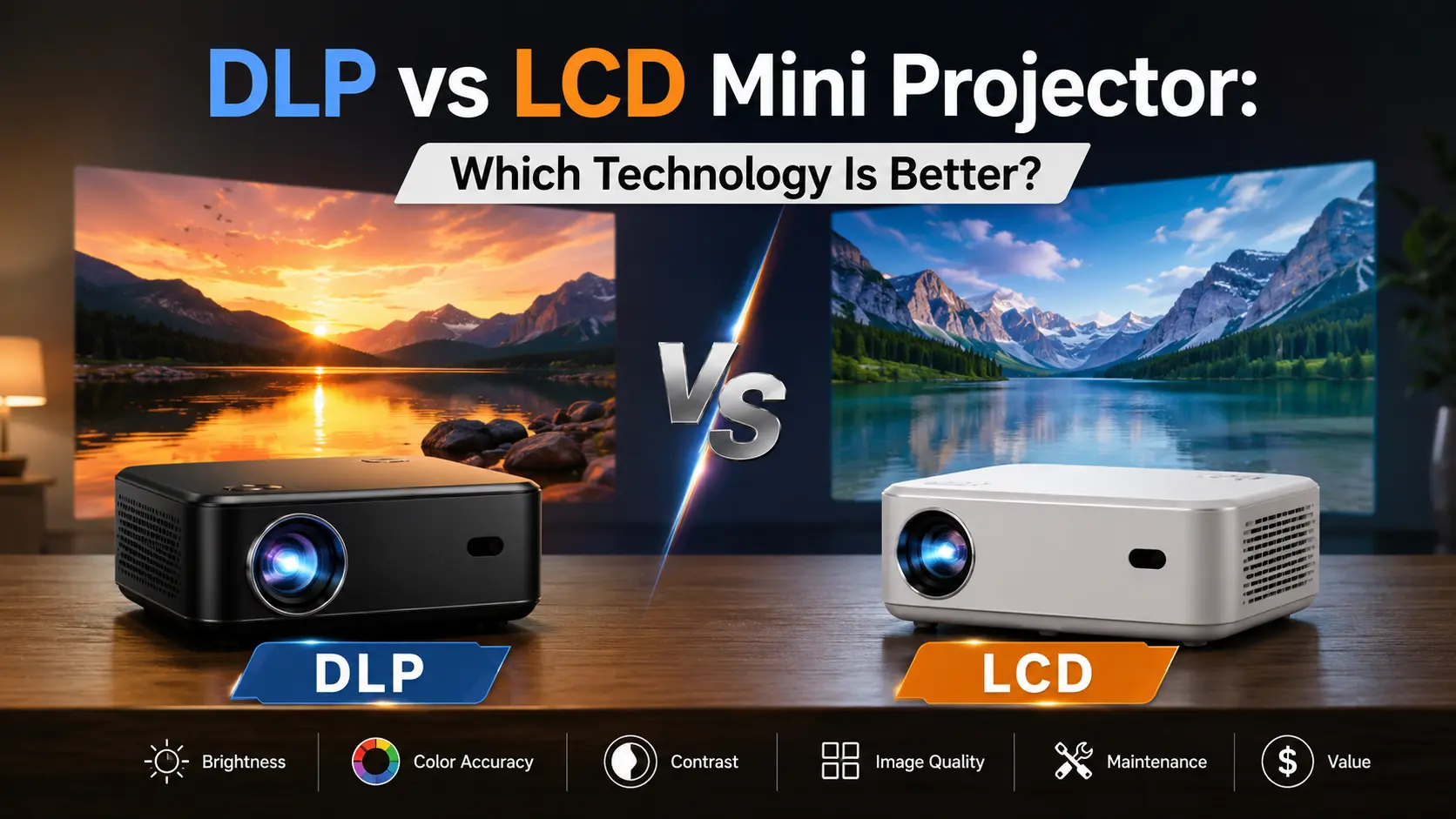
Choosing a compact projector for home entertainment, classroom presentations, or business travel often comes down to a fundamental hardware choice: Digital Light Processing (DLP) or Liquid Crystal Display (LCD). While both technologies project large images from small devices, the internal optical systems function entirely differently.
Many buyers in India evaluate mini projectors based purely on advertised lumens or resolution, only to find the image looks washed out, the device overheats quickly, or the colours appear unnatural. Understanding the core difference between DLP and LCD projector hardware helps prevent expensive buying mistakes.
This guide breaks down how both projection engines work, compares their performance across real-world metrics, and explains which option suits specific viewing environments and budgets.
For portable use, fast-paced video, high contrast, and long-term durability in dusty conditions, a DLP mini projector is generally the better choice. Its sealed optical engine prevents dust spots, and microscopic mirrors deliver smooth motion with deep black levels.
For buyers on a tighter budget who require bright images, vibrant colour saturation, and sharp text for presentations or well-lit rooms, an LCD mini projector is usually more cost-effective. LCD models avoid colour-wheel artefacts (rainbow effect) and deliver consistent colour brightness per rupee spent.
| Feature / Metric | DLP Mini Projectors | LCD Mini Projectors |
| Primary Technology | Digital Micromirror Device (DMD chip) | Single-panel LCD or 3LCD panels |
| Form Factor & Portability | Ultra-compact, pocket-friendly | Slightly bulkier due to optical paths |
| Contrast Ratio & Black Levels | High native contrast, deeper blacks | Moderate contrast, grayer blacks |
| Colour Brightness | Lower colour lumens on single-chip models | High colour brightness and saturation |
| Motion Handling | Fast response time, minimal blur | Occasional motion blur on budget panels |
| Dust Resistance | High (Sealed optical engine) | Moderate to Low (Requires air filters) |
| Rainbow Effect Risk | Yes (Visible to sensitive viewers on 1-chip DLP) | None |
| Pixel Structure | Less visible (Higher pixel fill factor) | Visible pixel grid on lower resolutions |
| Typical Price Segment in India | Mid to premium compact tiers | Budget to mid-range tiers |
A DLP (Digital Light Processing) mini projector uses an optical semiconductor developed by Texas Instruments known as a Digital Micromirror Device (DMD). This chip contains hundreds of thousands—or millions—of microscopic aluminium mirrors tilted rapidly toward or away from a light source (typically an LED or laser) to create an image.
In most portable DLP units, a single DMD chip is paired with a sequential colour wheel or RGB LEDs. Because the micromirrors sit extremely close together, the gap between pixels is barely noticeable, resulting in smooth video playback. DLP technology allows manufacturers to produce pocket-sized, battery-powered projectors without compromising on native contrast.

An LCD (Liquid Crystal Display) mini projector creates images by sending light through liquid crystal panels. In budget mini projectors, this is commonly a single LCD panel paired with an LED light source, functioning similarly to a backlit smartphone screen. In higher-grade commercial and home-theatre projectors, 3LCD technology splits light into red, green, and blue beams, passing each through its own panel before recombining them.
LCD projectors do not use spinning colour wheels or rapid mirror toggling. Instead, the liquid crystals modulate the light continuously. This produces bright, vivid colours that remain stable, making LCD units effective for displaying slides, diagrams, and daylight-visible video.

No, DLP and LCD projectors are not the same. While both project an enlarged visual onto a wall or screen, their internal light engines, maintenance demands, and visual characteristics differ significantly.
This structural difference affects everything from chassis size and fan noise to colour accuracy and long-term optical maintenance.
Contrast ratio determines how well a projector displays details in dark scenes. DLP projectors hold an advantage here because the DMD mirrors can tilt away entirely to dump unwanted light into an internal light absorber. This creates deep blacks and rich shadow detail, making DLP models well-suited for movie watching in dim rooms.
LCD projectors allow some background light to bleed through the liquid crystals even when displaying black. As a result, dark scenes can appear dark grey rather than true black. However, LCD units often produce punchier primary colours in medium-lit environments.
There is an important distinction between white brightness and colour brightness:
DLP chips boast microsecond response times. This rapid switching makes DLP mini projectors suitable for fast-action sports, gaming, and high-frame-rate content with minimal motion blur.
The primary trade-off with single-chip DLP is the rainbow effect (colour strobing visible as flashes of red, green, and blue, primarily when dark objects move across bright backgrounds). While many viewers do not notice it, sensitive users may experience eye strain. LCD projectors do not use colour wheels, making them entirely free from the rainbow effect.
If ultra-portability is your top priority, DLP leads the category. The compact nature of DMD chips allows manufacturers to build palm-sized, battery-operated units with minimal internal optics.
LCD projectors require larger internal light paths and polarizing filters to manage heat, resulting in a bulkier footprint and larger cooling fans that generate noticeable fan noise in quiet rooms.
Dust is one of the most common causes of projector failure in India.
Mini projector prices in India vary widely based on the underlying projection technology, light source, and native resolution rather than the marketing claims on the box.
Factors Influencing Quotations and Price Differences:
Before finalising a mini projector purchase, run through this practical checklist:
Pros:
Cons:
Pros:
Cons:
The choice between a DLP and LCD mini projector depends on how and where you plan to use the device.
If you prioritize portability, dark-room cinematic contrast, minimal maintenance, and fast gaming performance, invest in a DLP mini projector. It is the industry standard for on-the-go professionals and movie enthusiasts who want reliable, dust-free operation in a compact package.
If your primary constraints are budget, vibrant colour output in partially lit rooms, and sharp text for office or classroom material, an LCD projector provides the best value per rupee.
The main difference lies in how they generate images. DLP projectors bounce light off millions of microscopic mirrors on a DMD chip, creating high contrast and compact designs. LCD projectors pass light through liquid crystal panels, producing bright colours and sharp text without colour wheel artefacts.
DLP is generally preferred for dedicated home theatre viewing in dark rooms because it provides deeper black levels, higher native contrast, and smoother motion rendering. However, mid-to-high-end 3LCD projectors are also popular for their colour accuracy and high brightness.
The rainbow effect occurs on single-chip DLP projectors when the internal colour wheel rotates sequential red, green, and blue light onto the screen. Some viewers perceive these rapid colour transitions as brief multi-coloured flashes around bright, moving objects.
Both technologies last upwards of 20,000 to 30,000 hours when paired with modern solid-state LED or laser light sources. However, DLP units often last longer in real-world conditions because their sealed optical engines protect internal parts from dust accumulation and heat degradation.
Mini projectors of any type struggle in direct sunlight due to their compact light sources. To use an LCD mini projector during the day, you will need curtains or blinds to control ambient light, alongside a screen size kept under 60–70 inches to maintain image clarity.
Budget LCD mini projectors (priced under ₹10,000) are suitable for casual, entry-level entertainment in dark rooms. However, buyers should expect lower contrast, manual focus adjustments, audible fan noise, and the possibility of dust ingress over prolonged use.
Most DLP mini projectors feature sealed optical engines and do not require periodic optical filter cleanings. Keeping the exterior ventilation vents clear of dust using a soft dry cloth is usually sufficient.
DLP mini projectors are generally better for gaming due to the fast switching speed of micromirrors, which significantly reduces motion blur and ghosting during high-speed gameplay.


 Interactive flat Panel
Interactive flat Panel
Interactive flat Panel
 Interactive flat Panel
 Interactive flat Panel
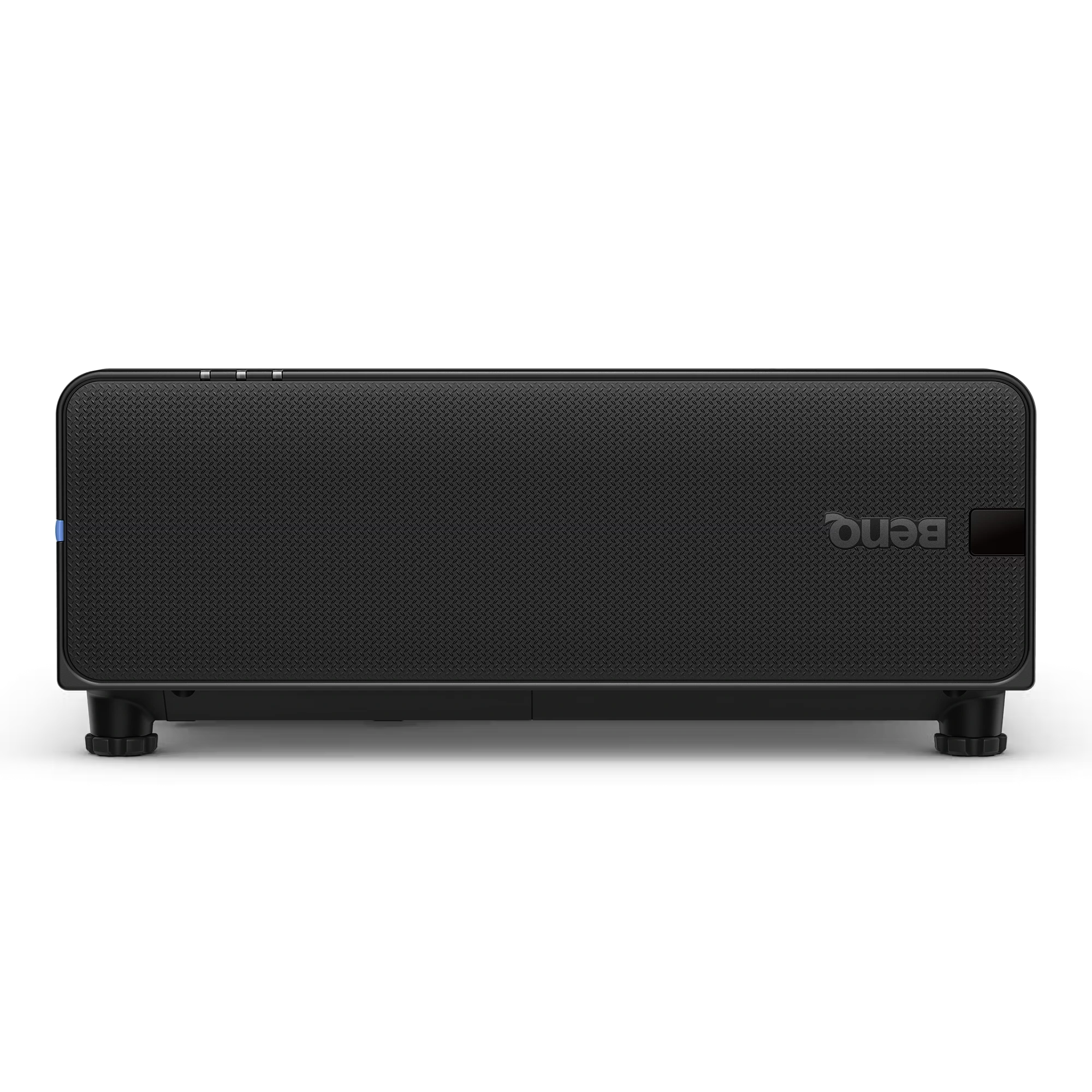
The BenQ LU895UST is a professional 5000 ANSI Lumen WUXGA laser simulation projector designed for immersive environments, museums, simulation centers,...
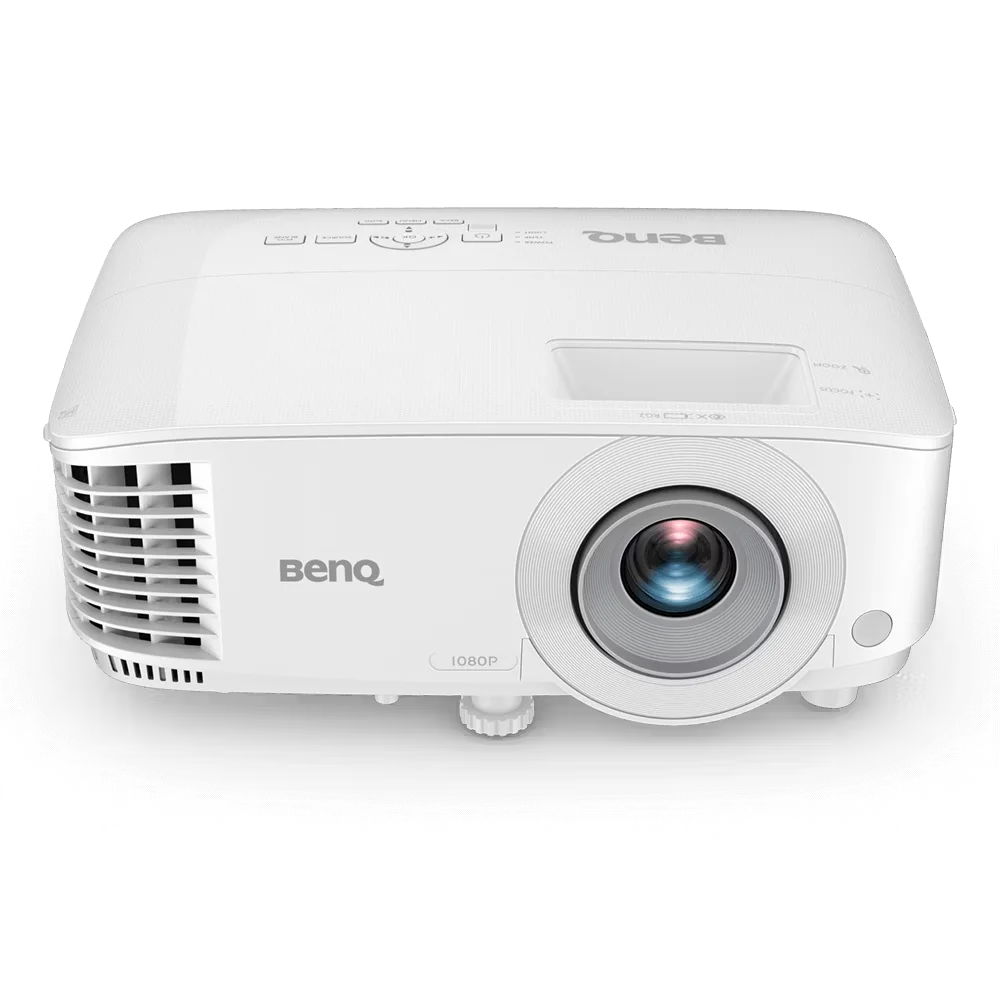
The BenQ MH560 is a Full HD 1080p business projector designed for meeting rooms, conference spaces, and classrooms. It delivers...
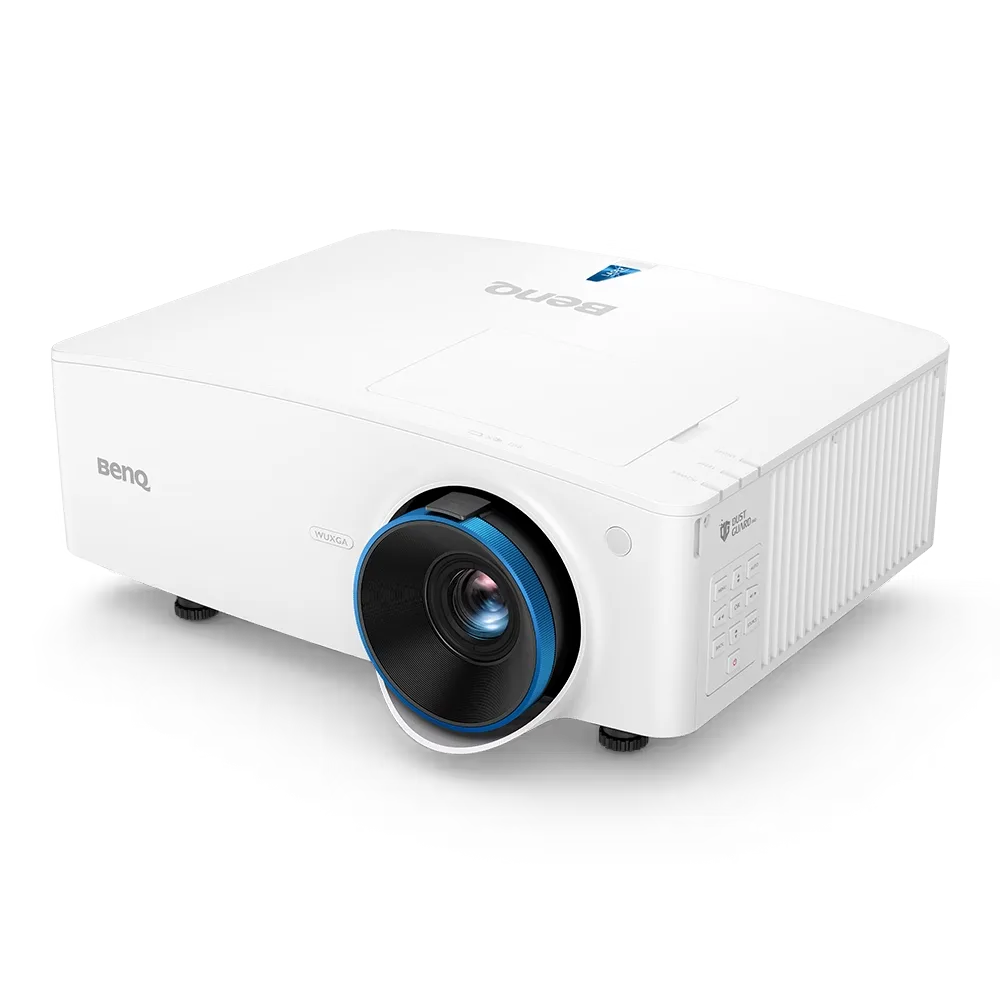
The BenQ LU935 is a professional-grade 6000 ANSI Lumens WUXGA laser projector designed for conference rooms, boardrooms, higher education, and...
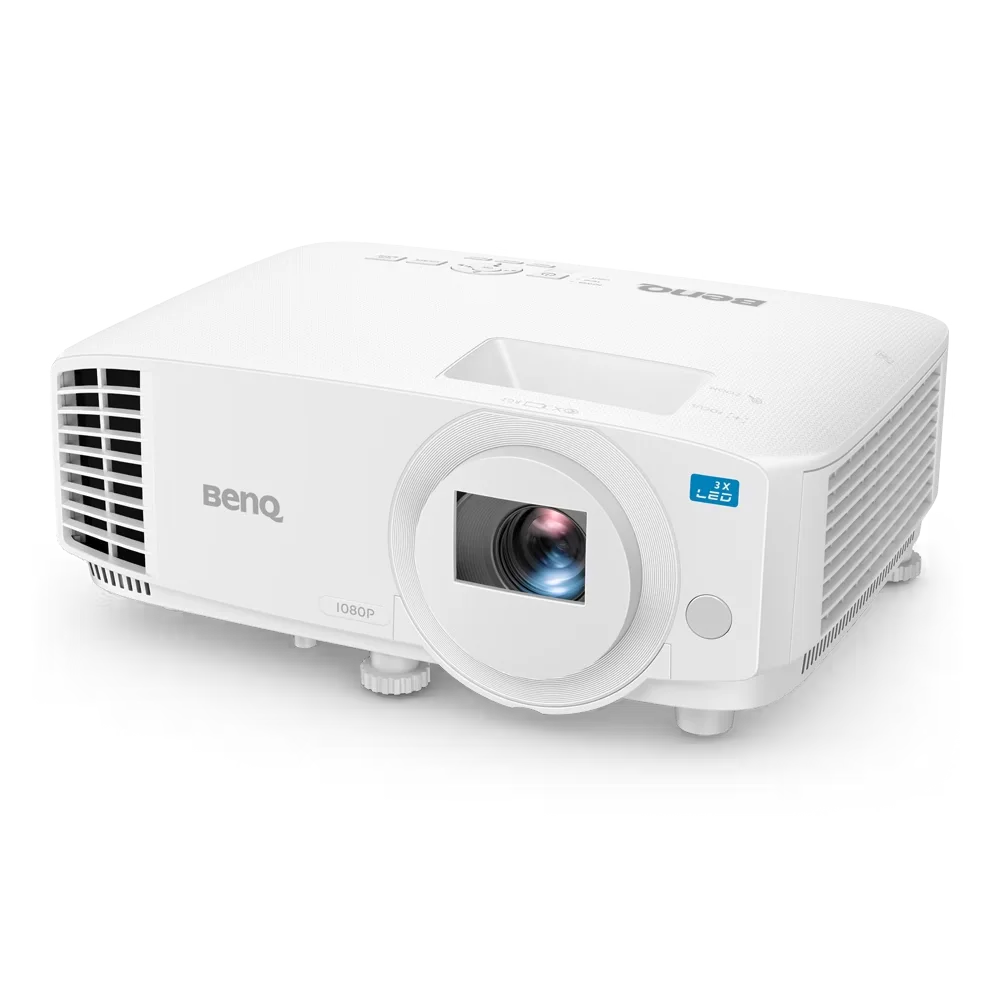
The BenQ LH500 is a Full HD LED meeting room projector designed for professional presentations and collaborative workspaces. It delivers...