September 10, 2026 Manisha Maurya

Choosing a home projector used to mean picking between a standard classroom-style unit and an expensive dedicated cinema machine. Today, the choice comes down to the light source behind the lens: traditional lamp, solid-state LED, or laser.
Each technology handles brightness, color reproduction, heat, and ongoing running costs differently. A model that looks sharp in a dedicated basement cinema will struggle in a typical Indian living room with thin curtains and pale walls. Similarly, a portable projector designed for compact bedrooms may not deliver the image size or contrast you expect for family sports nights.
Determining which projector is best for home use requires matching the light engine to your actual room conditions, how many hours a day you plan to run it, and your appetite for future maintenance.
Choose an LED projector if you want a compact, energy-efficient setup for a bedroom or dark room, plan to stream movies occasionally, and want zero maintenance without changing bulbs.
Choose a lamp projector if you need high screen brightness (2,500 to 3,500+ ANSI lumens) for sports or family viewing on a strict budget, and you do not mind replacing the bulb every few years.
Choose a laser projector if you want a true living room TV replacement, ultra-short-throw (UST) capability, instant on/off speeds, top-tier color accuracy, and high brightness that holds up over tens of thousands of hours.
Feature | LED Projector | Lamp (Bulb) Projector | Laser Projector |
|---|---|---|---|
Typical Brightness | 500 – 1,500 ANSI Lumens (higher on flagship units) | 2,000 – 4,000 ANSI Lumens | 2,000 – 5,000+ ANSI Lumens |
Light Source Lifespan | 20,000 – 30,000 hours | 3,000 – 6,000 hours | 20,000 – 30,000 hours |
Ambient Light Tolerance | Low to moderate; best in dim or dark rooms | Good; handles ambient light well | High; pairs well with ALR screens in lit rooms |
Warm-up / Cool-down | Instant (under 10 seconds) | Requires 1–2 minutes warm-up and cool-down | Instant (under 10 seconds) |
Maintenance | Minimal; clean dust filters | Regular; bulb replacement required | Minimal; sealed optical engines |
Power Consumption | Low | High | Moderate to high |
Initial Purchase Cost | Budget to mid-range | Low to mid-range | Premium |
To evaluate which light source suits your space, you need to understand how each generates an image and where its mechanical trade-offs lie.
A traditional lamp projector uses a high-pressure mercury vapor arc lamp to produce intense white light. This light is focused through a color wheel (in DLP models) or split across internal mirrors (in 3LCD models) to form the final projected image.
Because high-pressure bulbs produce raw illumination very efficiently, lamp projectors offer the lowest cost per lumen of brightness on the market. However, they run hot, require internal fans that generate audible noise, and demand a cooling-off period before you can unplug them. Over time, the bulb gradually dims before burning out entirely, requiring replacement.
An LED projector replaces the hot mercury bulb with individual red, green, and blue semiconductor light-emitting diodes. By alternating these solid-state diodes directly, many LED units eliminate the mechanical color wheel entirely.
LEDs run significantly cooler than traditional bulbs, which allows manufacturers to build compact, quiet, and even battery-powered designs. They also provide high color saturation—often appearing brighter to the human eye than their raw lumen rating suggests (known as the Helmholtz-Kohlrausch effect). Their main trade-off is peak brightness: standard LED units rarely compete with lamps or lasers when fighting ambient daylight.
A laser projector generates light using solid-state laser diodes. Some models direct a blue laser at a yellow phosphor wheel to create white light, while higher-end triple-laser (RGB) projectors use dedicated lasers for each primary color.
Laser systems produce a focused, coherent beam that loses very little energy inside the optical engine. This results in wide color gamuts (covering BT.2020 cinema standards), high contrast, and brightness levels comparable to or higher than traditional commercial lamps. Laser engines degrade slowly and evenly over decades of normal use, though they carry a higher upfront cost.
A frequent point of confusion among first-time buyers is mixing up the light source with the display technology.
The Light Source (Lamp, LED, or Laser) simply generates the illumination.
The Display System (DLP, 3LCD, or LCoS) takes that light and creates the actual pixels, motion, and contrast.
You can have a Laser DLP projector, an LED DLP projector, or a Lamp-based 3LCD projector. When shopping, do not treat "DLP" and "Laser" as competing options; one is the chip drawing the picture, and the other is the lamp powering it.
Ambient light is the primary challenge in standard Indian homes, where marble or light tile floors and white walls bounce light across the room.
Lamp: Excellent for open living rooms on a modest budget. A 3,000-lumen lamp projector can comfortably throw a clear 100-inch picture for cricket or afternoon TV, provided you draw light curtains.
LED: Best suited for light-controlled spaces. Most consumer LED units deliver between 700 and 1,500 ANSI lumens. They produce vibrant, cinema-grade color in a darkened bedroom, but will wash out quickly if sunlight enters the room.
Laser: The top performer across varying light levels. Laser projectors regularly hit 2,500 to 3,500+ ANSI lumens while maintaining rich color depth. When paired with an Ambient Light Rejecting (ALR) screen, a laser projector functions effectively as an alternative to an 85-inch or 100-inch television.
A home theater projector should fit how you watch media, whether that is a movie twice a week or streaming daily shows for five hours straight.
Lamp Projectors: Bulbs last between 3,000 and 5,000 hours in standard power mode (stretching to 8,000–10,000 hours in lower-brightness Eco modes). At 4 hours of daily use, you will need a replacement lamp roughly every 2.5 to 3 years. Replacement lamps vary in cost depending on whether you purchase an original manufacturer unit or a compatible bare bulb, and you must clean or swap air filters regularly to prevent heat buildup.
LED & Laser Projectors: Both solid-state engines are typically rated for 20,000 to 30,000 hours. At 5 hours of use every single day, a 25,000-hour engine will run for more than 13 years. Most users will upgrade the projector for newer connectivity, resolution, or processing standards long before the light engine fails. Because most laser and LED engines are completely sealed, dust maintenance is minimal.
Lamp: Delivers natural skin tones and reliable Rec.709 color coverage. Black levels depend heavily on whether the projector features a dynamic mechanical iris to clamp down light during dark movie scenes.
LED: Delivers deep color saturation due to the spectral purity of narrow-band diodes. Colors often look punchy and vibrant, making animation and modern digital films look sharp even at lower lumen ratings.
Laser: Holds the edge for cinematic color and high dynamic range (HDR) handling. Premium triple-laser systems can reproduce wide color spaces without the brightness penalties that affect lamp units when filters are placed in the optical path.
Lamp: Takes 45 to 90 seconds to strike the arc, warm up the gas, and stabilize brightness. When turning it off, the internal exhaust fans continue running loudly to prevent the housing from melting. Abrupt power outages—common during monsoon season in many areas—can thermal-shock a hot lamp and shorten its life unless connected to an uninterrupted power supply (UPS).
LED & Laser: Turn on and shut down instantly, similar to a standard smart TV. Because they run cooler, cooling systems can use larger, slower-spinning fans or liquid cooling, resulting in quieter operation.
If you have a dedicated room with dark walls and heavy blackout curtains, brightness is secondary to black levels, motion handling, and color fidelity.
Primary Recommendation: Mid-range LED or Home Cinema Lamp Projector.
Why: In pitch darkness, a 1,200 to 2,000-lumen projector is plenty. An LED projector provides zero maintenance, rich color, and silent fan operation. Alternatively, a home-theater-tuned lamp projector with a dynamic iris offers deep black levels at an accessible price.
If the projector will sit in a hall or living room, running through the afternoon for sports, news, and evening streaming with family members walking in and out.
Primary Recommendation: Laser Projector (Standard Throw or Ultra-Short Throw).
Why: You need brightness that overpowers ambient light and an engine that can run 6 to 8 hours a day without running down a bulb within two years. An Ultra-Short-Throw (UST) laser projector placed a few inches from the wall keeps foot traffic from blocking the beam.
If you need a projector you can shift between the bedroom, balcony, and living room, or pack away when not in use.
Primary Recommendation: Compact LED Projector.
Why: LED projectors are lightweight, tolerate frequent moving without delicate filament bulbs breaking, feature instant power-on, and often include integrated smart operating systems with auto-keystone correction.
Projector pricing in India reflects import duties, technology maturity, and distribution channels.
Entry-Level LED Projectors: Models from budget consumer brands range from ₹15,000 to ₹40,000. These offer lower brightness (often marketed as "light source lumens" rather than verified ANSI lumens) and are suitable only for fully dark bedrooms. Reliable full-HD/4K lifestyle LED projectors from recognized brands generally start between ₹50,000 and ₹1,10,000.
Traditional Lamp Projectors: Full-HD and 4K entry-level lamp projectors from established home theater brands typically range from ₹60,000 to ₹1,30,000. When calculating your budget, factor in the cost of an original replacement lamp module every few years.
Laser Projectors: Standard long-throw laser home projectors generally begin around ₹1,40,000 to ₹2,00,000. Ultra-Short-Throw (UST) 4K "laser TV" consoles usually range from ₹2,20,000 to ₹4,50,000+, depending on whether they use a single-laser or triple-laser engine.
Before finalizing your purchase, confirm these technical factors:
Verify ANSI or ISO Lumens: Ignore uncertified marketing claims like "peak lumens," "LED lumens," or "lux." Insist on ANSI or ISO lumen ratings to evaluate true brightness.
Calculate the Throw Ratio: Ensure the distance between your wall and your mounting position supports your desired screen size (e.g., a 1.2:1 throw ratio requires roughly 2.6 meters for a 100-inch image).
Check Service and Warranty Networks: Verify that the brand maintains authorized service centers in your city. Replacing a cooling fan or servicing an optical assembly is challenging if the brand operates solely via direct import.
Account for Power Backup: If your neighborhood experiences power cuts, ensure your home inverter or UPS can handle the projector's power draw (especially 250W–400W lamp units) to prevent sudden thermal shutdowns.
Port Selection: Confirm the presence of HDMI 2.0 or 2.1 ports with eARC support if you plan to route Dolby Atmos audio to an external AV receiver or soundbar.
Pros:
Long operating life (20,000+ hours) with zero lamp changes.
Compact form factors with low power draw and quiet fans.
Instant power-on and fast shutdown.
Cons:
Limited peak brightness; struggles in rooms with ambient light.
Limited optical zoom on portable designs, requiring exact physical placement.
Pros:
Low initial cost for high lumen output.
Proven optical designs with flexible zoom and lens shift on mid-tier models.
Readily available repair knowledge and modular bulb replacements.
Cons:
Bulbs degrade gradually in brightness and color temperature over time.
Noisy fans and noticeable heat output.
Warm-up and cool-down cycles required during every session.
Pros:
Outstanding brightness and wide color gamut coverage.
Long lifespan with minimal degradation over tens of thousands of hours.
Available in Ultra-Short-Throw designs that sit right against the wall.
Cons:
Highest initial purchase cost.
Non-replaceable light source; if the laser bank fails out of warranty, repair costs can be substantial.
The ideal projector light engine depends on your room environment and usage patterns:
For most casual users, small bedrooms, or portable cinema nights: An LED projector is the most practical choice. It eliminates bulb maintenance, runs cool and quiet, and delivers saturated, rich color in a darkened room without setup friction.
For budget-conscious buyers who need high brightness: A traditional lamp projector remains the value leader. It delivers the lumens required to cut through moderate living room ambient light at an upfront price point that laser cannot match.
For daily living room use, sports, and primary TV replacement: A laser projector is the best long-term investment. Its high lumen output, instant startup, durable performance, and compatibility with UST formats make it the most versatile and capable home display technology available today.
A laser projector or a high-output lamp projector (rated at 3,000 ANSI lumens or higher) is best for bright living rooms. LED projectors generally lack the output needed to overcome ambient daylight unless the room is significantly darkened.
No. LED projectors use solid-state diodes that are integrated into the internal board. They are designed to last between 20,000 and 30,000 hours, which typically outlasts the practical lifespan of the projector's other electronics.
Yes, especially an Ultra-Short-Throw (UST) laser projector paired with an Ambient Light Rejecting (ALR) screen. This setup delivers instant power-on, loud integrated audio, smart streaming interfaces, and sufficient brightness to watch news, sports, and casual content during daylight hours.
Lamp projectors offer high brightness at a significantly lower upfront manufacturing cost. For commercial spaces, classrooms, and budget-conscious home theaters needing 3,000+ ANSI lumens under ₹80,000, lamp technology remains cost-effective.
Modern consumer laser projectors include integrated safety sensors. If a child or pet walks in front of the lens, the projector instantly dims or shuts off the beam to protect their vision. Once the obstruction clears, the image resumes automatically.
The projector does not suddenly stop working. The 20,000-hour figure represents the point where the light engine reaches roughly 50% of its original brightness. Even at that stage, the projector remains functional, though dimmer than when new.
A typical LED projector consumes 60W to 150W, making it more efficient than many large TVs. Lamp projectors consume between 250W and 400W due to the heat generated by the bulb. Laser projectors sit in the middle, generally drawing 150W to 350W depending on their brightness setting.
You can project onto a flat wall, but it will degrade picture quality. Standard wall paint absorbs light unevenly and scatters reflections, flattening your contrast and black levels. A dedicated fixed-frame or motorized screen ensures a flat surface and accurate color reflection.
 Interactive flat Panel
 Interactive flat Panel
 Interactive flat Panel
 Interactive flat Panel
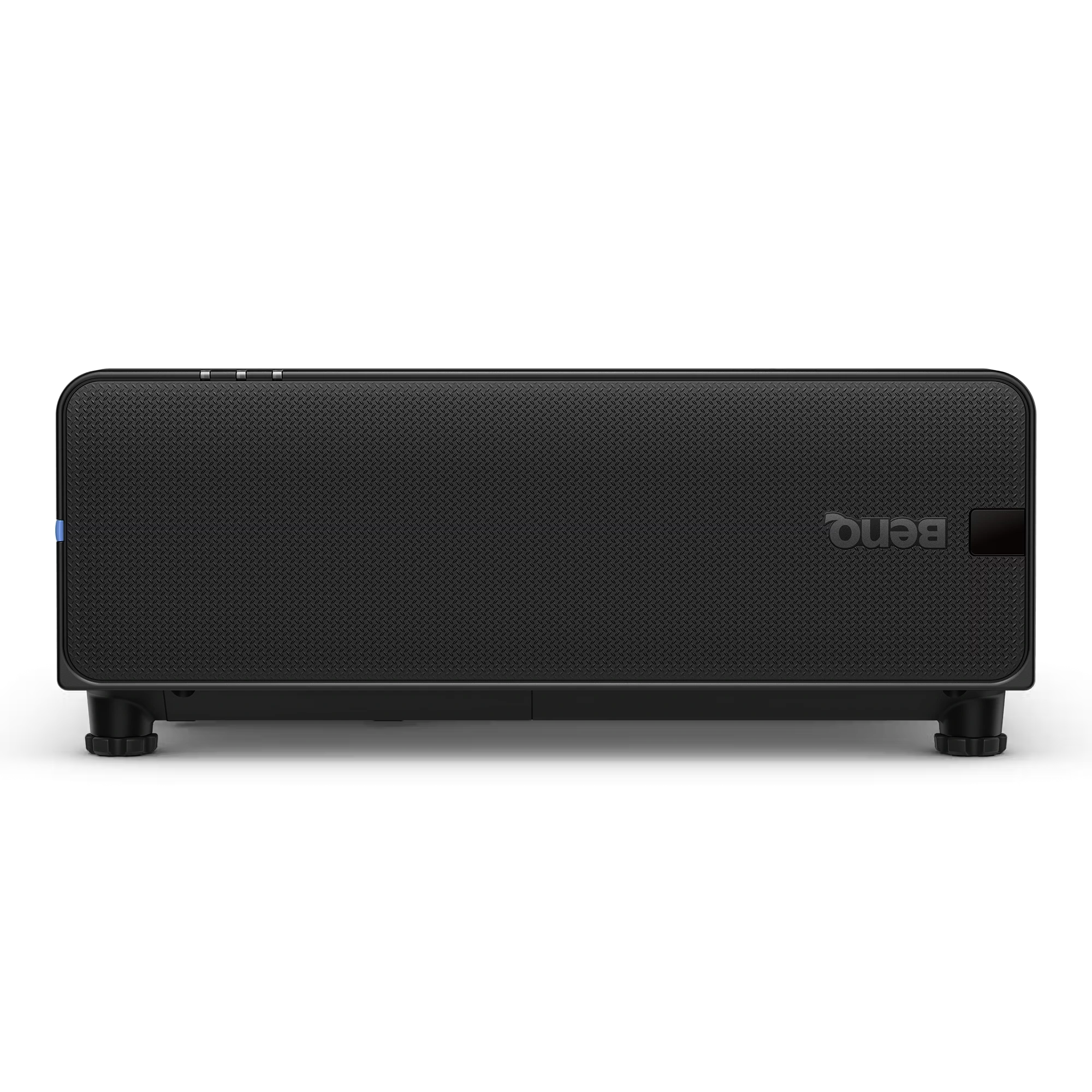
The BenQ LU895UST is a professional 5000 ANSI Lumen WUXGA laser simulation projector designed for immersive environments, museums, simulation centers,...
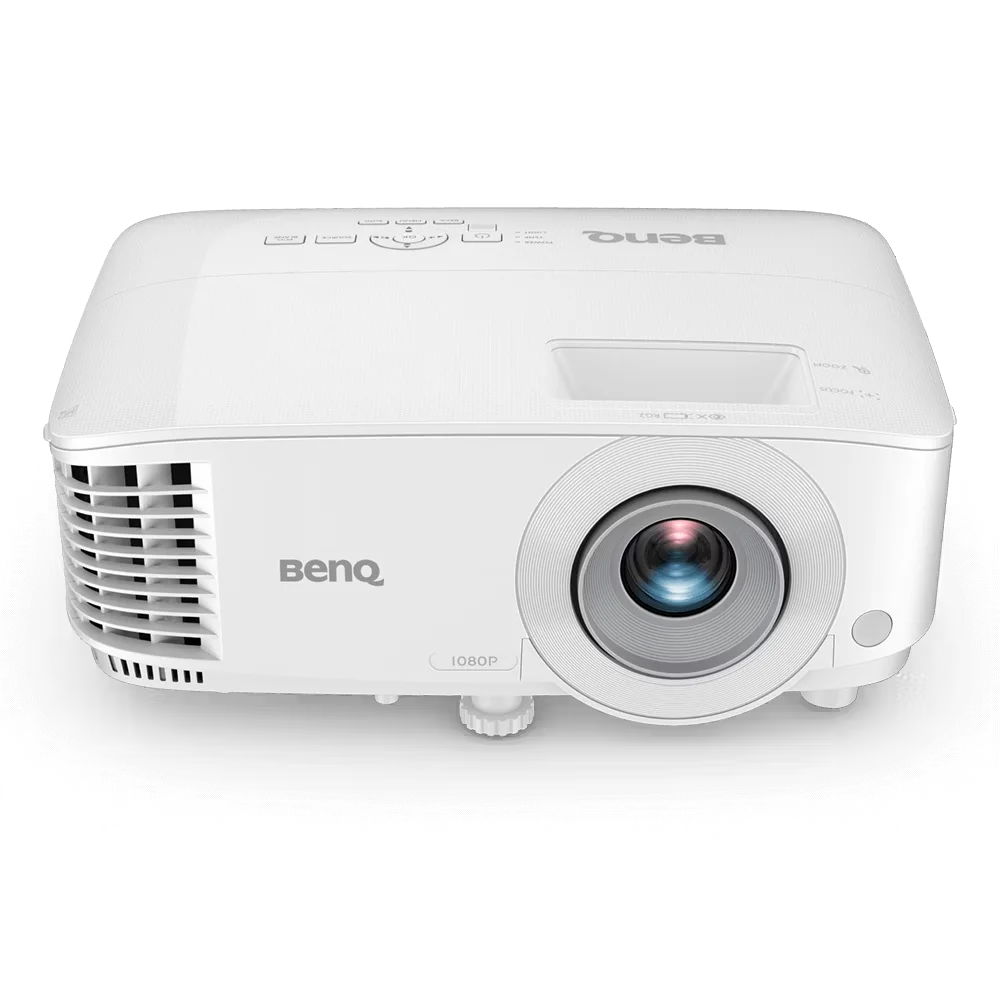
The BenQ MH560 is a Full HD 1080p business projector designed for meeting rooms, conference spaces, and classrooms. It delivers...
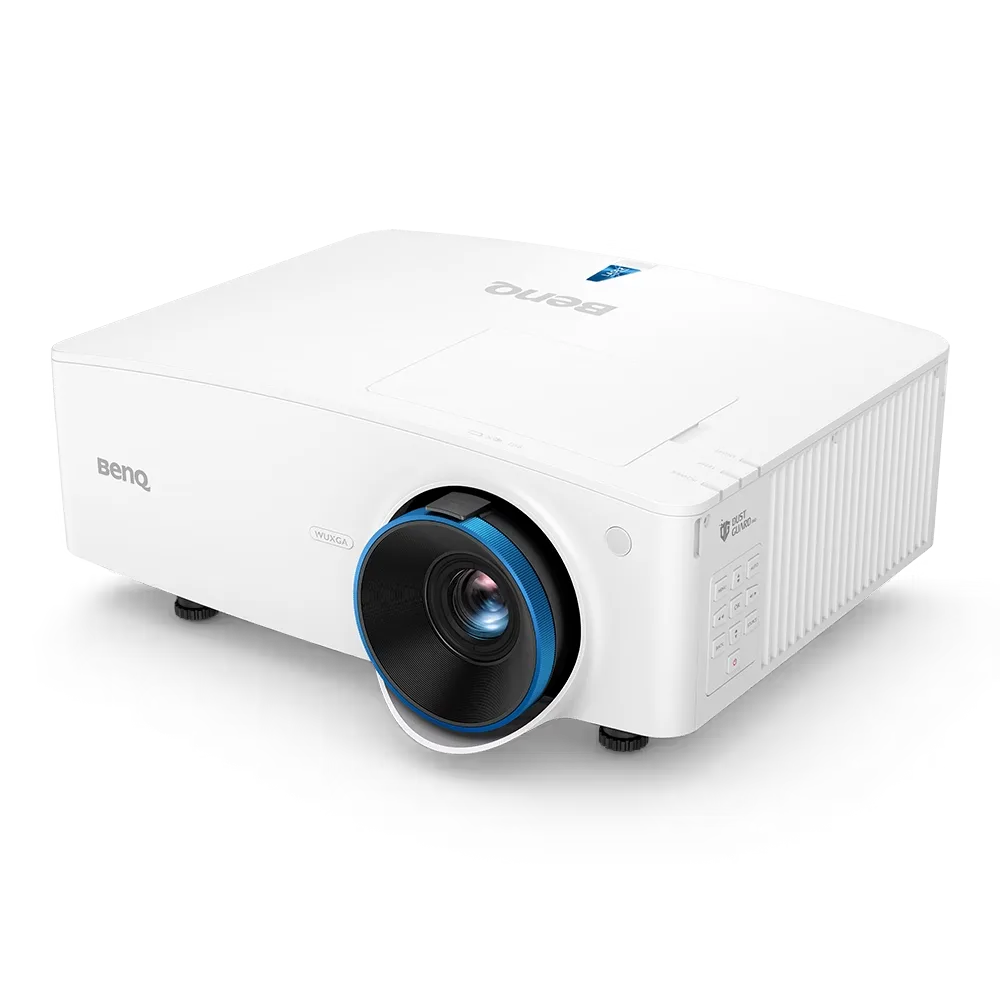
The BenQ LU935 is a professional-grade 6000 ANSI Lumens WUXGA laser projector designed for conference rooms, boardrooms, higher education, and...
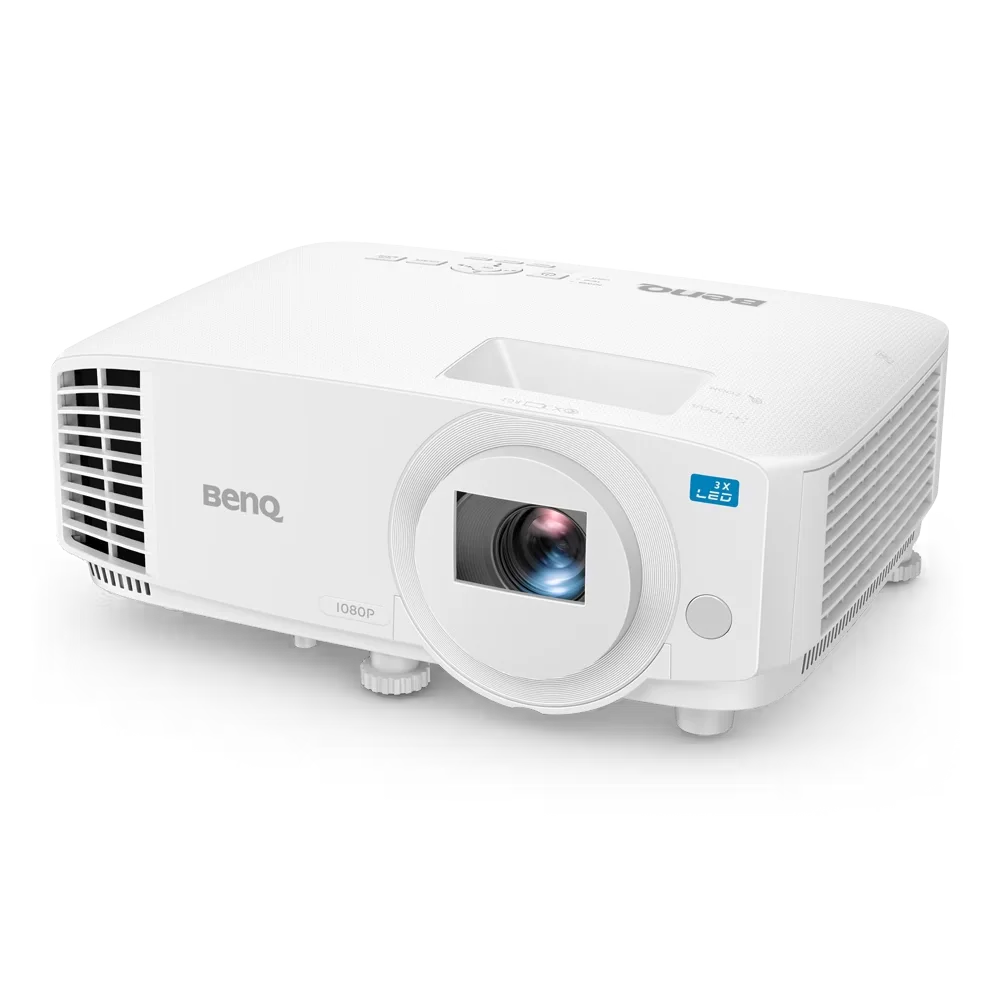
The BenQ LH500 is a Full HD LED meeting room projector designed for professional presentations and collaborative workspaces. It delivers...