October 07, 2025 Manisha Maurya
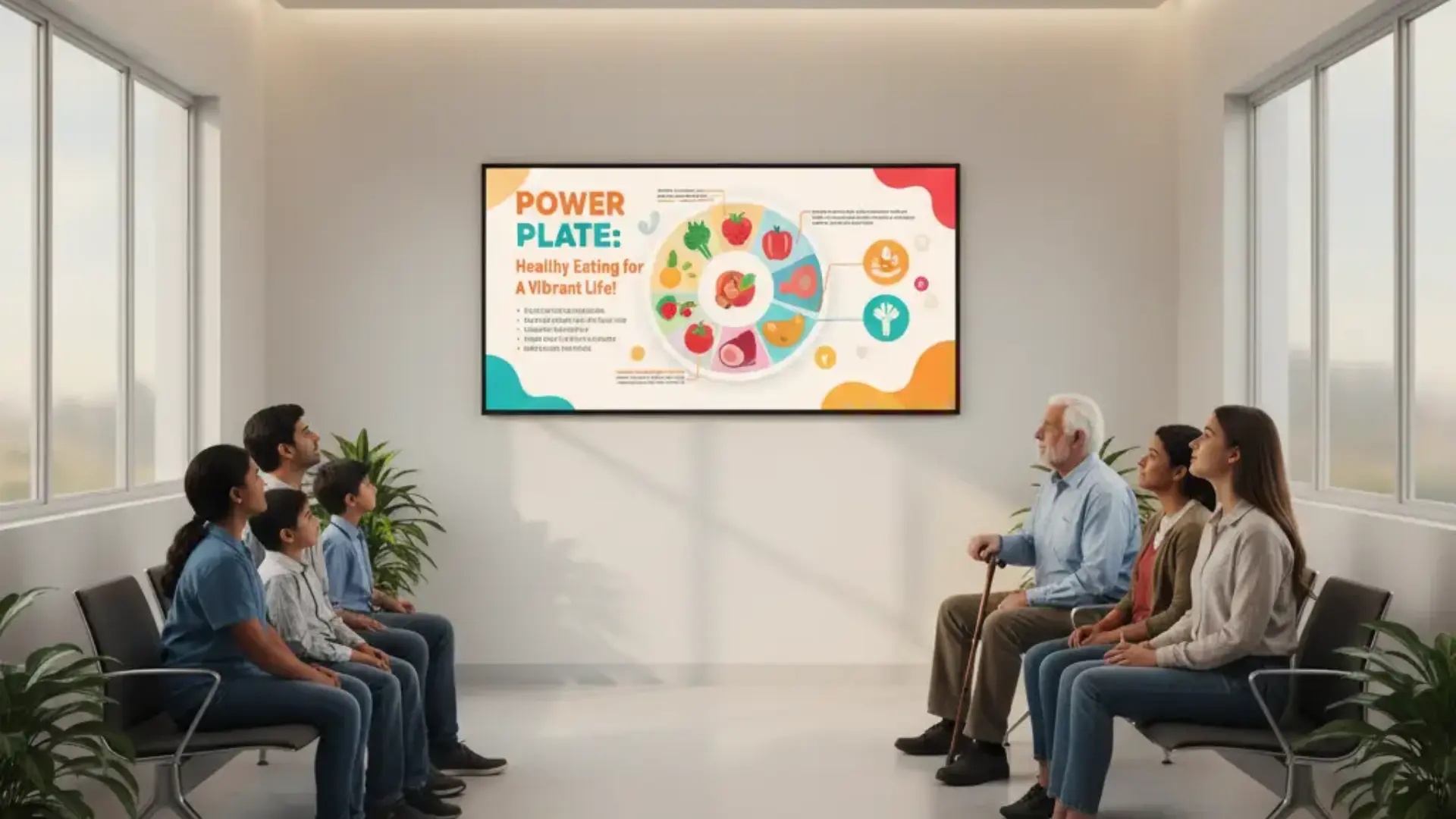
In a world saturated with information, capturing and holding the public's attention is a formidable challenge, especially when it comes to vital public health messages. Static posters and pamphlets, once the standard for health communication, often go unnoticed in today’s fast-paced environment. This is where the power of digital screens comes into play. From the bustling lobbies of hospitals to public spaces and corporate offices, these dynamic displays are transforming how we communicate, absorb, and act on health information.
The strategic use of digital screens for disseminating health tips and awareness messages is a game-changer. These platforms are not just for wayfinding or entertainment; they are a powerful, engaging tool for public health education. By leveraging vibrant visuals, short videos, and real-time updates, digital displays can cut through the noise and deliver critical health information in a way that is both memorable and impactful. This shift towards digital-first communication is helping organizations, from government bodies to private healthcare providers, to effectively promote well-being and encourage healthier behaviors in the population.
The effectiveness of digital screens for health communication is rooted in behavioral psychology and communication science. Here’s why they are so successful:
Visual Impact and Memorability: Humans are highly visual creatures. Digital screens can use high-resolution graphics, animations, and videos to convey complex information in a simple, easy-to-digest format. A short, animated video on the importance of handwashing is far more memorable and engaging than a static image with text. Research indicates that patients exposed to digital content during waits report lower stress levels and are more likely to remember the information they see.
Strategic Placement and Context: Digital displays can be strategically placed in high-traffic areas where people have "dwell time"—moments when they are waiting and are more receptive to information.
Hospital Waiting Rooms: Instead of staring at a blank wall, patients can learn about their condition, preventive care, or healthy lifestyle choices. This also reduces the perceived wait time.
Corporate Lobbies: Companies can promote a culture of wellness by displaying messages on mental health, fitness tips, and seasonal health alerts (e.g., flu shots).
Retail Stores: A pharmacy can use digital screens to highlight a specific product and provide a quick health tip about its use, like “Remember to take your vitamin D with food for better absorption.”
Real-Time, Dynamic Content: Unlike printed materials that become outdated quickly, content on a digital screen can be updated instantly from a central location. This is crucial for broadcasting urgent public health advisories, such as an outbreak alert, or for providing real-time data, such as air quality index information. The dynamic nature ensures the message is always fresh and relevant.
The versatility of digital screens for health awareness allows for a wide range of applications, each tailored to a specific goal.
Public Health Campaigns: Government bodies and non-profit organizations can use digital screens in public spaces like metro stations, bus stops, and community centers to run large-scale campaigns on topics such as:
Vaccination drives (e.g., COVID-19 or polio).
Disease prevention (e.g., dengue, malaria).
Mental health awareness and access to helplines.
Safe driving and road safety.
Hospital and Clinic Communication: Healthcare facilities are using digital displays to inform and empower patients.
Patient Education: Screens can display short videos on how to manage chronic diseases like diabetes, what to expect during a specific procedure, or the importance of a healthy diet.
Hygiene and Safety Reminders: Simple, rotating graphics can reinforce the importance of hand sanitization, mask-wearing, and social distancing, especially during a public health crisis.
Medical Q&A: An interactive screen can let patients browse a list of frequently asked questions about common health issues, reducing the burden on staff.
Workplace Wellness Programs: Companies are increasingly focused on employee well-being. Digital screens in break rooms or cafeterias can serve as a powerful tool for:
Promoting exercise challenges and healthy eating habits.
Displaying stress-management tips and mindfulness exercises.
Announcing wellness events, such as health check-up camps.
Q1: How do digital screens reduce patient anxiety in a hospital setting?
A1: Digital screens reduce anxiety by providing clear, real-time information. By displaying dynamic queue management systems, estimated wait times, and real-time appointment updates, they manage patient expectations and reduce uncertainty. Additionally, showing calming, educational content or even entertaining trivia can distract patients and make the waiting experience feel less stressful and more productive.
Q2: Can digital displays be used for emergency communication in a hospital?
A2: Yes, this is one of their most critical functions. A well-integrated digital signage system can be used to instantly override all other content to broadcast emergency alerts, such as fire warnings, lockdowns, or evacuation routes. This ensures that vital information reaches all staff, patients, and visitors simultaneously, which can be life-saving in a crisis.
Q3: Are digital screens a cost-effective solution for public health campaigns compared to traditional methods?
A3: While the initial setup cost for digital screens can be higher, they are often more cost-effective in the long run. They eliminate the recurring expenses of printing, distributing, and replacing posters. Furthermore, the ability to change content instantly and target messages to specific times or locations makes them far more efficient and impactful, providing a better return on investment.
Q4: How can health information on digital screens be made more accessible for all audiences?
A4: To ensure accessibility, content should be designed with a diverse audience in mind. This includes using large, clear fonts and high-contrast colors, incorporating simple language, and utilizing visuals that are easy to understand. Many digital signage systems also support multilingual content, allowing messages to be displayed in multiple languages to cater to different communities.
Q5: What kind of content is most effective for communicating health tips on a digital screen?
A5: The most effective content is visual, concise, and actionable. This includes:
Short, animated videos explaining concepts like proper handwashing or a healthy plate.
Infographics that break down complex data into easy-to-read charts.
Rotating tips with eye-catching images on topics like hydration or sleep hygiene.
Interactive quizzes that engage the audience and test their health knowledge in a fun way.
The move from static to dynamic communication is a fundamental step in modern healthcare. Digital screens for health communication are not merely an upgrade; they are a necessary tool for empowering individuals, improving public health outcomes, and creating smarter, more responsive healthcare environments. By leveraging the power of visual communication and real-time information, organizations can effectively educate the public, encourage healthier behaviors, and ultimately build a healthier society. The time to embrace this technology is now, transforming passive observation into active engagement for the well-being of all.
Ready to start your own health awareness campaign with a powerful digital screen system? Contact us to learn how our solutions can help you communicate your message effectively and create a lasting impact on your community.

 Interactive flat Panel
Interactive flat Panel
Interactive flat Panel
Interactive flat Panel
Interactive flat Panel
Interactive flat Panel
Interactive flat Panel
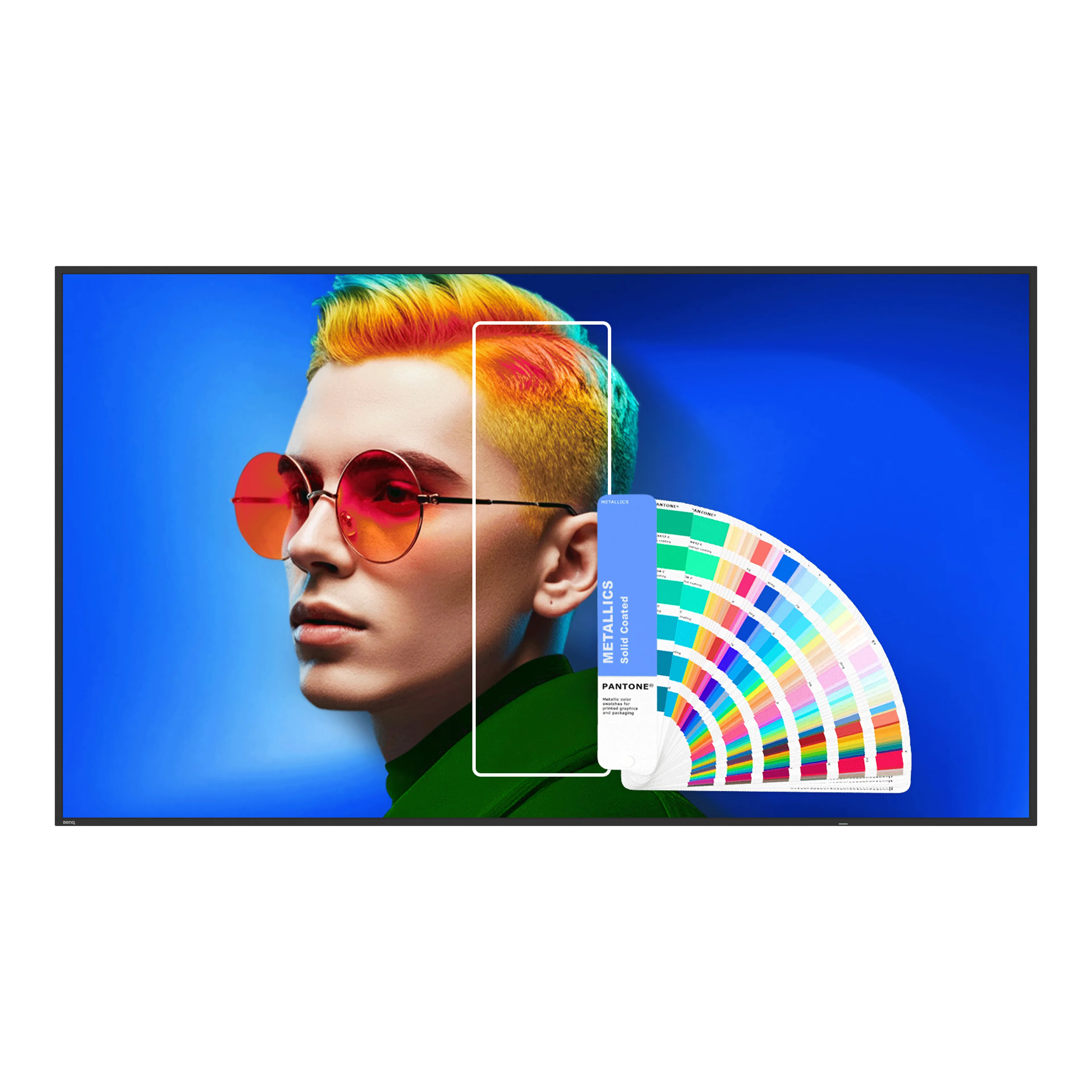
BenQ SL6504 is a 65-inch professional 4K UHD digital signage display featuring 500 nits brightness, IPS panel technology, Android 13,...
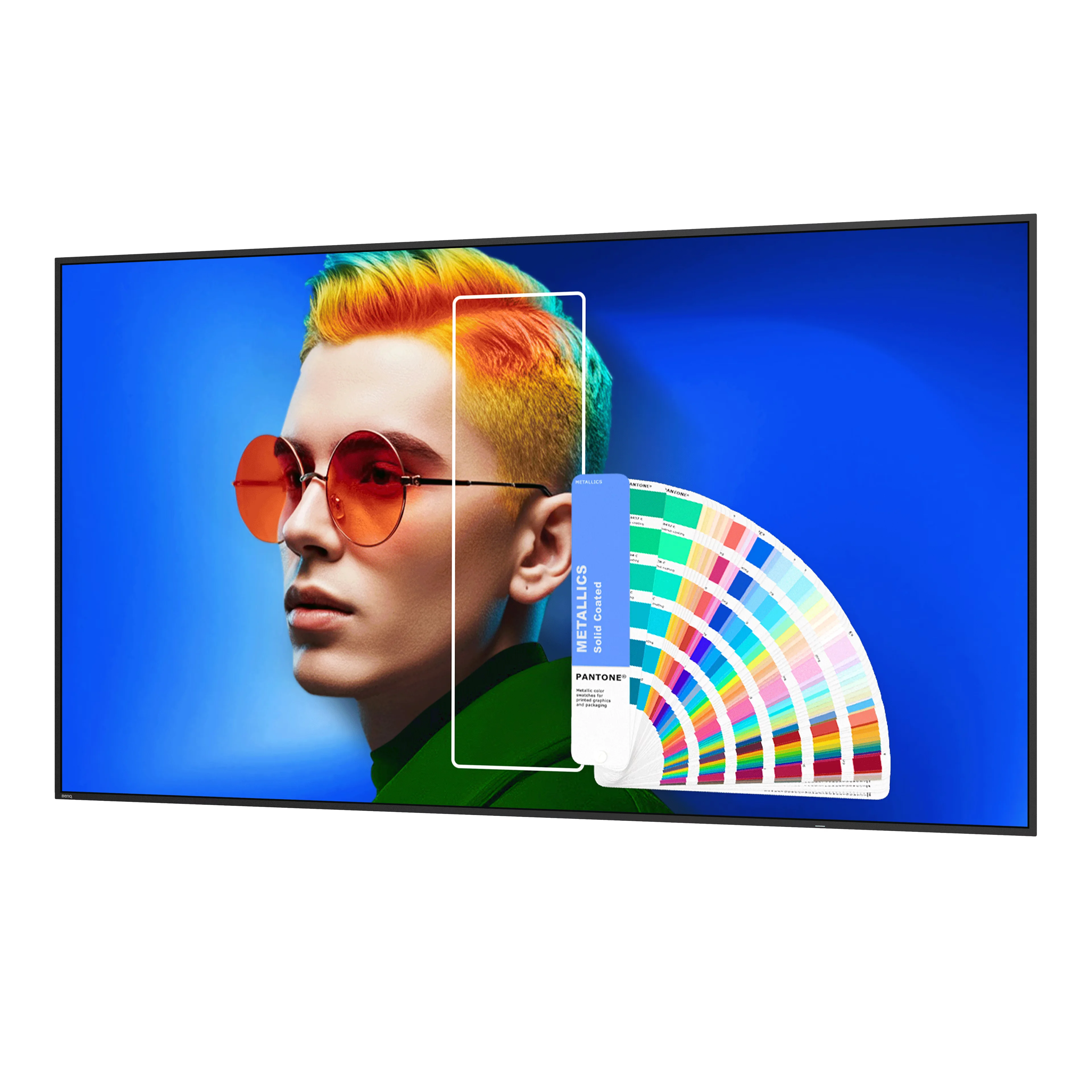
BenQ SL7504 is a 75-inch 4K UHD professional digital signage display with 500 nits brightness, Android 13, 24/7 operation, anti-glare...
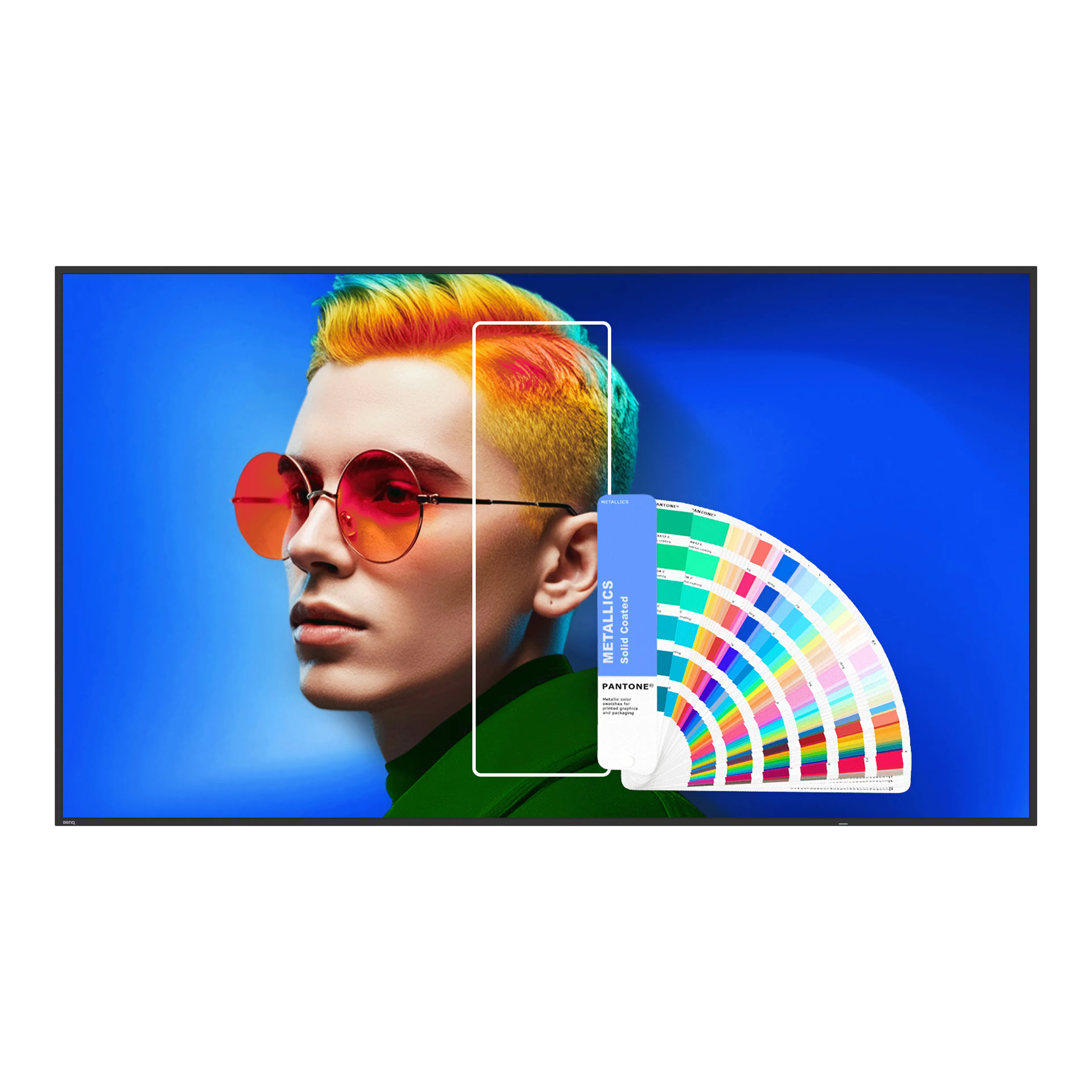
The BenQ SL8604 is an 86-inch 4K UHD professional digital signage display featuring 500 nits brightness, an IPS panel, Android...
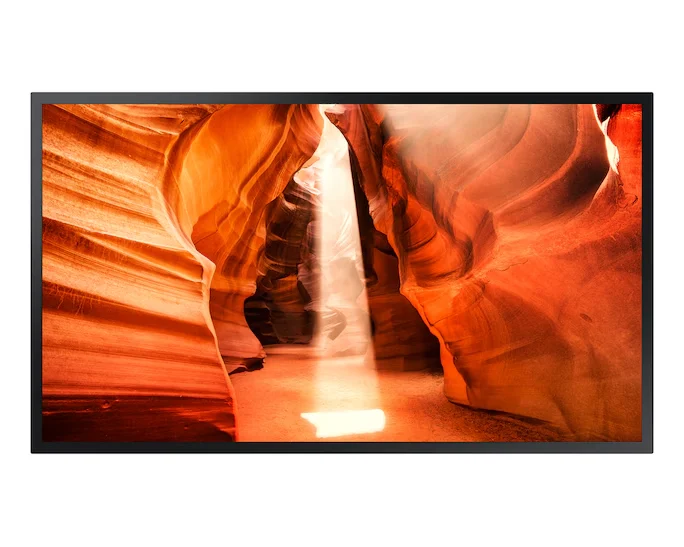
Samsung OM55N 55 Inch Semi Outdoor Digital Signage features 4,000-nit brightness, Full HD resolution, wide 178° viewing angles, and a...