March 28, 2026 Manisha Maurya
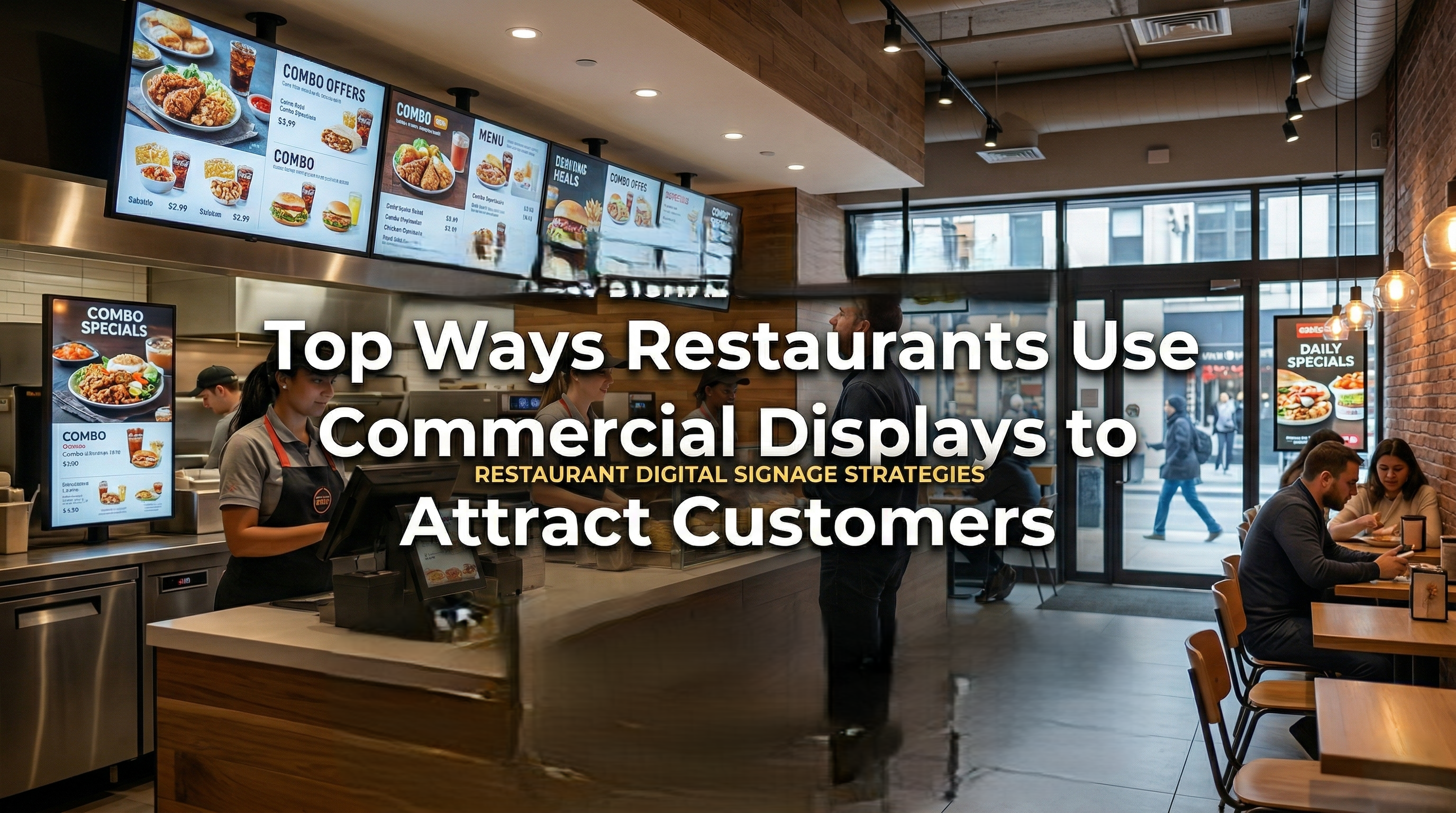
Unlike standard home TVs, commercial displays are built to run 24/7, resist grease and dust, and shine brightly even in direct sunlight. From fast-casual chains to high-end bistros, modern eateries are leveraging digital signage to stop pedestrians in their tracks, streamline ordering, and boost average ticket sizes.
Here are the top seven ways restaurants are using commercial displays to attract—and keep—more customers.
The exterior of your restaurant is your prime advertising real estate. High-brightness commercial displays placed in storefront windows act as a digital magnet for passersby.
Combat Sun Glare: Commercial window displays feature ultra-high brightness (often 2500+ nits), ensuring your content remains visible even in direct afternoon sunlight.
Dynamic Visuals: A high-definition, slow-motion video of a sizzling steak or a steaming cup of coffee is infinitely more appetizing than a faded paper poster.
Dayparting: Displays can automatically switch from showing breakfast pastries in the morning to happy hour cocktails in the late afternoon.
Digital menu boards are the most common and effective use of restaurant digital signage. They do much more than just list prices; they actively guide the customer's purchasing decisions.
Easy Updates: Say goodbye to printing costs. Managers can update prices, remove sold-out items, or add new dishes instantly via cloud-based software.
Upselling: High-quality animations can draw the eye to high-margin items, meal combos, or add-ons, naturally increasing the average order value.
Compliance: Digital boards make it easy to display mandatory nutritional information and calorie counts clearly and beautifully.
Scarcity drives action. Commercial displays are the perfect medium for promoting Limited-Time Offers (LTOs) and daily specials that urge customers to buy now.
Because digital content grabs attention faster than static imagery, deploying a bold, moving graphic for a "Weekend Only Burger" or a "Holiday Drink" ensures every customer in line knows about your special before they reach the register.
Long wait times can lead to customer frustration and walk-outs. Commercial screens placed in waiting areas or lobbies transform a tedious wait into an engaging experience.
Restaurants use these displays to show:
Behind-the-scenes footage of the kitchen.
Trivia, news, or local sports updates.
Profiles of the chef or local suppliers to build brand connection.
Perceived wait times drop significantly when customers are visually entertained.
Interactive commercial displays—specifically self-ordering kiosks—are revolutionizing the fast-casual dining sector. They attract a modern, tech-savvy demographic that values speed and customization.
Shorter Lines: Kiosks bust queues during peak lunch rushes.
Accurate Orders: Customers input their own modifications, reducing kitchen errors.
Consistent Upselling: A kiosk never forgets to ask, "Would you like to add a drink to that?"
People trust other people. Integrating your social media feeds or online reviews into your digital signage builds immediate trust with new customers.
By dedicating a screen to rotating Yelp or Google reviews, or pulling in Instagram posts where users have tagged your restaurant, you create a vibrant, community-driven atmosphere that validates a customer's choice to eat with you.
For fine dining and experiential restaurants, the atmosphere is just as important as the food. Commercial video walls (multiple screens tiled together) can completely transform the mood of a space.
Instead of traditional art, a seafood restaurant can display high-definition underwater ocean scenes. A sports bar can create an unmissable gameday experience with a massive, seamless display. This visual ambiance turns a simple meal into an unforgettable event, driving repeat business.
Investing in restaurant commercial displays is no longer just a futuristic trend—it is a baseline requirement for standing out in a crowded market. Whether you are using ultra-bright window displays to lure in foot traffic or deploying digital menu boards to increase your average check size, digital signage offers a fast, measurable return on investment.
By upgrading your visual communication, you not only attract more customers but also provide them with a modern, seamless, and engaging dining experience.
What is the difference between a commercial display and a regular TV?
Commercial displays are built for 24/7 continuous use, have higher brightness levels to combat glare, feature durable hardware to withstand heat and grease, and come with commercial warranties. Regular consumer TVs are only meant for a few hours of use per day and often void their warranty if used in a business setting.
Do digital menu boards actually increase restaurant sales?
Yes. Studies consistently show that digital menu boards increase sales by an average of 3% to 5% (and sometimes higher) by effectively promoting high-margin items and prompting customers with automated upsells.
How hard is it to update the content on restaurant digital signage?
It is very easy. Most modern commercial displays utilize cloud-based Content Management Systems (CMS). This allows restaurant managers or marketing teams to log into a web portal from anywhere and update menus, prices, and videos instantly across one or hundreds of locations.
Can I use a commercial display outdoors?
Yes, but you need a specifically rated outdoor commercial display. These displays are built with IP-rated enclosures to protect against rain, snow, dust, and extreme temperatures, and they feature ultra-high brightness so they can be read in direct sunlight.
This guide was compiled by our team of commercial AV and digital signage experts, who have spent over a decade helping hospitality businesses design, install, and optimize display networks. We focus on data-driven strategies that deliver measurable ROI for restaurant owners.


 Interactive flat Panel
Interactive flat Panel
Interactive flat Panel
Interactive flat Panel
Interactive flat Panel
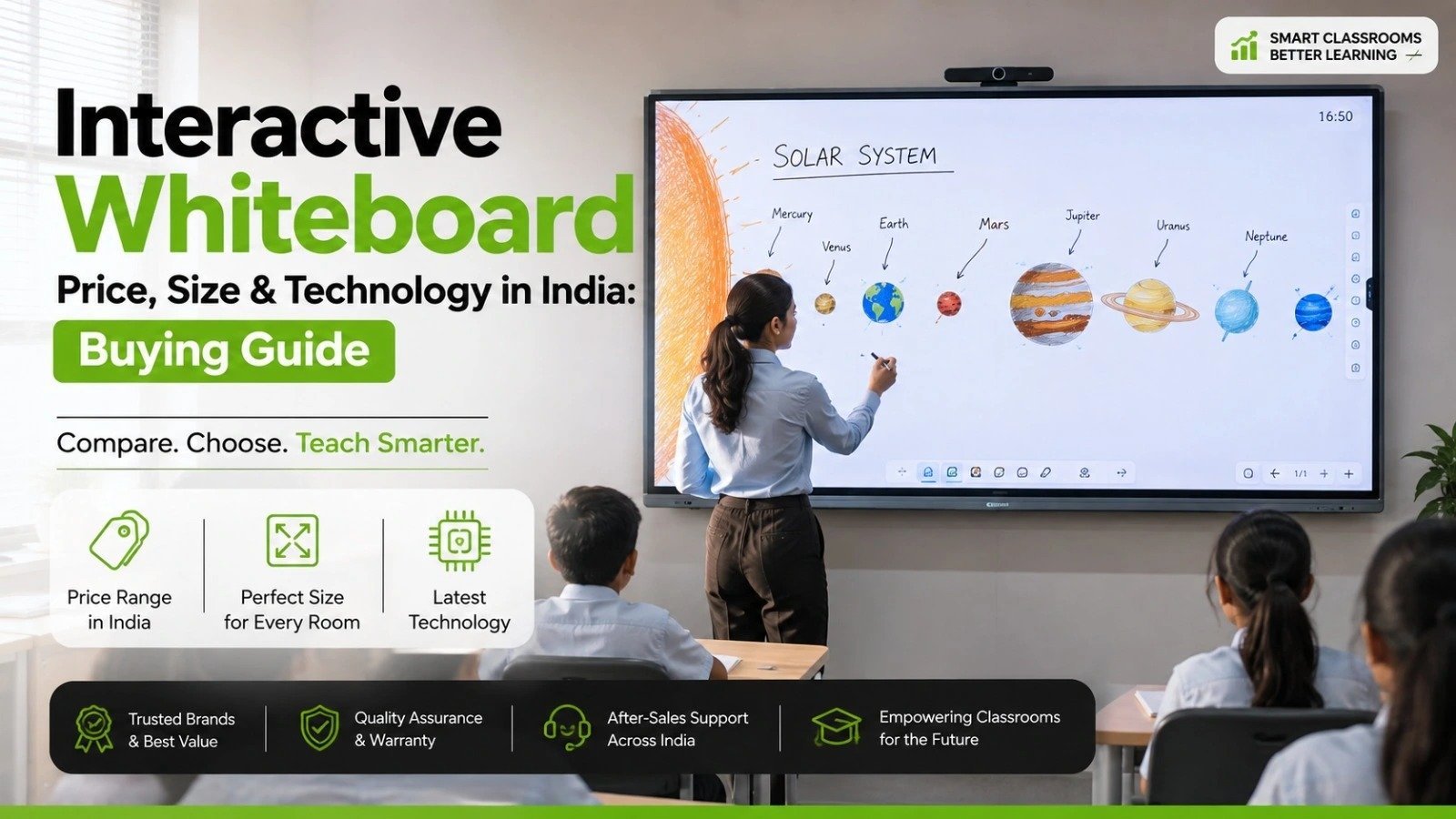 Interactive flat Panel
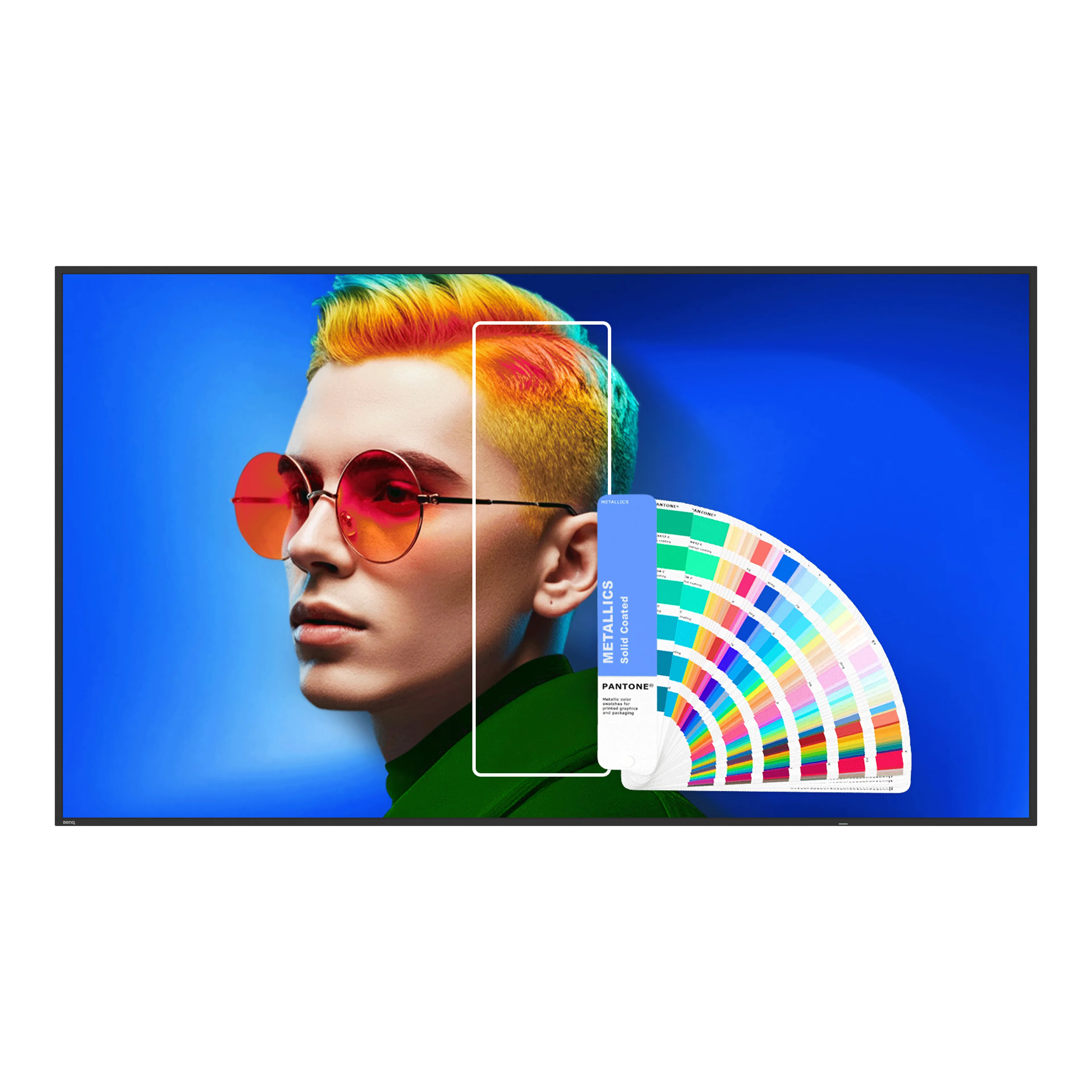
BenQ SL6504 is a 65-inch professional 4K UHD digital signage display featuring 500 nits brightness, IPS panel technology, Android 13,...
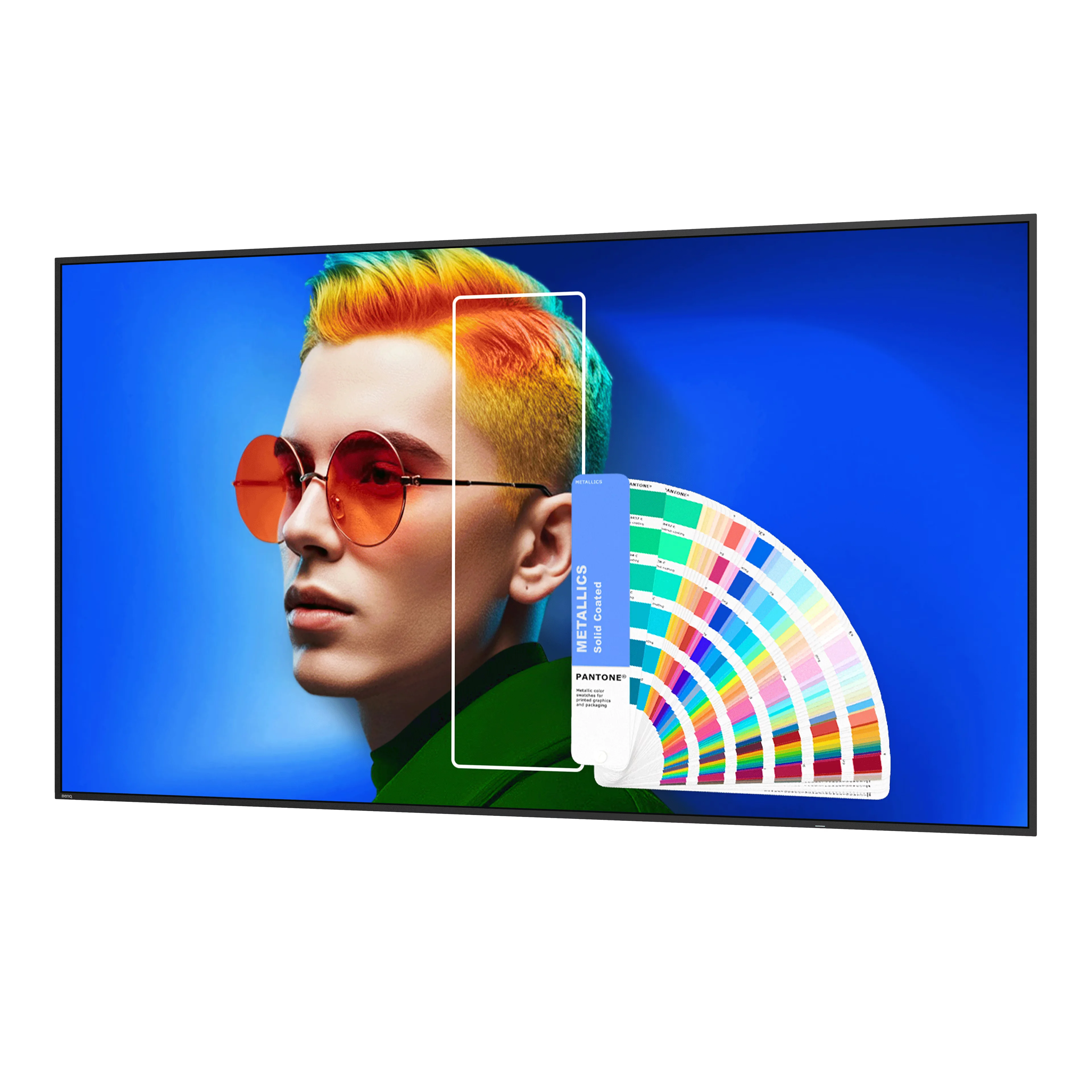
BenQ SL7504 is a 75-inch 4K UHD professional digital signage display with 500 nits brightness, Android 13, 24/7 operation, anti-glare...
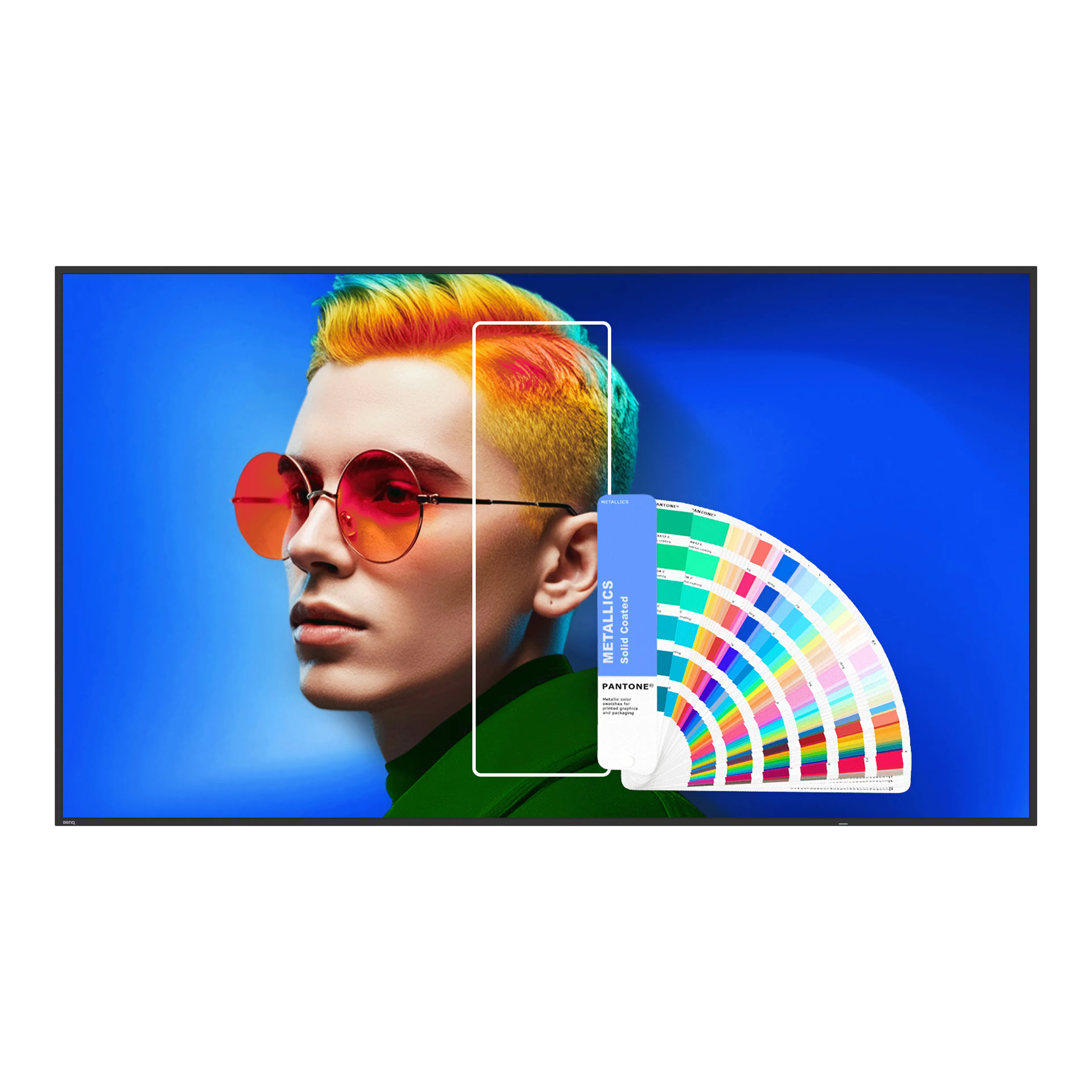
The BenQ SL8604 is an 86-inch 4K UHD professional digital signage display featuring 500 nits brightness, an IPS panel, Android...
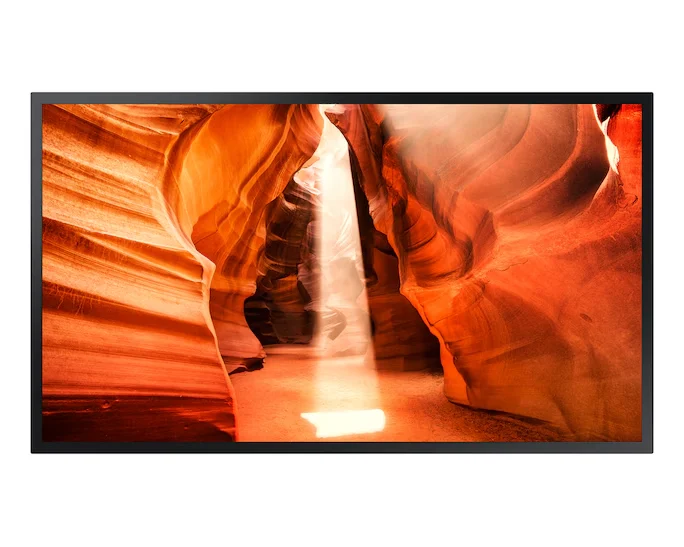
Samsung OM55N 55 Inch Semi Outdoor Digital Signage features 4,000-nit brightness, Full HD resolution, wide 178° viewing angles, and a...